← Lancaster Fulton Theatre
Fulton Theatre
A historic stage on the site of the colonial jail
Lancaster, Pennsylvania
The Fulton Theatre in Lancaster opened in 1852 partly on the foundations of the colonial jail where the Paxton Boys killed Conestoga people in 1763, and was restored as a working theater from 1964.
What do we know about Fulton Theatre?
The theater's ghost stories come mainly from the theater itself and from anonymous actors and crew. Two traceable accounts were found: a former staff director's description of a woman who vanished in the rehearsal hall (2013) and a TV host's sighting of a figure during a 2021 broadcast investigation that otherwise captured nothing clear.

Our rating of the reports about Fulton Theatre: Documented Accounts. At least one traceable published or first-hand account of an unexplained experience. We check that the reports exist, not the supernatural. The rating describes the evidence for the reports, not whether the place is haunted.
- Reported accounts
- 3
- Counted for the rating
- 2
- Research sources
- 8
Counted for the rating: independent accounts we could trace to a witness. Retellings of the same story count once, and staff passing on what visitors said aren’t counted. How we count
Reported experiences don’t establish a supernatural cause.
Read our evidence assessment →The hauntings
Accounts, encounters and stories associated with Fulton Theatre.

What has been reported?
- Apparitions
- Voices
- Moving objects
Phenomena described in accounts associated with this location — not independently verified events.
Reported experiences
3 published and reported accounts, each assessed by its source.
Account 01 · October 28, 2013 · 2 versions
BroadwayWorld, 2013
The theater's own site says actors and stagehands have seen a woman in a white dress near an old spiral staircase who gave her name as "Marie" (linked by researchers to the actress Marie Cahill), that a renovation carpenter fled after a man in a straw…
- Apparitions
- Voices
- Moving objects
No traceable witnessReported by Unnamed actors, stagehands and staff, per the Fulton TheatreNote: No witness is named or dated; these stories come from the theater itself and count as one origin.
Read full account ›
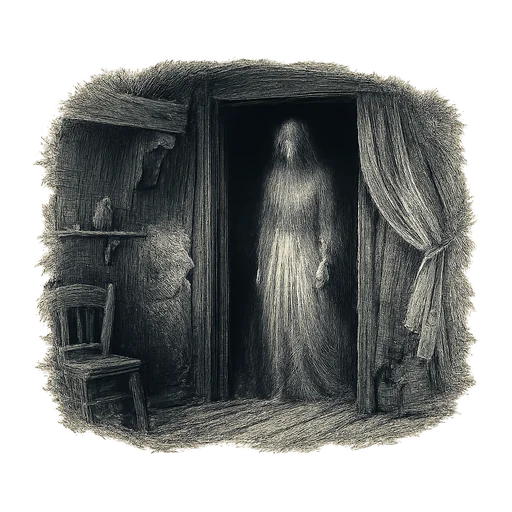
The theater's own site says actors and stagehands have seen a woman in a white dress near an old spiral staircase who gave her name as "Marie" (linked by researchers to the actress Marie Cahill), that a renovation carpenter fled after a man in a straw hat vanished before him, and that a professor running spotlights saw an older man in the closed gallery.[4]
A 2013 roundup repeats further stories from unnamed actors and crew: a mist moving down the center of the auditorium, tools and tape tossed from the gallery, and whistling and clapping backstage.[7]
Note: No witnesses named; the article notes the storytellers' comments do not necessarily reflect their beliefs.
Account 02 · October 28, 2013
Former Fulton staff member, 2013
A former employee of the theater said that while directing in its rehearsal hall with an assistant, a red-haired woman ran past saying she was late and was gone when they turned to look for her.[7]
- Apparitions
Published accountReported by Former Fulton staff member (BroadwayWorld, 2013)Read full account ›
A former employee of the theater said that while directing in its rehearsal hall with an assistant, a red-haired woman ran past saying she was late and was gone when they turned to look for her.[7]
Account 03 · May 13, 2021
Jack Osbourne, 2021
During a Portals to Hell investigation, host Jack Osbourne reported seeing a figure with long blond hair on the fourth floor, and the hosts heard rattling backstage and rumbling in the tunnels; the summary says the investigation was otherwise uneventful, with no clear evidence.[8]
- Apparitions
- Voices
Published accountReported by Jack Osbourne, Portals to Hell (via Higgypop, 2021)Note: Known only from a second-hand summary of the TV episode.
Read full account ›
During a Portals to Hell investigation, host Jack Osbourne reported seeing a figure with long blond hair on the fourth floor, and the hosts heard rattling backstage and rumbling in the tunnels; the summary says the investigation was otherwise uneventful, with no clear evidence.[8]
Before you go

Planning a visit?
Open to visitors
Parts of the inside are open to the public.
Access details ›
A working nonprofit theater: the public sees the interior by buying tickets to performances. The theater also offers paid building tours by request for groups of 10 or more. Its own site tells some ghost stories but does not sell ghost tours.
Entry
Paid entry
Access last checked November 16, 2026. Confirm times and prices before you travel.
The history of Fulton Theatre
The Fulton Theatre in Lancaster opened in 1852 partly on the foundations of the colonial jail where the Paxton Boys killed Conestoga people in 1763, and was restored as a working theater from 1964. Its own site tells of a woman in white called Marie and other figures; a former staff director and a TV ghost-hunting crew have described sightings. You can visit by attending a show or booking a group tour.
- Established
- 1852
- Also known as
- Fulton Opera House
The jail beneath the stage
The Fulton stands on the site of Lancaster's colonial jail; part of its foundation and its back wall are the old prison's limestone. In December 1763 a vigilante group known as the Paxton Boys, having already killed six people at Conestoga Town, broke into the Lancaster workhouse and killed the fourteen or so Conestoga people who had been placed there for their safety. No one was ever arrested. The killings are among the worst events in Pennsylvania's colonial history and are part of this site's story in their own right.
The theater also records that two women who had escaped slavery were held in the jail and quietly released by the sheriff.
Fulton Hall and the opera house
In 1850 Peter Eberman and Christopher Hager bought the old prison, and Hager built a hall partly on its foundations, designed by Samuel Sloan and named for Robert Fulton. It opened on October 14, 1852. It served as the county courthouse in 1853–54 and as an armory during the Civil War, and took in walking wounded after Gettysburg. In 1873 owner Blasius Yecker had designer Edwin Forrest Durang remodel it as the Fulton Opera House, which stayed on the touring circuit until 1930.
A foundation bought the building in 1964 and restored it; it became a National Historic Landmark in 1969 and had a major renovation in 1995.
The stories
The theater's own site tells of a woman in white near an old spiral staircase who said her name was Marie, linked to actress Marie Cahill; a carpenter who fled after a man in a straw hat vanished; and an older man seen in the closed gallery. These come without witness names. In 2013 a former employee of the theater described a red-haired woman running past him in the rehearsal hall and vanishing. In a 2021 Portals to Hell episode, host Jack Osbourne reported seeing a figure with long blond hair on the fourth floor, though the investigation was otherwise uneventful.
Through the years
1763
Conestoga people killed at the Lancaster jail
On December 27, 1763, a vigilante group known as the Paxton Boys broke into the Lancaster workhouse on this site and killed the Conestoga people, about fourteen, who had been placed there for their protection after six others…
Read more ›
On December 27, 1763, a vigilante group known as the Paxton Boys broke into the Lancaster workhouse on this site and killed the Conestoga people, about fourteen, who had been placed there for their protection after six others were killed at Conestoga Town on December 14; none of the attackers was arrested.[1][4][5][3]
Caveat: Sources describe the building as the jail or the workhouse; the number of victims is given as about fourteen.
1873
Remodeled as the Fulton Opera House
1969
National Historic Landmark
Also recorded
The theater says two women who had escaped slavery were held in the prison pending return South and were secretly released by the sheriff, a connection recognized by a 2008 Underground Railroad designation.[4]
Caveat: From the theater's own page; the 2008 report itself was not consulted.
The research conclusion

Why it has this rating
Two traceable accounts: a former staff member (2013) and TV host Jack Osbourne on Portals to Hell (2021) both described seeing figures, but not the same one. The theater's own stories name no witnesses. The 1763 killing of Conestoga people on this site is documented history and is not treated as ghost material.
Read the full written assessment ›
The building's history is well recorded in its National Register/Landmark nomination, the theater's own history and LancasterHistory. The 1763 killings at the jail are documented history, not part of the ghost evidence.
The theater's ghost stories come mainly from the theater itself and from anonymous actors and crew. Two traceable accounts were found: a former staff director's description of a woman who vanished in the rehearsal hall (2013) and a TV host's sighting of a figure during a 2021 broadcast investigation that otherwise captured nothing clear.
The sources behind the story
8 research references support this entry.

1National Park Service, Historic Sites Survey (NPGallery)National Register of Historic Places Inventory–Nomination Form: Fulton Opera House Register or nomination · Reference 01
Richard Greenwood, Landmark Review Task Force, National Register of Historic Places Inventory–Nomination Form: Fulton Opera House. National Park Service, Historic Sites Survey (NPGallery), 1974-11-06.
Primary landmark nomination (NRIS 69000156). Authoritative for the 1850 purchase of the prison, Sloan's design, the October 14, 1852 opening, courthouse and Civil War uses, the 1873 remodel, use as a touring theater to 1930 and the 1964 restoration. Mentions the 1763 killings only in a sentence. Nothing on ghosts.
Accessed November 16, 2026.
2Fulton TheatreBuilding History Official or site history · Reference 02
Building History. Fulton Theatre.
Theater's own history. Confirms the jail foundation and back wall, the 1852 opening as Fulton Hall, the 1873 remodel (reopening October 2, 1873), the 1969 landmark designation and the 1995 renovation. No ghost material.
Accessed November 16, 2026.
3WHYYSteeped in tragic history, Lancaster theater has played many roles Television or radio · Reference 03
Peter Crimmins, Steeped in tragic history, Lancaster theater has played many roles. WHYY, 2014-07-23.
Public media report on Leslie Stainton's history of the Fulton, 'Staging Ground'. Describes the jail's limestone walls in the building and the 1763 killings of Conestoga people sheltered there. No ghost stories.
Accessed November 16, 2026.
4Fulton TheatreSecrets of the Theatre Official or site history · Reference 04
Secrets of the Theatre. Fulton Theatre.
Theater's own page of stories: the woman in white ('Marie'), the 'Whistler' and the gallery grandfather, all without witness names, plus history (Underground Railroad episode, the 1763 killings, Civil War use). Counts as the theater's single origin for ghost stories.
Accessed November 16, 2026.
5Susquehanna National Heritage AreaRiverRoots: Pontiac's War & the Paxton Boys Website · Reference 05
RiverRoots: Pontiac's War & the Paxton Boys. Susquehanna National Heritage Area.
Heritage-area history blog. Gives December 14, 1763 (six killed at Conestoga Town) and December 27, 1763 (about fourteen killed at the Lancaster workhouse) and that no one was arrested. Undated and unsigned; one phrase about the victims' sex conflicts with other accounts and is not used.
Accessed November 16, 2026.
6LancasterHistoryThe Grand Old Lady of Prince Street Website · Reference 06
Emily Miller, The Grand Old Lady of Prince Street. LancasterHistory, 2021-06-08.
County historical society article. Confirms the old prison property, the 1852 opening, Yecker's ownership and the 1873 remodel (but gives the reopening as December 2, 1873), the 1963 foundation, 1969 landmark status and 1995 renovation. No ghost material.
Accessed November 16, 2026.
7BroadwayWorldThe Haunted – and Not So Haunted – Theatres of Central Pennsylvania Website · Reference 07
Marakay Rogers, The Haunted – and Not So Haunted – Theatres of Central Pennsylvania. BroadwayWorld, 2013-10-28.
Theater-news roundup. Gives a first-person account from a former theater employee (then working at another local theater) and repeats other stories from unnamed actors and crew. Cited as where these accounts were published.
Accessed November 16, 2026.
8HiggypopPortals To Hell: Fulton Theatre Website · Reference 08
Portals To Hell: Fulton Theatre. Higgypop, 2021-05-13.
Paranormal-news summary of a Portals to Hell TV episode (hosts Jack Osbourne and Katrina Weidman, with a psychic). Second-hand summary of a TV broadcast; says the investigation was largely uneventful. The episode itself was not seen.
Accessed November 16, 2026.
More haunted places
Explore nearby
Former asylum
Pennhurst State School and Hospital
Pennsylvania · 40 miles away · Tours only
Hotel
Hotel Gettysburg
Gettysburg, Pennsylvania · 51 miles away · Open to visitors
University
Pennsylvania Hall, Gettysburg College
Gettysburg, Pennsylvania · 51 miles away · Outside only
Hotel
Farnsworth House Inn
Gettysburg, Pennsylvania · 51 miles away · Open to visitors

Similar places
Also a theater · also reported: moving objects
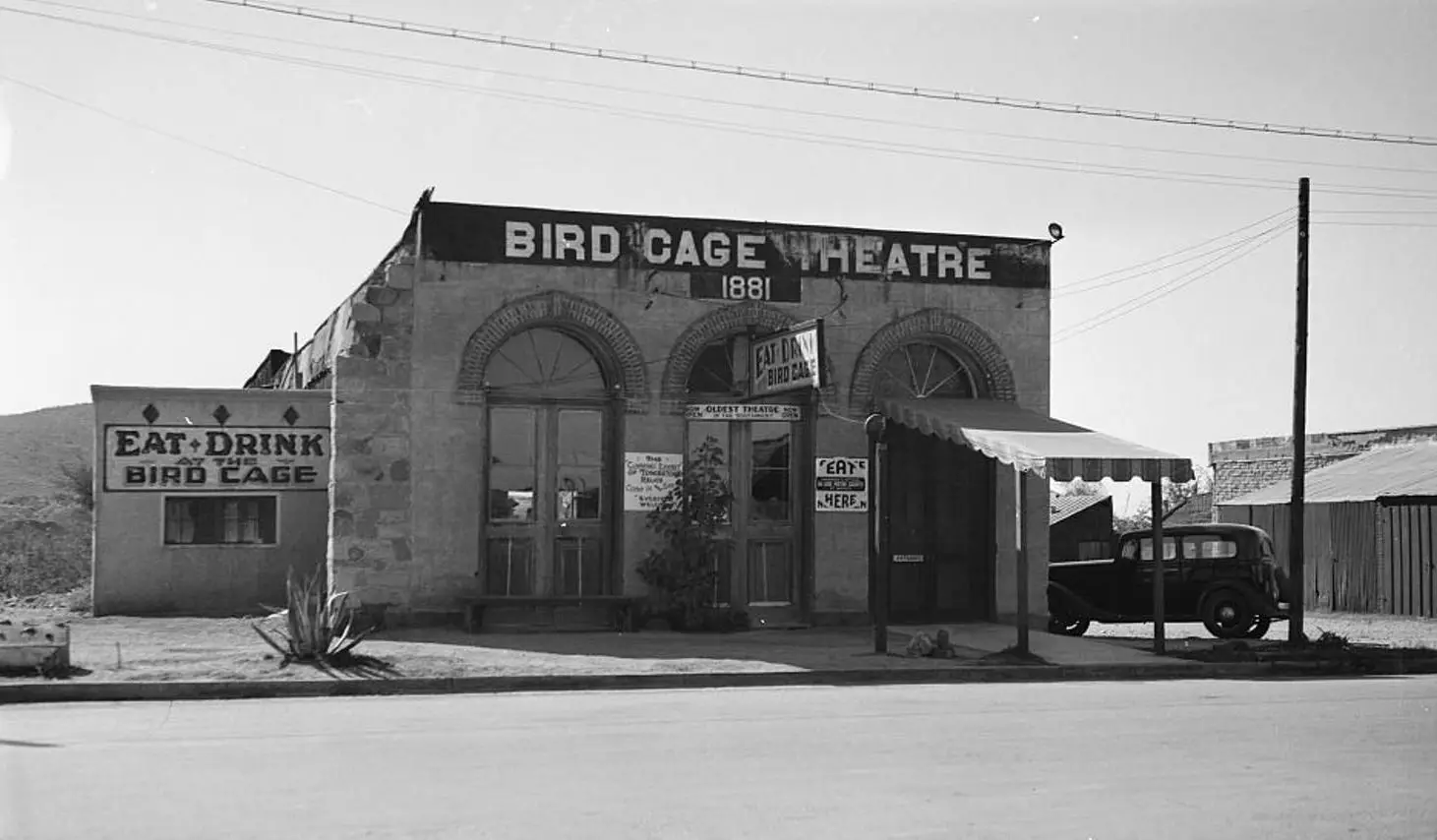
Theater · Tombstone, AZ
Bird Cage Theatre
The Bird Cage Theatre is an 1881 variety theater, saloon and dance hall on Tombstone's Allen Street, now a privately run museum.
Documented AccountsOpen to visitorsAlso a theater
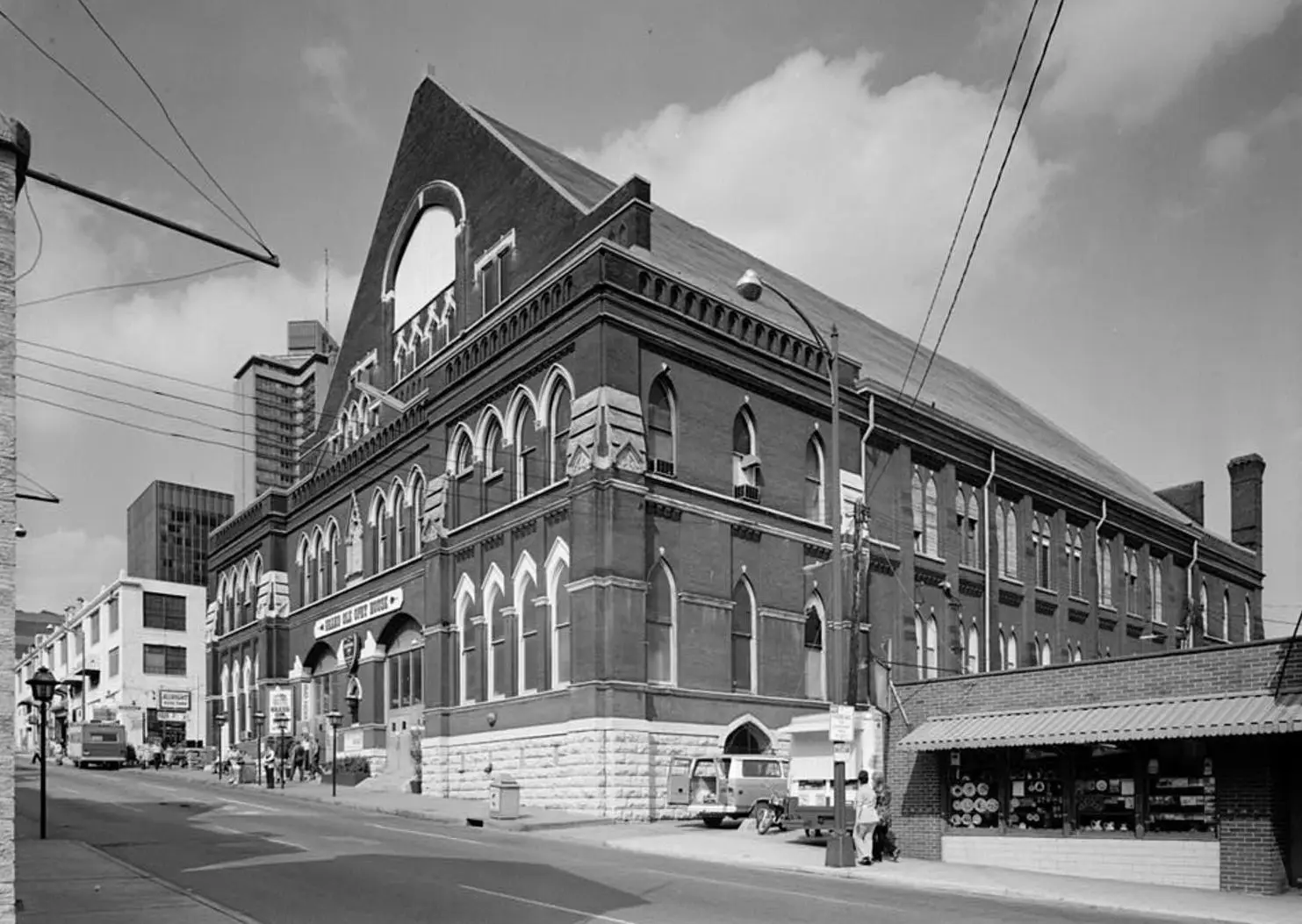
Theater · TN
Ryman Auditorium
The Ryman in Nashville opened in 1892 as the Union Gospel Tabernacle and was the Grand Ole Opry's home from 1943 to 1974.
UnverifiedOpen to visitorsAlso a theater
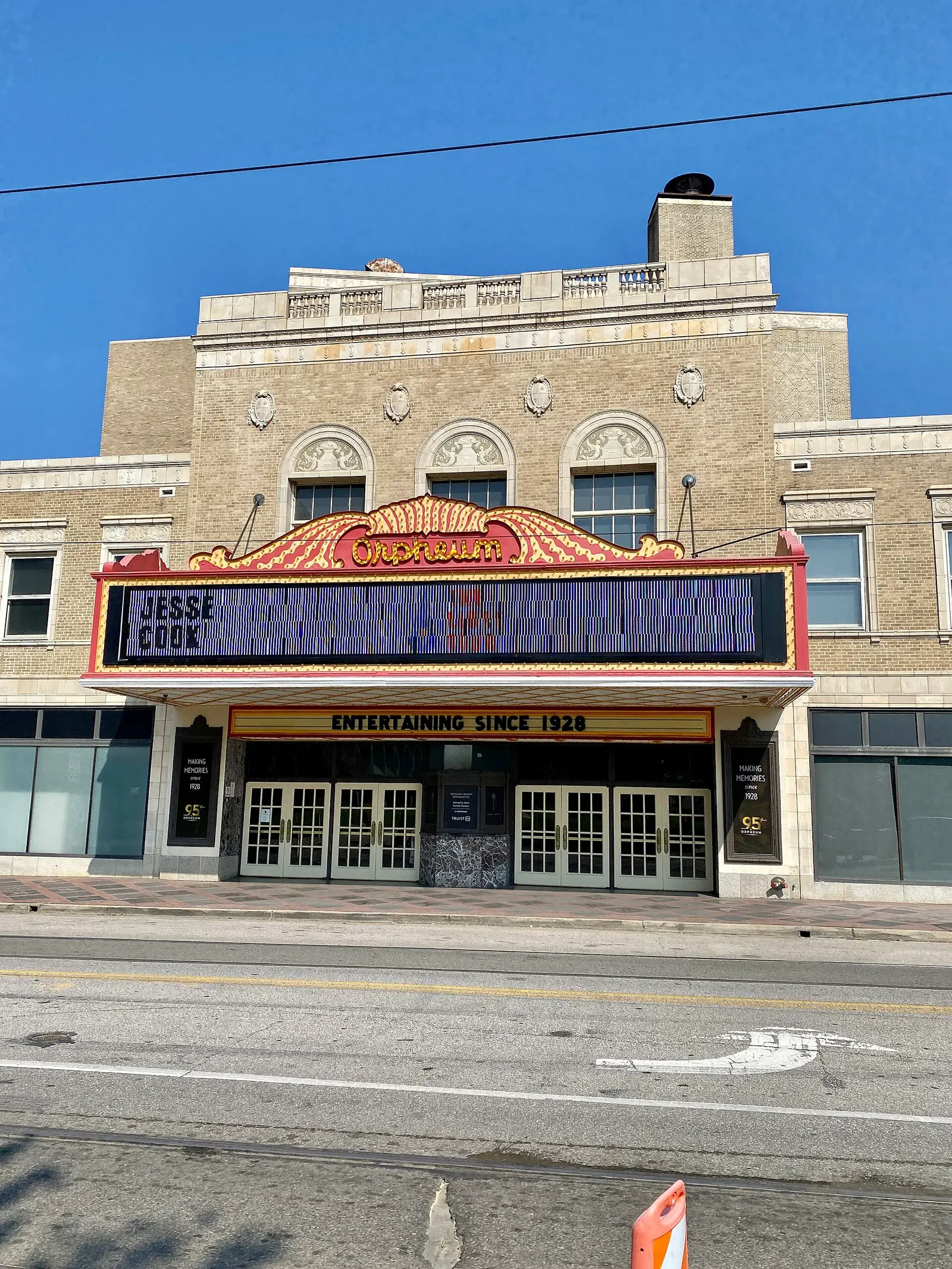
Theater · Memphis, TN
Orpheum Theatre
The Orpheum is a 1928 movie palace at Main and Beale in Memphis, built after an earlier theater on the site burned in 1923.
UnverifiedTours onlyAlso a theater · also reported: moving objects
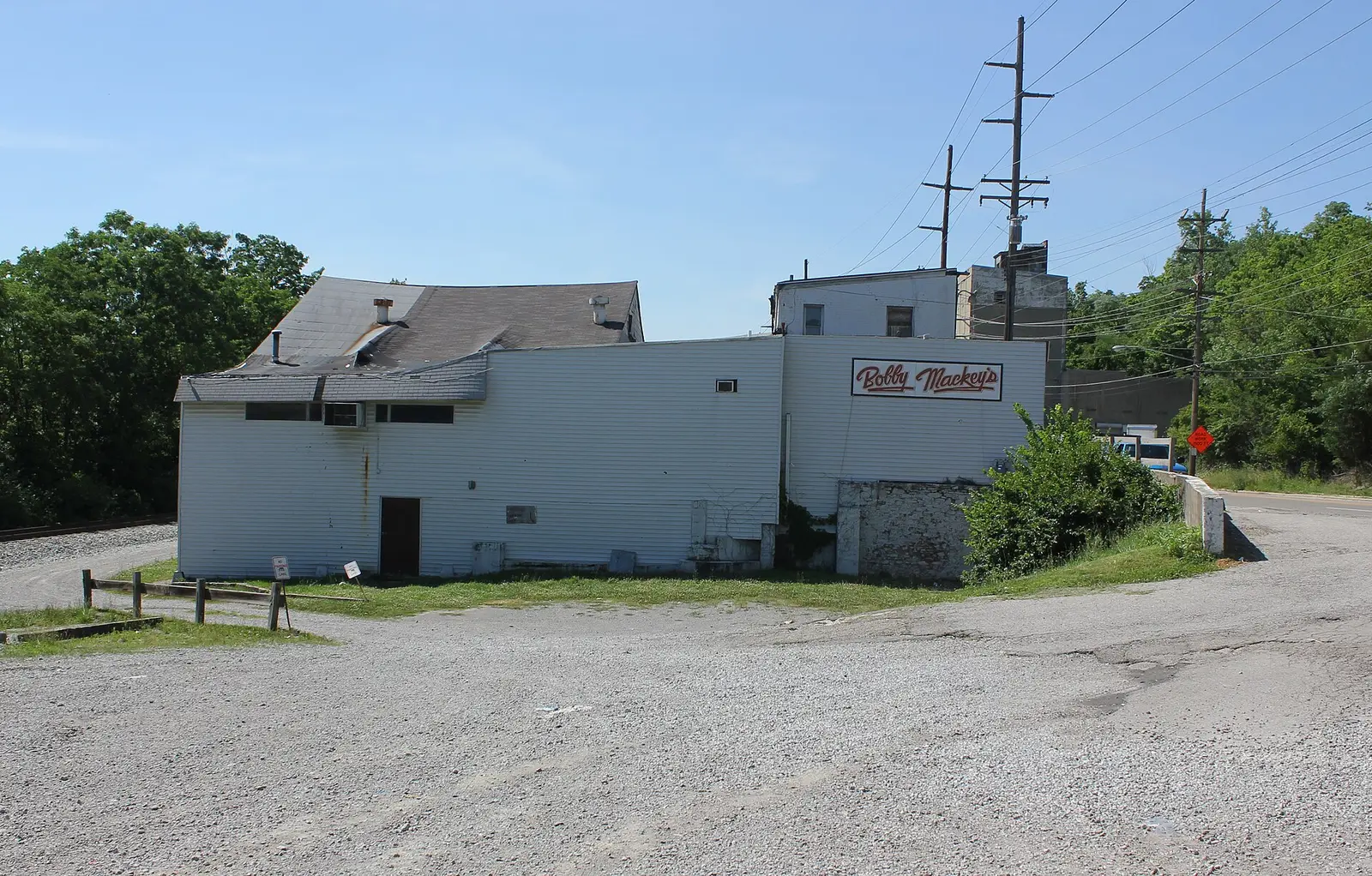
Theater · Wilder, KY
Bobby Mackey's Music World
Bobby Mackey's Music World was a country music bar in Wilder, Kentucky, opened in 1978 in a former gambling club on a slaughterhouse site.
Documented AccountsClosed