← New York Old Fort Niagara
Old Fort Niagara
The French Castle and its headless ghost
New York
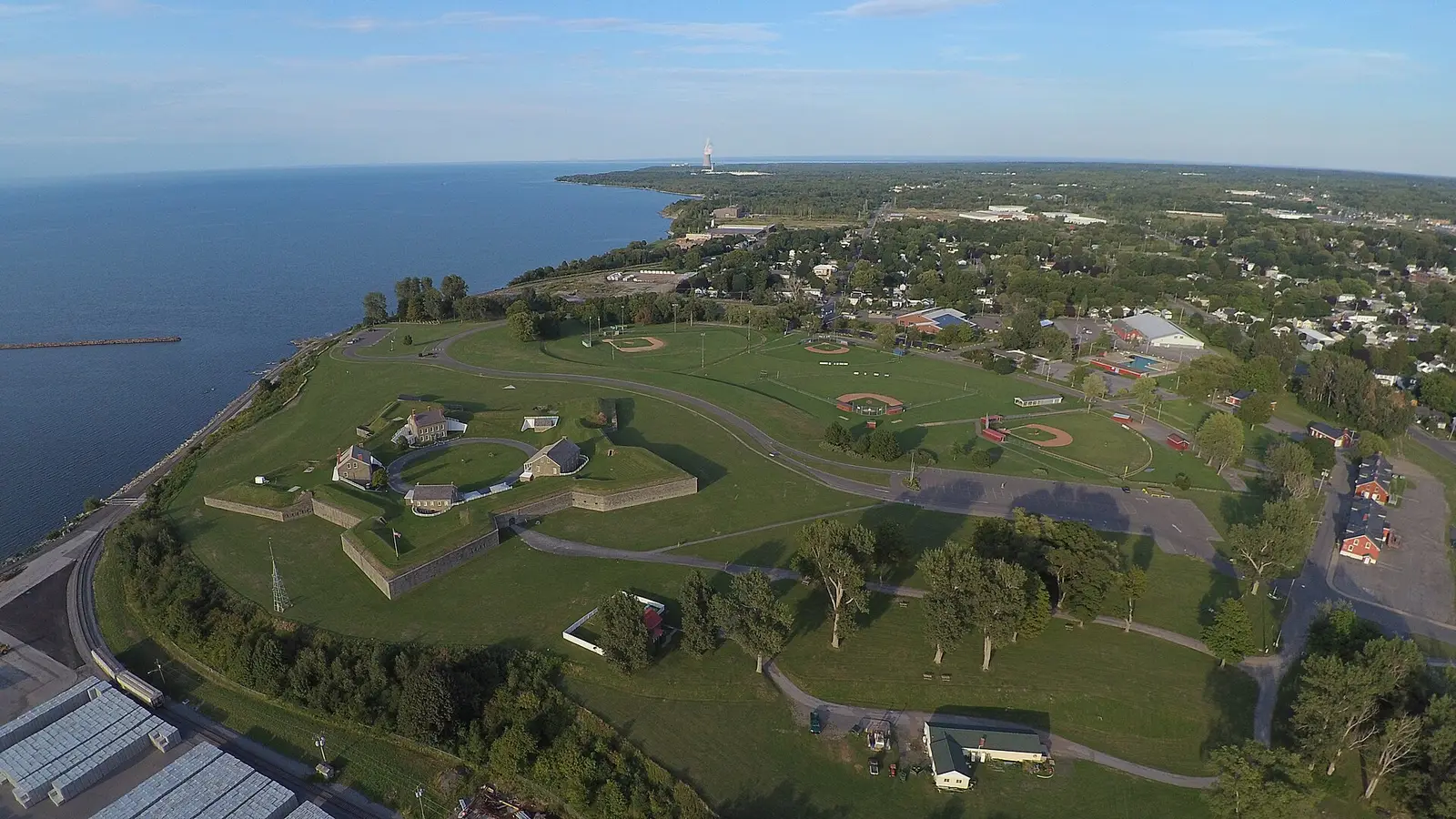
Old Fort Niagara guards the mouth of the Niagara River; its French Castle, built in 1726–27, is the oldest masonry building in the Great Lakes basin.
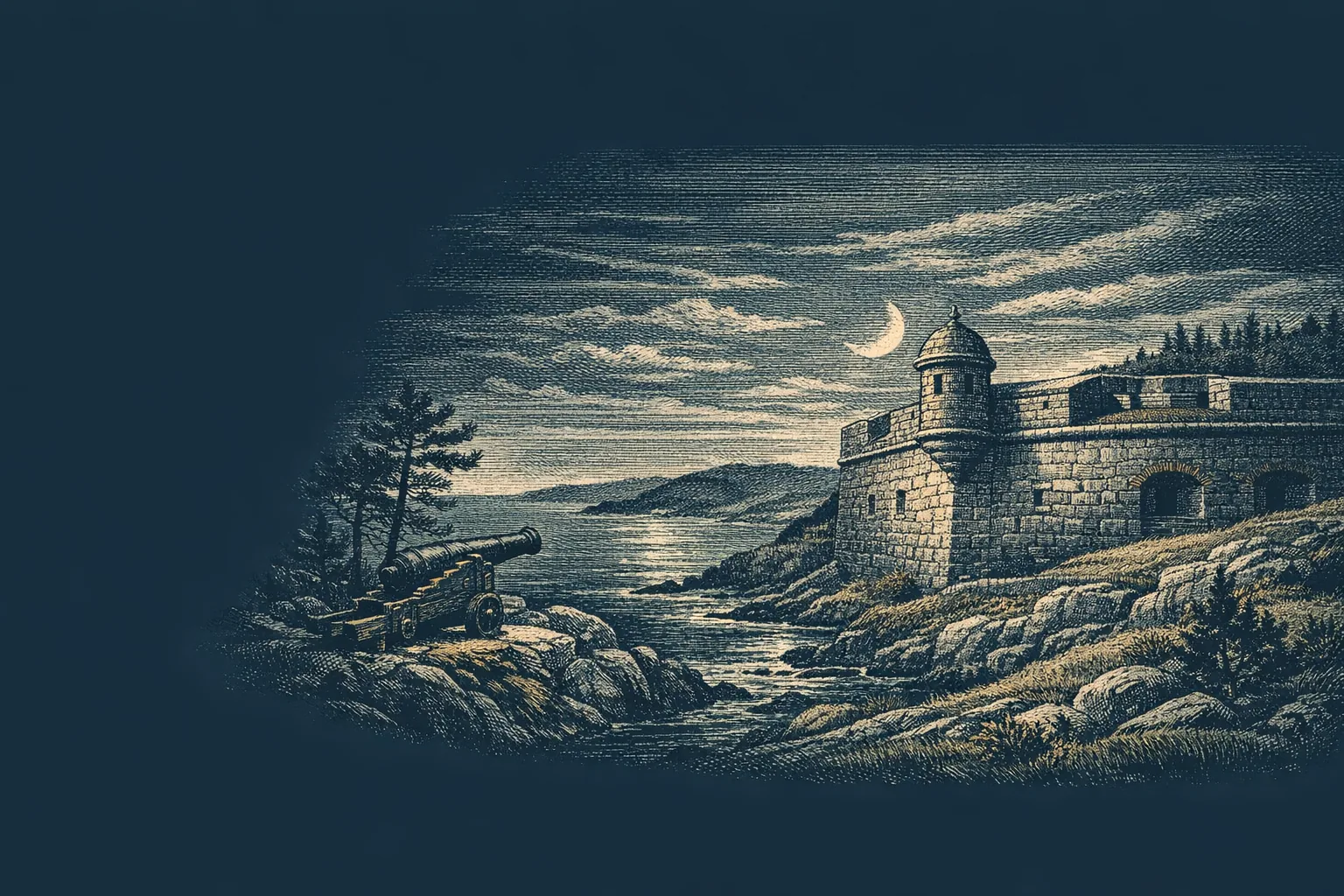
Decorative engraving of a fort.
What do we know about Old Fort Niagara?
The headless ghost is a legend: the folklorist Louis C. Jones told it in 1944 without names, and the officers named in later versions are not in any record we found. The only traceable account of an experience is the Ghost Hunters team's, who reported a shadow pacing in the French Castle and a touch on the shoulder; their recordings and general claims that staff are sometimes frightened are not counted.
Our rating of the reports about Old Fort Niagara: Documented Accounts. At least one traceable published or first-hand account of an unexplained experience. We check that the reports exist, not the supernatural. The rating describes the evidence for the reports, not whether the place is haunted.
- Reported accounts
- 2
- Counted for the rating
- 1
- Research sources
- 6
Counted for the rating: independent accounts we could trace to a witness. Retellings of the same story count once, and staff passing on what visitors said aren’t counted. How we count
Reported experiences don’t establish a supernatural cause.
Read our evidence assessment →The hauntings
Accounts, encounters and stories associated with Old Fort Niagara.

What has been reported?
- Apparitions
- Being touched
- Shadow figures
- Knocking
- Doors
- Voices
- Phantom lights

Phenomena described in accounts associated with this location — not independently verified events.
Reported experiences
2 published and reported accounts, each assessed by its source.
Account 01 · December 16, 2014
The Ghost Hunters team, 2014
In a Ghost Hunters episode on Syfy, two team members said they saw a shadow pacing back and forth in the French Castle and gave chase without finding anyone, one felt something rub his shoulder in the North Tower with no one near, and two heard…
- Being touched
- Shadow figures
- Knocking
Published accountReported by The Ghost Hunters team (Syfy)Note: A television investigation; the air date is not given on the recap page.
Read full account ›
In a Ghost Hunters episode on Syfy, two team members said they saw a shadow pacing back and forth in the French Castle and gave chase without finding anyone, one felt something rub his shoulder in the North Tower with no one near, and two heard knocking in the powder magazine.[5]
- Doors
- Voices
- Shadow figures
- Phantom lights
No traceable witnessNote: Device output and unattributed claims; not counted.
Legends & disputed stories
Stories told about the place that the records don’t confirm.

- Legend
The fort's best-known legend tells of two French officers who quarreled over a Native woman and fought a sword duel; one was beheaded and his body put into the castle well, and his headless ghost is said to rise from the well on moonlit nights in search of his head.[3][4]
What the research shows: The folklorist Louis C. Jones told it without names in 1944; later versions name the officers, but we found no record that they existed.
Before you go
Planning a visit?
Open to visitors
Parts of the inside are open to the public.
Access details ›
Museum fort run by the nonprofit Old Fort Niagara Association inside Fort Niagara State Park, with paid admission (children 5 and under free); parking is charged separately by the state park. Check the official site for hours and seasonal events.
Entry
Paid entry
Access last checked November 17, 2026. Confirm times and prices before you travel.
The history of Old Fort Niagara
Old Fort Niagara guards the mouth of the Niagara River; its French Castle, built in 1726–27, is the oldest masonry building in the Great Lakes basin. Its famous legend is a French officer beheaded in a duel whose ghost rises from the castle well, a tale the folklorist Louis C. Jones told in 1944. The Ghost Hunters TV team reported seeing a pacing shadow there. The fort is a paid museum.
- Established
- 1726–1727
- Also known as
- Fort Niagara
A house of peace that was a fortress
The point where the Niagara River meets Lake Ontario was fortified as early as 1679, when La Salle built a wooden stockade called Fort Conti; a larger fort of 1687 was abandoned after a disastrous winter. In 1726–27 the French built a stone 'chateau' that the Iroquois accepted as a trading house. It looked domestic but held troop quarters, a powder magazine, a bakery, a chapel and a well, with gun ports disguised as dormers in the attic. Now called the French Castle, it is the oldest masonry building in the Great Lakes basin.
A British siege ended with the French surrender on July 25, 1759, which ended French power in the region. In 1764 Native leaders gathered outside the walls to negotiate with Sir William Johnson. During the Revolution the fort was the base for raids on New York and Pennsylvania frontier settlements, and Britain kept it until August 1796. British troops captured it in 1813 and held it until 1815. The Old Fort Niagara Association began restoring the castle in 1926 and opened the fort as a museum in 1934.
The headless ghost
The fort's legend tells of two French officers who quarreled over a Native woman and fought a duel; one was beheaded, his body thrown down the castle well, and his ghost is said to rise from the well on moonlit nights looking for his head. The folklorist Louis C. Jones told the story, without names, in a 1944 talk to the New York State Historical Association and the New York Folklore Society. Later versions name the officers, but we found no record of them. A state park brochure from the 1980s already advertised the 'haunted' well.
Through the years
1679
Fort Conti built
The point at the mouth of the Niagara River was first fortified in 1679, when La Salle built a wooden stockade called Fort Conti; a larger fort built by Governor Denonville in 1687 was abandoned after a winter…
Read more ›
The point at the mouth of the Niagara River was first fortified in 1679, when La Salle built a wooden stockade called Fort Conti; a larger fort built by Governor Denonville in 1687 was abandoned after a winter in which most of its garrison died.[1]
1726–1727
French Castle built
In 1726–27 the French built a stone 'chateau' that the Iroquois accepted as a trading house; it held troop quarters, a powder magazine, a bakery, a chapel and a central well, with gun ports disguised as dormers. Now…
Read more ›
In 1726–27 the French built a stone 'chateau' that the Iroquois accepted as a trading house; it held troop quarters, a powder magazine, a bakery, a chapel and a central well, with gun ports disguised as dormers. Now called the French Castle, it is the oldest masonry building in the Great Lakes basin.[1]
1759
French surrender after siege
After a British siege, the French surrendered Fort Niagara on July 25, 1759, ending French control of a vast area of the Great Lakes and the Ohio and Mississippi valleys.[1]
1796
Handed to the United States
In 1764 Native leaders gathered outside the fort to negotiate with Sir William Johnson; during the Revolution the fort was the British base for raids on frontier settlements in New York and Pennsylvania, and Britain held it until August 10, 1796.[1]
1984
1984
A Fort Niagara State Park brochure reproduced in the fort's 1980s landmark nomination lists the 'haunted' well of the French Castle among the fort's attractions.[1]
The research conclusion

Why it has this rating
One account: a TV investigation team's shadow figure, touch and knocking. The headless-ghost legend traces to folklorist Louis C. Jones's 1944 talk; officers' names in later retellings are unrecorded.
Read the full written assessment ›
The fort's history, from the French building of 1726–27 through the sieges of 1759 and 1813, is documented in its National Historic Landmark nomination, which even reproduces a state park brochure calling the castle well 'haunted'.
The headless ghost is a legend: the folklorist Louis C. Jones told it in 1944 without names, and the officers named in later versions are not in any record we found. The only traceable account of an experience is the Ghost Hunters team's, who reported a shadow pacing in the French Castle and a touch on the shoulder; their recordings and general claims that staff are sometimes frightened are not counted.
The sources behind the story
6 research references support this entry.

1National Park ServiceOld Fort Niagara, National Register of Historic Places / National Historic Landmark nomination Register or nomination · Reference 01
John H. Conlin, architectural historian, Old Fort Niagara, National Register of Historic Places / National Historic Landmark nomination. National Park Service, 1985.
Nomination (prepared mid-1980s): La Salle's Fort Conti 1679 and Denonville's fort 1687; stone chateau of 1726–27 with a central well, the oldest masonry structure in the Great Lakes basin; surrender July 25, 1759; 1764 gathering with Sir William Johnson; Revolution base for 'Border Wars'; handed to American troops August 10, 1796; captured by the British 1813, returned 1815; Old Fort Niagara Association restoration from 1926 and museum opening 1934. Reproduces a state park brochure mentioning the 'haunted' well of the castle.
Accessed November 17, 2026.
2Old Fort Niagara AssociationOld Fort Niagara (home page and tickets) Official or site history · Reference 02
Old Fort Niagara (home page and tickets). Old Fort Niagara Association.
Official site: run by the nonprofit Old Fort Niagara Association since 1927; adult and child admission prices, children 5 and under free; parking charged by Fort Niagara State Park; address 102 Morrow Plaza, Youngstown.
Accessed November 17, 2026.
3The New York Times (republished by WRAL.com)The Ghosts of New York's Past Newspaper · Reference 03
Niraj Chokshi, The Ghosts of New York's Past. The New York Times (republished by WRAL.com), 2018-10-28.
Times feature: the headless-ghost legend as told by the folklorist Louis C. Jones in a 1944 speech to the New York State Historical Association and the New York Folklore Society (officers unnamed, set in 1759); later versions name Jean-Claude de Rochefort and Henri Le Clerc. No sightings reported.
Accessed November 17, 2026.
4NY1 (Spectrum News)Explore New York: Old Fort Niagara Television or radio · Reference 04
Meg Rossman, Explore New York: Old Fort Niagara. NY1 (Spectrum News), 2015-04-26.
TV feature: a reenactor retells the legend of the duel, the head thrown into the lake, the body in the well and a headless figure seen by the well on full-moon nights; history of the French Castle and the 1759 change of hands. No first-hand account.
Accessed November 17, 2026.
5Syfy (Ghost Hunters, season 7)Episode Recap: Well of Horror Television or radio · Reference 05
Episode Recap: Well of Horror. Syfy (Ghost Hunters, season 7), 2014-12-16.
Network recap of a Ghost Hunters episode covering Fort Niagara and the Shanley Hotel: at Fort Niagara two team members saw a shadow pacing in the French Castle, one felt something rub his shoulder in the North Tower, and two heard knocking in the powder magazine; audio recorded a voice saying 'who's this'. The page date may reflect a site migration rather than the air date.
Accessed November 17, 2026.
6Lite 98.7 (Townsquare Media)The Ghosts of Old Fort Niagara in Youngstown, New York Website · Reference 06
Phil Nye, The Ghosts of Old Fort Niagara in Youngstown, New York. Lite 98.7 (Townsquare Media), 2015-01-09.
Radio station web article: repeats the headless ghost and says visitors report shadows, slamming doors and orb-like lights, and that the activity tends 'to scare the staff on occasion'. No named witnesses.
Accessed November 17, 2026.
More haunted places
Explore nearby
Similar places
Also a fort · also reported: knocking, phantom lights
Fort · Oswego, NY
Fort Ontario State Historic Site
Fort Ontario in Oswego guarded the mouth of the Oswego River from 1755 and, in 1944–46, sheltered 982 refugees fleeing the Holocaust.
Documented AccountsOpen to visitorsAlso a fort · also reported: knocking, doors
Fort · Hampton, VA
Fort Monroe National Monument
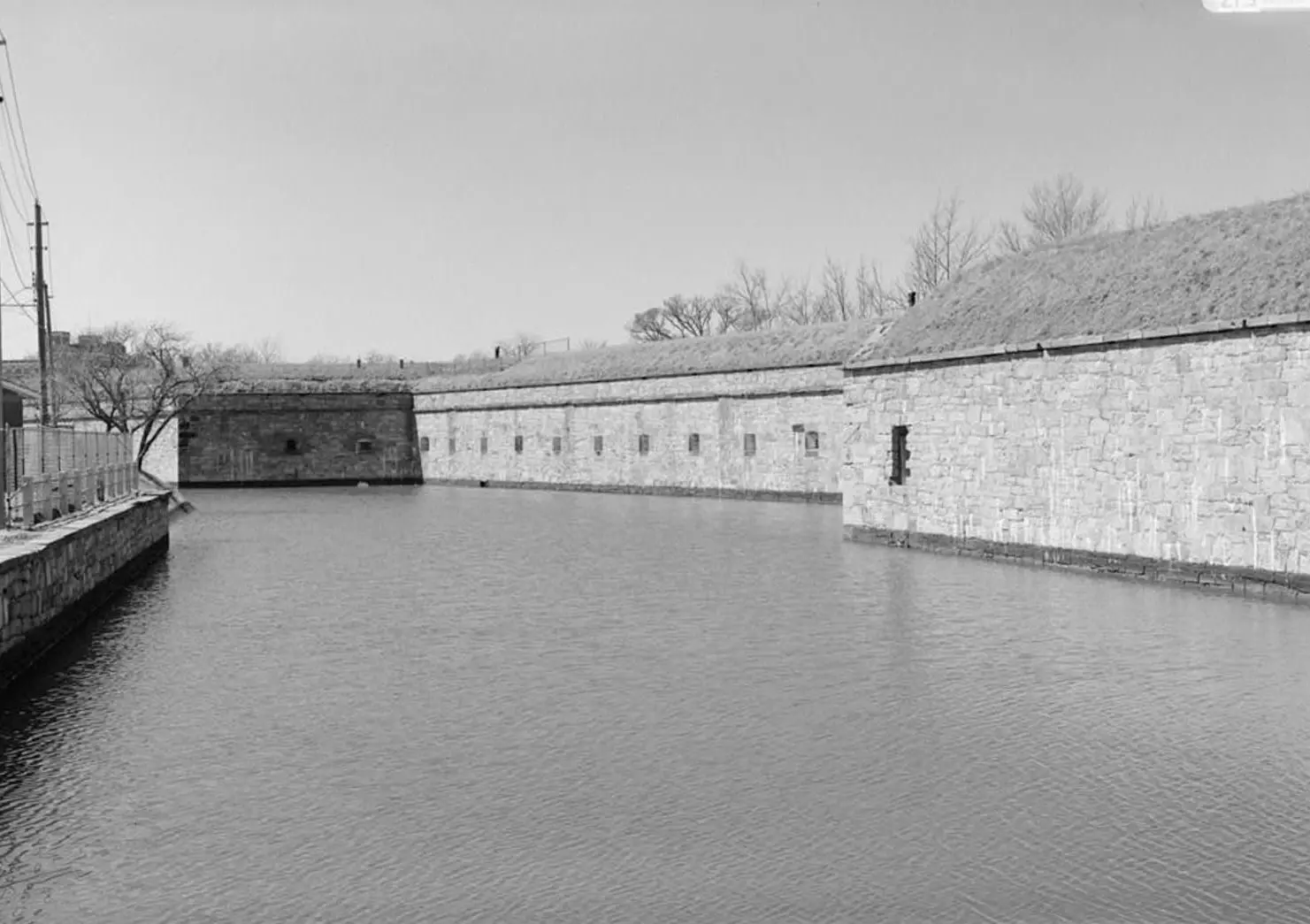
Fort Monroe in Hampton stands at Point Comfort, where enslaved Africans were brought ashore in 1619, and became Freedom's Fortress in 1861 when General Butler refused to return three freedom seekers.
Documented AccountsOpen to visitorsAlso a fort · also reported: doors, phantom lights
Fort · San Angelo, TX
Fort Concho National Historic Landmark
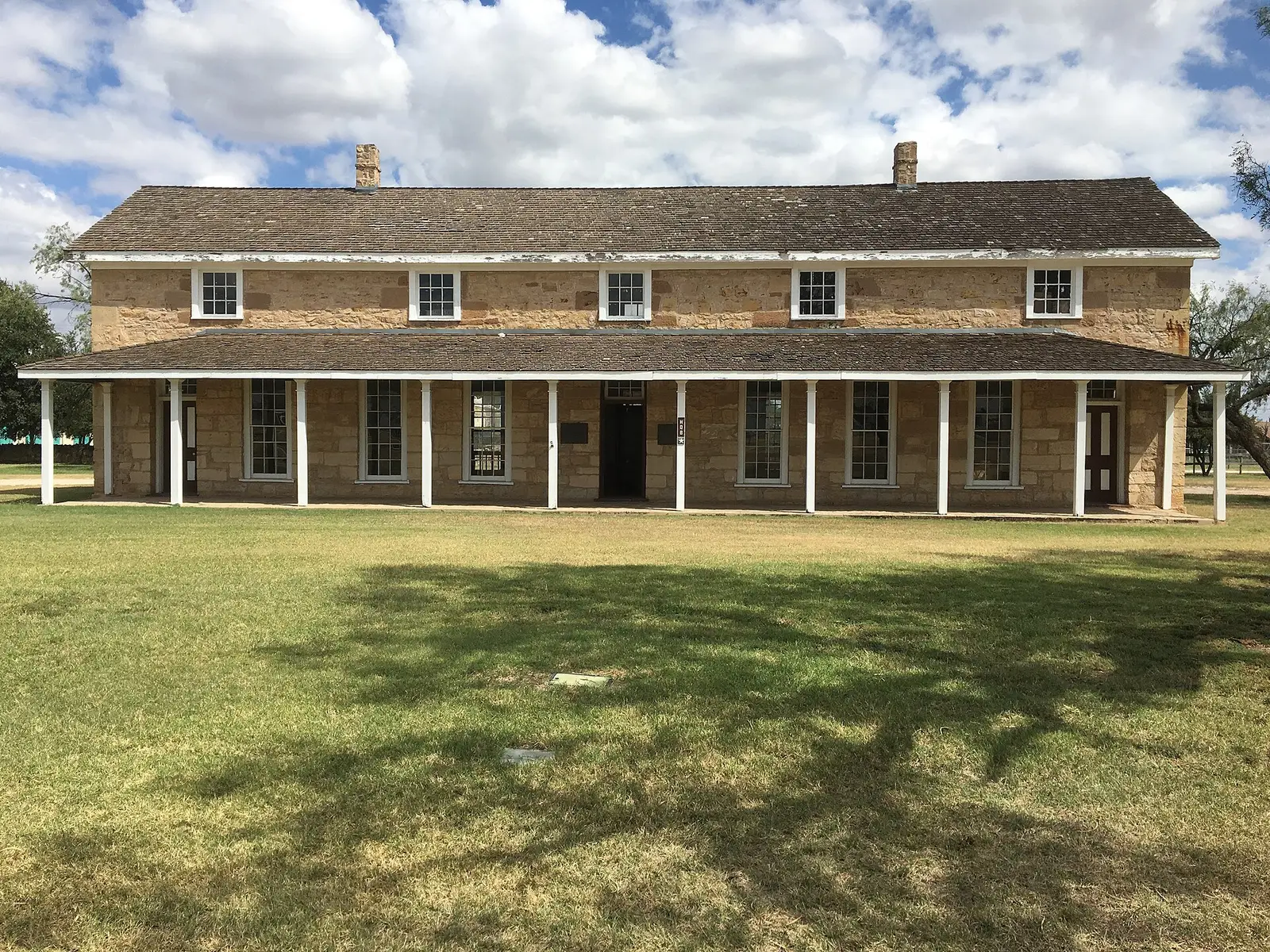
Fort Concho is a frontier army post in San Angelo, founded in 1867 and home to the Buffalo Soldiers of the Tenth Cavalry.
Documented AccountsOpen to visitorsAlso a fort · also reported: shadow figures, being touched
Fort · Detroit, MI
Historic Fort Wayne
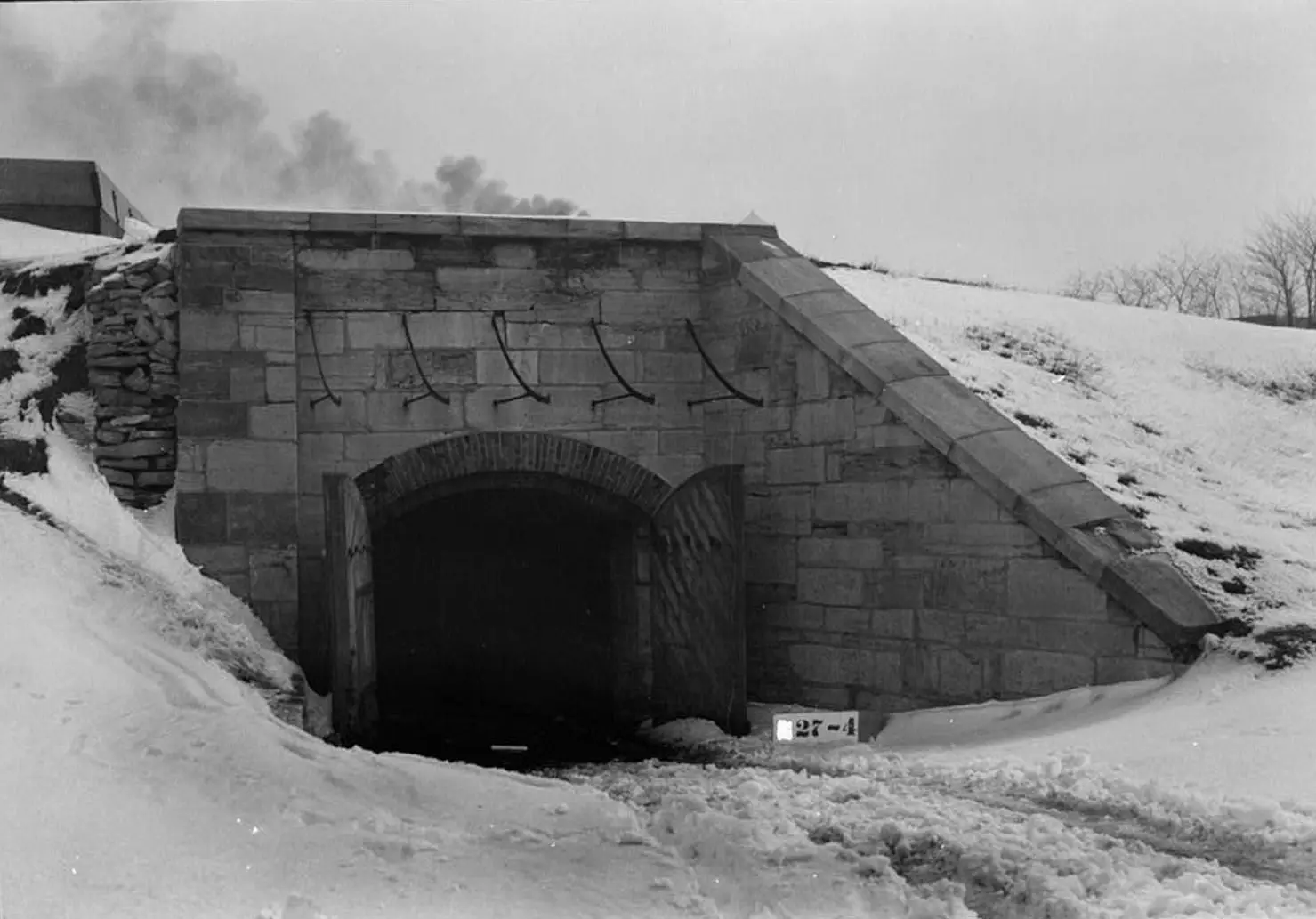
Historic Fort Wayne is an 1840s star fort on the Detroit River, used by the U.S. Army from the Civil War to the Vietnam era and now a city park with a Native American burial mound.
Documented AccountsOutside only