← Columbus Camp Chase Confederate Cemetery
Camp Chase Confederate Cemetery
History and the Lady in Gray
Columbus, Ohio
Camp Chase Confederate Cemetery holds more than 2,000 Confederate prisoners who died at a Union prison camp in Columbus between 1861 and 1865.
What do we know about Camp Chase Confederate Cemetery?
The Lady in Gray is a legend. We could not find where it was first printed, and the identification with Louisiana Briggs is disputed even by researchers sympathetic to the site. The only traceable experience is one man's memory of a childhood visit, told on a blog. Nothing in the record makes a haunting more or less likely; it shows a long tradition of people decorating these graves.

Our rating of the reports about Camp Chase Confederate Cemetery: Documented Accounts. At least one traceable published or first-hand account of an unexplained experience. We check that the reports exist, not the supernatural. The rating describes the evidence for the reports, not whether the place is haunted.
- Reported accounts
- 2
- Counted for the rating
- 1
- Research sources
- 7
Counted for the rating: independent accounts we could trace to a witness. Retellings of the same story count once, and staff passing on what visitors said aren’t counted. How we count
Reported experiences don’t establish a supernatural cause.
Read our evidence assessment →The hauntings
Accounts, encounters and stories associated with Camp Chase Confederate Cemetery.
What has been reported?
- Apparitions
- Voices
Phenomena described in accounts associated with this location — not independently verified events.
Reported experiences
2 published and reported accounts, each assessed by its source.
Account 01 · September 20, 2015
A former Columbus resident, 2015
A man who grew up nearby told a ghost blog that, at about 14, he and friends climbed into the cemetery at night, heard loud sobbing and saw a woman in dark, old-fashioned clothes leave a bouquet at a grave and pass out through the fence.[6]
- Apparitions
- Voices
Published accountReported by A former Columbus resident, recalling a boyhood visit, on the Seeks Ghosts blog (2015)Note: An adult memory of an undated childhood experience, published on a personal blog; not verified.
Read full account ›
A man who grew up nearby told a ghost blog that, at about 14, he and friends climbed into the cemetery at night, heard loud sobbing and saw a woman in dark, old-fashioned clothes leave a bouquet at a grave and pass out through the fence.[6]
Account 02
The Ghosts of Ohio
Many people at a Civil War reenactment near the cemetery in 1988 are said to have heard a woman weeping for about a minute.[7]
- Voices
No traceable witnessNote: The website names no witness or original source.
Read full account ›
Many people at a Civil War reenactment near the cemetery in 1988 are said to have heard a woman weeping for about a minute.[7]
Legends & disputed stories
Stories told about the place that the records don’t confirm.

- Legend
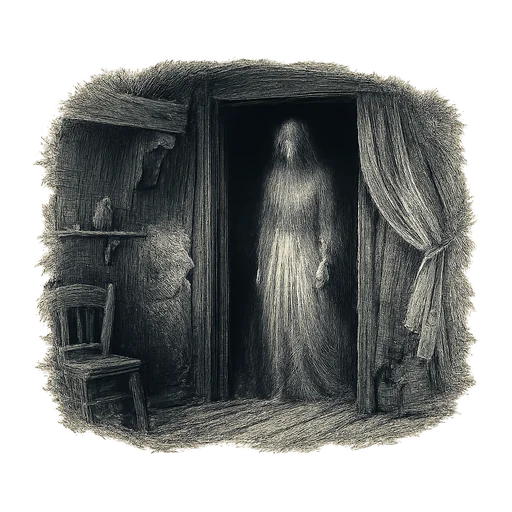
A woman dressed in gray, often described as veiled and weeping, is said to walk among the graves and leave flowers, especially at Benjamin F. Allen's grave and an unknown soldier's grave, then vanish through the locked gates.[6][7]
What the research shows: No original publication of the legend was found; Knauss's 1906 history of the camp, checked by keyword search, does not appear to mention it.
- Legend
A later version of the legend makes the Lady in Gray Louisiana Ransburgh Briggs, mourning a romance with Benjamin Allen; a heritage-group researcher argues this is unlikely, since she would have been about 13 in 1864 and lived far from him, and attributes the romance to a newspaper reporter promoting the cemetery.[5][4]
What the research shows: The reporter and date are not identified, so the origin claim is itself unsourced.
Before you go

Planning a visit?
Outside only
You can see it from public land; the inside isn’t open.
Access details ›
Open daily during daylight hours; a federal cemetery with rules on grave decorations, so check the VA page before visiting.
Entry
Cost not confirmed
Access last checked November 19, 2026. Confirm times and prices before you travel.
Approximate location, within about 1 km.
The history of Camp Chase Confederate Cemetery
Camp Chase Confederate Cemetery holds more than 2,000 Confederate prisoners who died at a Union prison camp in Columbus between 1861 and 1865. It is linked with the Lady in Gray, a veiled woman said to leave flowers on graves. The legend's origin is unknown and first-hand accounts are scarce. The federal cemetery is open daily in daylight.
- Established
- 1863 (cemetery); arch 1902
- Also known as
- Camp Chase Cemetery
A prison camp and its cemetery
Camp Chase opened west of Columbus in June 1861 as a training camp for Union recruits and soon became a prison. It held political prisoners and, increasingly, Confederate soldiers. Its population peaked at 9,423 in January 1865, though the VA gives a peak of about 8,000 in 1863. By the time it closed that July, about 2,229 prisoners had died, most of them from disease.
The prison cemetery was set up in 1863 on under two acres, and earlier Confederate burials from Columbus and Camp Dennison were moved there. The federal government bought the ground in 1879. Union veteran William H. Knauss began annual decoration ceremonies in the mid-1890s, and a stone arch inscribed "Americans" was dedicated in 1902. Marble headstones followed between 1908 and 1910. A memorial boulder honors 2,260 soldiers, though the VA's own estimate is about 2,168 remains in 2,122 graves. The site was listed on the National Register in 1973 and is cared for by the National Cemetery Administration.
The Lady in Gray
The cemetery's best-known story is a legend, not a documented event. A woman in gray, often veiled and weeping, is said to walk among the graves and leave flowers. She is linked especially with the grave of Private Benjamin F. Allen of the 50th Tennessee, who died at the camp in 1864, and with an unknown soldier's grave. Some versions name her as Louisiana Ransburgh Briggs (1849–1950) and invent a romance with Allen. A heritage-group researcher points out she would have been about 13 at the time and blames a newspaper reporter for the romance, but names neither the reporter nor the date. We found no original printing of the legend.
Through the years
1864
September 8, 1864
Private Benjamin F. Allen, Company D, 50th Tennessee Infantry, is recorded as dying at Camp Chase of pneumonia on September 8, 1864; his headstone is No. 233.[4]
Caveat: From a heritage-group compilation of service records; the underlying records were not consulted.
1865
Camp closes
The prison's population peaked at 9,423 on January 31, 1865, though the VA gives a peak of about 8,000 in 1863; by the time the camp closed in July 1865, about 2,229 prisoners had died, mostly of diseases…
Read more ›
The prison's population peaked at 9,423 on January 31, 1865, though the VA gives a peak of about 8,000 in 1863; by the time the camp closed in July 1865, about 2,229 prisoners had died, mostly of diseases such as smallpox, typhoid and pneumonia, as well as poor diet and exposure.[1][2]
Caveat: The VA page notes a smallpox epidemic in late 1864; figures vary between sources.
1902
Memorial arch dedicated
Union veteran William H. Knauss organized decoration ceremonies at the cemetery from the mid-1890s; a stone memorial arch inscribed "Americans" was dedicated on June 14, 1902, and marble headstones replaced the earlier markers between 1908 and 1910.[3][1][2]
Caveat: HALS gives June 1896 for the first ceremony; the NPS lesson says the yearly services began in 1895.
1950
February 26, 1950
Louisiana Ransburgh Briggs, the woman some later accounts identify as the Lady in Gray, was born in 1849 and died in 1950 aged 100; she is buried in Green Lawn Cemetery, Columbus.[5]
Caveat: From a heritage-group compilation citing census records and an obituary; not checked against them.
The research conclusion

Why it has this rating
One traceable account: a man's recollection, published on a ghost blog in 2015, of hearing sobbing and seeing a woman in old-fashioned clothes at the cemetery as a teenager. That meets the guide for Documented Accounts, but it is a single, late account. The Lady in Gray legend itself has no traceable origin and doesn't count towards the rating.
Read the full written assessment ›
The cemetery's history is very well recorded by the VA, a federal landscape survey and the National Park Service, although burial counts and some monument dates differ between them.
The Lady in Gray is a legend. We could not find where it was first printed, and the identification with Louisiana Briggs is disputed even by researchers sympathetic to the site. The only traceable experience is one man's memory of a childhood visit, told on a blog. Nothing in the record makes a haunting more or less likely; it shows a long tradition of people decorating these graves.
The sources behind the story
7 research references support this entry.

1U.S. Department of Veterans Affairs, National Cemetery AdministrationCamp Chase Confederate Cemetery Official or site history · Reference 01
Camp Chase Confederate Cemetery. U.S. Department of Veterans Affairs, National Cemetery Administration.
The federal owner's page, checked 16 November 2026. Authoritative for location, visiting rules, management, monuments and the official burial estimate. Gives GPS coordinates for directions. Mentions no fee and no ghost lore.
Accessed November 16, 2026.
2National Park ServiceNot to Be Forgotten: Camp Chase Confederate Cemetery (Teaching with Historic Places) Official or site history · Reference 02
Paul LaRue with Research History students, Not to Be Forgotten: Camp Chase Confederate Cemetery (Teaching with Historic Places). National Park Service, 2023-04-12.
NPS lesson plan based on the NRHP nomination, written by a teacher and students and edited by NCA and NPS staff. Good for the camp's dates, prisoner numbers and deaths; it repeats several differing burial counts.
Accessed November 16, 2026.
3National Cemetery Administration / HALSHistoric American Landscapes Survey: Camp Chase Confederate Cemetery, Rostrum (HALS No. OH-2-A) Official or site history · Reference 03
Historic American Landscapes Survey: Camp Chase Confederate Cemetery, Rostrum (HALS No. OH-2-A). National Cemetery Administration / HALS, 2018.
Federal heritage survey with its own bibliography of period newspapers and the 1973 NRHP nomination. Strong for the memorial history (1879 purchase, 1896 decoration ceremony, 1902 arch, 1908–1910 headstones, 1973 transfer to the VA). It dates the boulder to the late 1880s, which conflicts with the VA page's 1897.
Accessed November 16, 2026.
4campchase.us (compiled by Dennis Ranney, Sons of Confederate Veterans)The Soldier Behind the Legend of 'The Lady in Gray' Website · Reference 04
Dennis Ranney, The Soldier Behind the Legend of 'The Lady in Gray'. campchase.us (compiled by Dennis Ranney, Sons of Confederate Veterans).
Heritage-group compilation that cites service records, census returns and Camp Chase records. Useful for Private Benjamin F. Allen's basic record and grave number; it does not say where the legend came from. Not neutral on Confederate memory.
Accessed November 16, 2026.
5campchase.us (compiled by Dennis Ranney and Joanie Jackson)The Lady Behind the Veil: The Life of Louisiana Ransburgh Briggs Website · Reference 05
Dennis Ranney and Joanie Jackson, The Lady Behind the Veil: The Life of Louisiana Ransburgh Briggs. campchase.us (compiled by Dennis Ranney and Joanie Jackson).
Heritage-group compilation citing census, marriage and newspaper records (including a 1950 obituary). It asserts that she placed flowers on graves while veiled and that the romance with Allen was a reporter's invention, but gives no source for either point.
Accessed November 16, 2026.
6Seeks Ghosts (blog)The Gray Lady of Camp Chase Website · Reference 06
Virginia Lamkin, The Gray Lady of Camp Chase. Seeks Ghosts (blog), 2015-09-20.
Personal ghost blog. Cited only as where one man's recollection of a boyhood sighting was published. The account is undated and was not checked; the post's historical details (e.g. 2,269 burials, 1896 first service) do not all match federal sources.
Accessed November 16, 2026.
7The Ghosts of OhioLore & Legends: Camp Chase (Woman in Gray) Website · Reference 07
Lore & Legends: Camp Chase (Woman in Gray). The Ghosts of Ohio.
Ghost-research website. Cited only as a place where the legend and an unsourced 1988 report were published. Undated, with no witnesses named. The authors say flowers they found at the Unknown Soldier's grave were plastic.
Accessed November 16, 2026.
More haunted places
Explore nearby

Similar places
Also a cemetery
Cemetery · New Orleans, LA
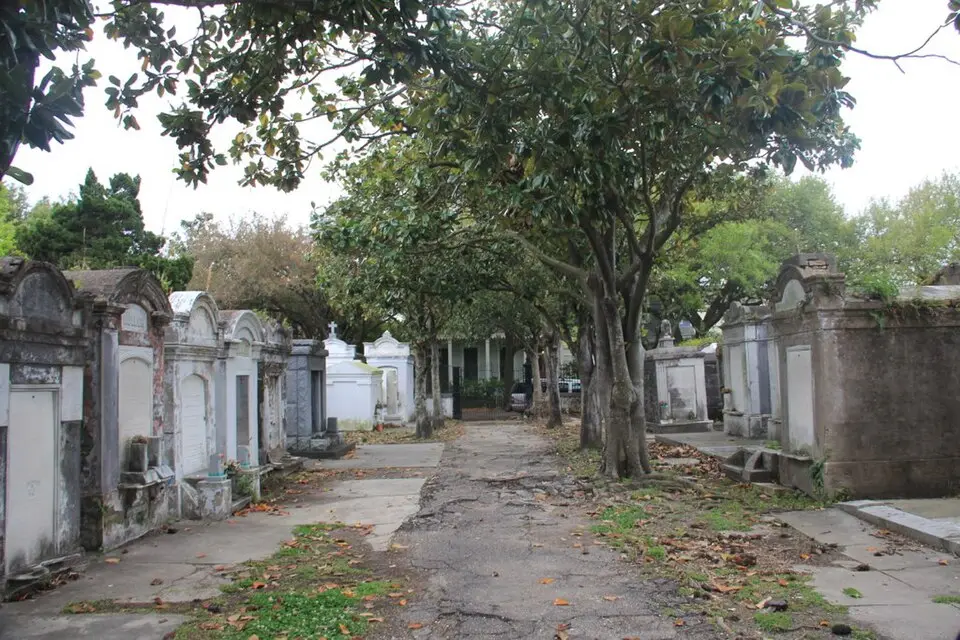
Lafayette Cemetery No. 1
Lafayette Cemetery No. 1 is an above-ground cemetery in the Garden District, founded in 1833, where many yellow fever victims were buried.
UnverifiedTours onlyAlso a cemetery
Cemetery · New Orleans, LA
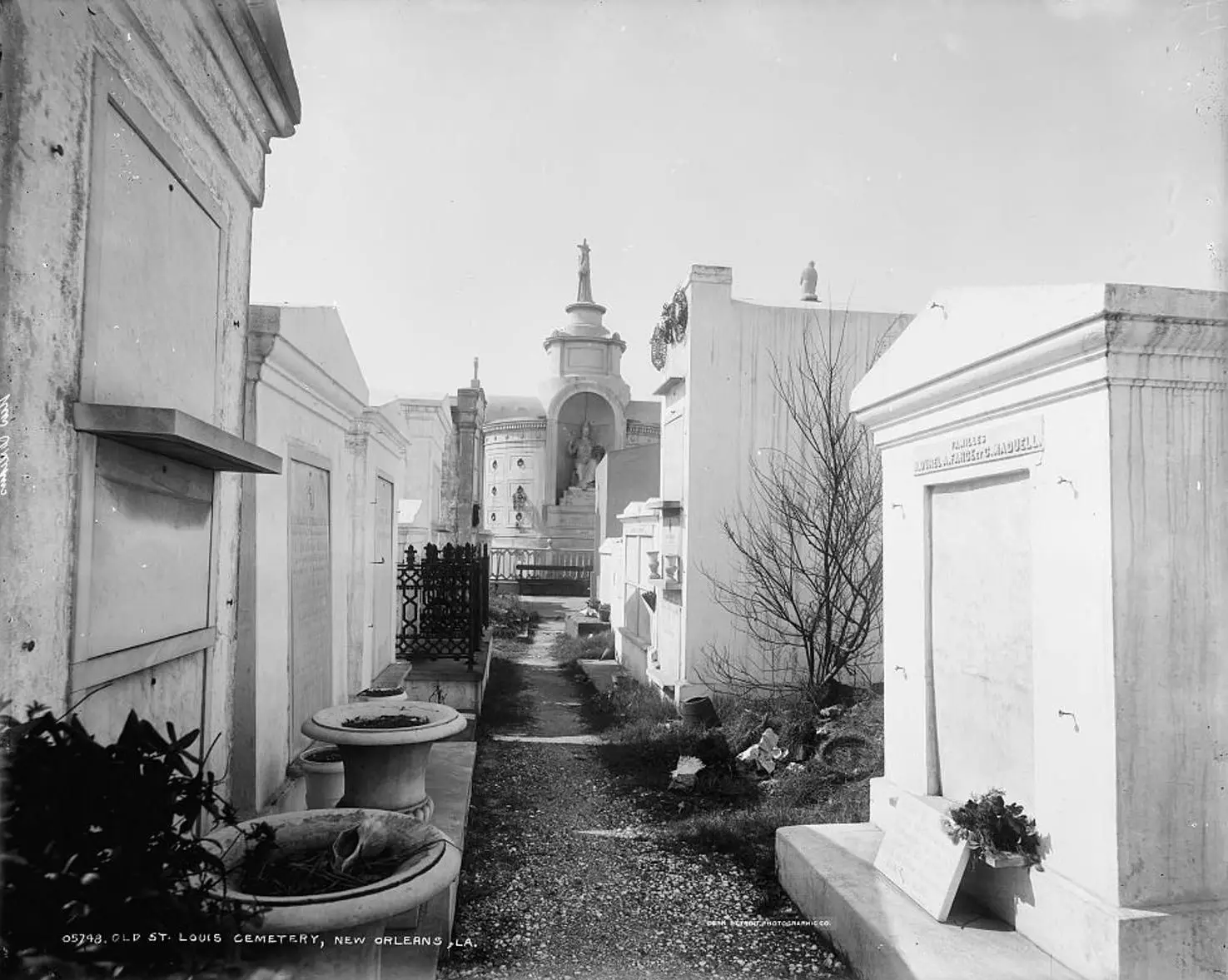
St. Louis Cemetery No. 1
New Orleans' oldest surviving cemetery, founded in 1789 and known for its above-ground tombs.
UnverifiedTours onlyAlso a cemetery
Cemetery · Boston, MA
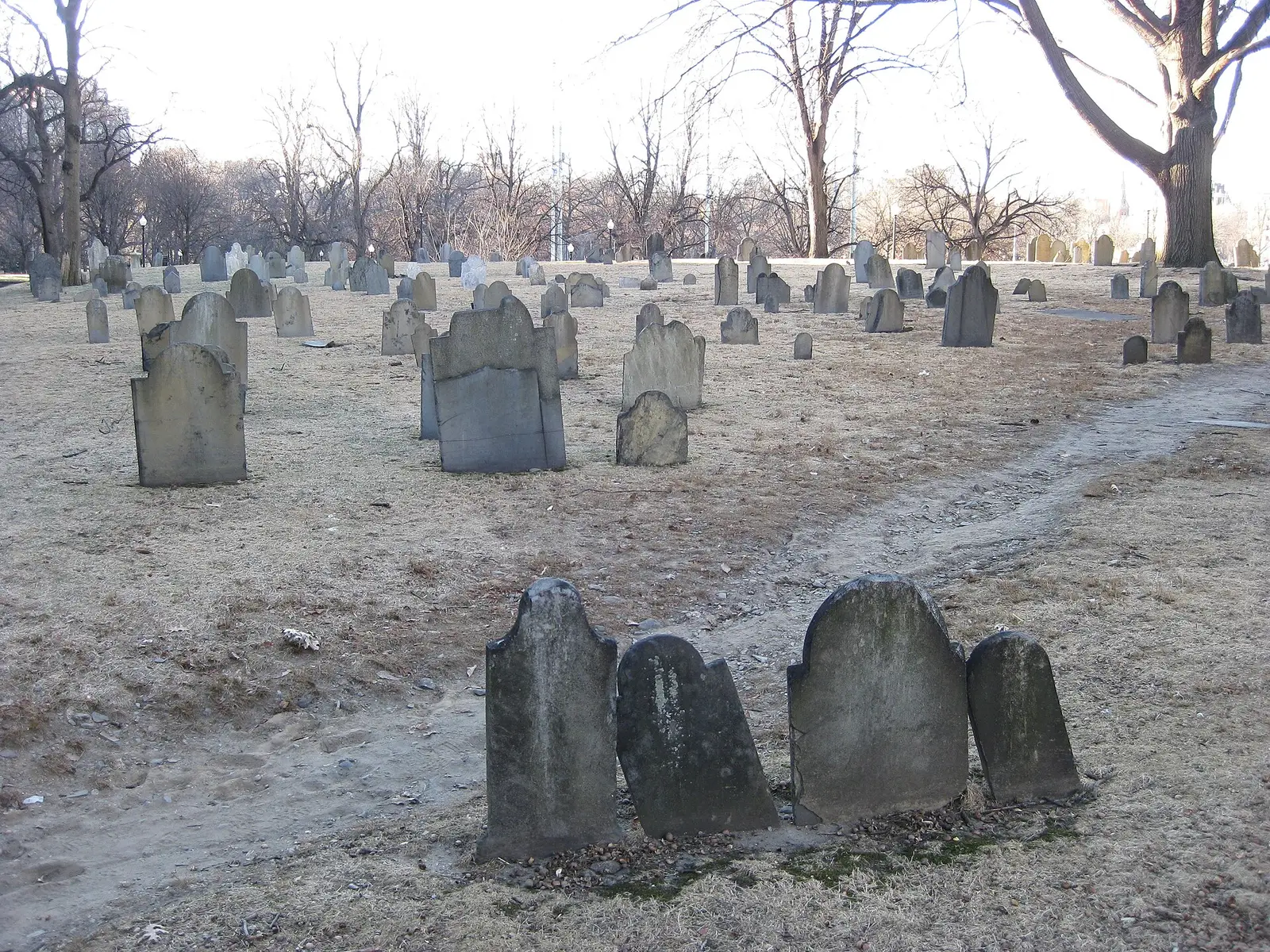
Boston Common and the Central Burying Ground
The Central Burying Ground is the 1756 graveyard on the Boylston Street edge of Boston Common, the city's oldest park and once a place of public hangings.
UnverifiedOutside onlyAlso a cemetery
Cemetery · Springfield, IL
Lincoln Tomb State Historic Site
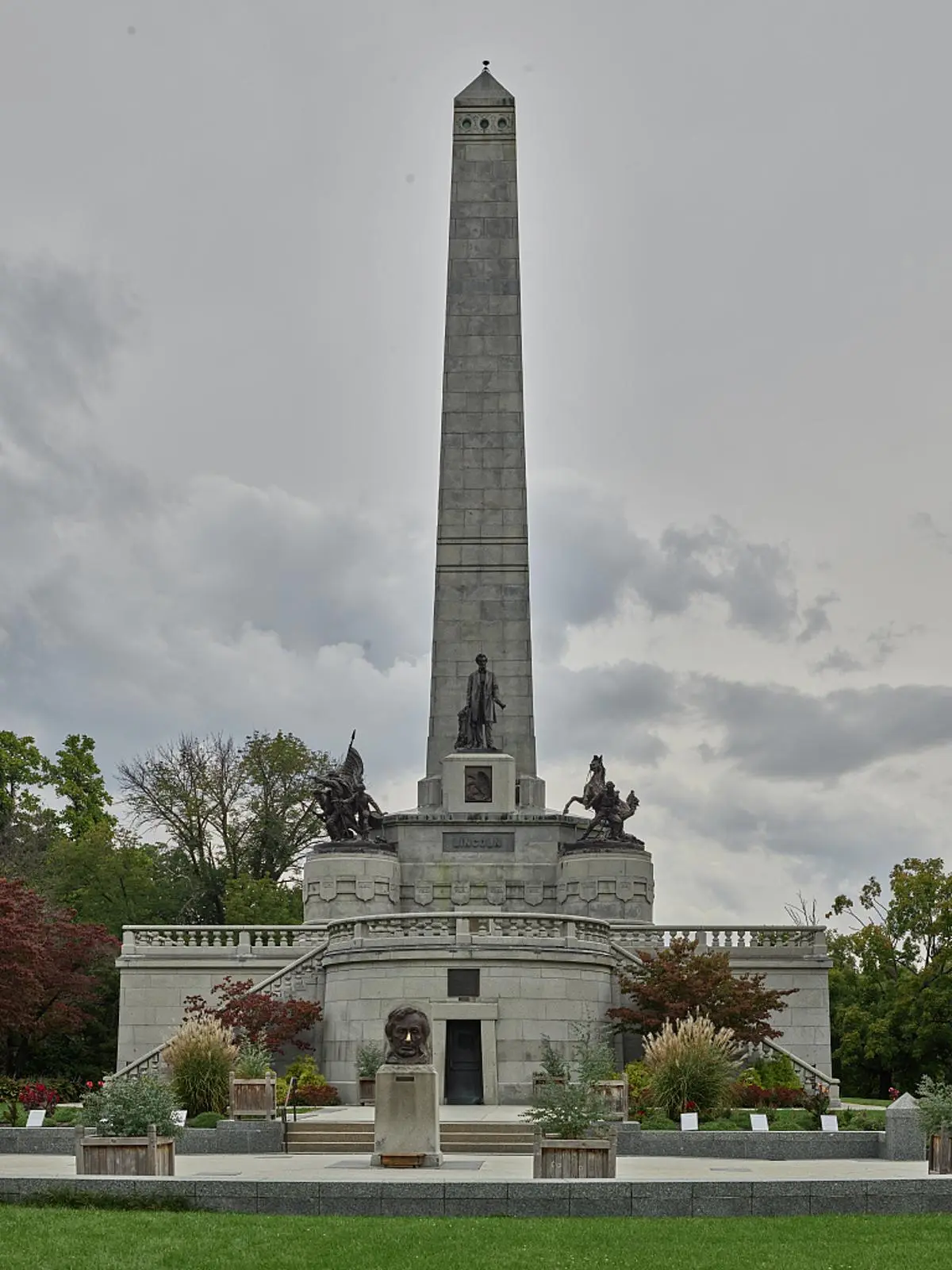
Lincoln Tomb in Springfield's Oak Ridge Cemetery is the burial place of Abraham Lincoln, Mary Lincoln and three of their sons, dedicated in 1874.
UnverifiedOpen to visitors