← Boston Boston Common and the Central Burying Ground
Boston Common and the Central Burying Ground
Boston, Massachusetts
The Central Burying Ground is the 1756 graveyard on the Boylston Street edge of Boston Common, the city's oldest park and once a place of public hangings.
What do we know about Boston Common and the Central Burying Ground?
The ghost stories are weak. The best known, of a visiting dentist in the 1970s followed by a girl who vanished and then took his car keys, is credited to two different ghost books that give him two different names; we could open neither. Stories of hanged figures on the Common, despairing feelings in the graveyard and redcoat soldiers seen by subway drivers come from ghost-tour sources with no named witness.
Our rating of the reports about Boston Common and the Central Burying Ground: Unverified. A haunted reputation or legend, but no traceable account of an experience so far. The rating describes the evidence for the reports, not whether the place is haunted.
- Reported accounts
- 3
- Counted for the rating
- 0
- Research sources
- 6
Counted for the rating: independent accounts we could trace to a witness. Retellings of the same story count once, and staff passing on what visitors said aren’t counted. How we count
Reported experiences don’t establish a supernatural cause.
Read our evidence assessment →The hauntings
Accounts, encounters and stories associated with Boston Common and the Central Burying Ground.
What has been reported?
- Being touched
- Apparitions
- Moving objects
- Shadow figures
- Voices

Phenomena described in accounts associated with this location — not independently verified events.
Reported experiences
3 published and reported accounts, each assessed by its source.
Account 01 · July 29, 2010
New England Folklore, 2010
A ghost story retold from published ghost books tells of a dentist walking through the burying ground one afternoon in the 1970s: a girl in a dirty white dress kept appearing in front of him wherever he looked, then vanished, and when he reached his car…
- Being touched
- Apparitions
- Moving objects
Published accountReported by An unnamed dentist (via Cheri Revai's Haunted Massachusetts, retold by Peter Muise, 2010)Note: The two retellings credit different books and give the dentist two different names, so we name neither. We could not access either book.
Read full account ›
A ghost story retold from published ghost books tells of a dentist walking through the burying ground one afternoon in the 1970s: a girl in a dirty white dress kept appearing in front of him wherever he looked, then vanished, and when he reached his car a small, cold hand took his keys and threw them to the ground.[5][6]
Account 02
Ghost City Tours
A ghost-tour company says visitors to the burying ground feel despair, sense they are being watched and see shadows moving behind gravestones.[6]
- Shadow figures
No traceable witnessNote: Called 'popular legend' by the company itself; no witnesses.
Read full account ›
A ghost-tour company says visitors to the burying ground feel despair, sense they are being watched and see shadows moving behind gravestones.[6]
Account 03 · October 25, 2024
WBUR, 2024
A ghost-tour guide quoted by public radio relayed accounts of Green Line operators seeing British soldiers on the tracks between Boylston and Arlington stations, a story linked to the 1895 disturbance of the burying ground; a ghost-tour company, citing a ghost book, says a redcoat soldier…
- Apparitions
No traceable witnessNote: Secondhand, with no named operator; the subway tunnel lies beside, not inside, the burying ground.
Read full account ›
A ghost-tour guide quoted by public radio relayed accounts of Green Line operators seeing British soldiers on the tracks between Boylston and Arlington stations, a story linked to the 1895 disturbance of the burying ground; a ghost-tour company, citing a ghost book, says a redcoat soldier is seen by conductors in the mornings.[6][4]
Legends & disputed stories
Stories told about the place that the records don’t confirm.

- Legend
Ghost tours say pale figures are seen hanging from trees and the creak of a rope is heard near the former site of the Common's great elm, which they describe as a hanging tree.[6]
What the research shows: No named witnesses. We have not checked the history of the elm against a historical source.
Before you go

Planning a visit?
Outside only
You can see it from public land; the inside isn’t open.
Access details ›
Boston Common is a city park, and the Central Burying Ground lies within it on Boylston Street, managed by Boston Parks and Recreation. The city sets daily opening hours; check its page before visiting. Commercial ghost tours include the Common, but their stories are not evidence. Please treat the graves with respect.
Entry
Cost not confirmed
Access last checked November 19, 2026. Confirm times and prices before you travel.
Approximate location, within about 1 km.
See Boston Common and the Central Burying Ground on the full map →
The history of Boston Common and the Central Burying Ground
The Central Burying Ground is the 1756 graveyard on the Boylston Street edge of Boston Common, the city's oldest park and once a place of public hangings. Its main ghost story, a girl in a dirty dress who followed a dentist in the 1970s and took his keys, comes from ghost books we could not access, which disagree on his name. Other tales are anonymous. The burying ground is open by day.
- Established
- 1756
- Also known as
- Central Burying Ground
The Common
Boston bought and set aside the Common in 1634, four years after the town's founding, as common land for pasture and a training field for the militia. It is generally considered the oldest public park in the United States. Its early uses included public hangings, and from 1768 British troops camped there for eight years. Today it is a 50-acre city park.
The Central Burying Ground
In 1756 the town opened a new burying ground on the Common's Boylston Street side to relieve the crowded older graveyards. It took in free and enslaved African Americans, Boston residents and "strangers" who died in the town, and, from 1771, people from the almshouse. The painter Gilbert Stuart is buried here, as is Chow Manderien, a young sailor from China who died in the harbor. The city says some British soldiers from the Battle of Bunker Hill may lie here, though that cannot be confirmed.
The subway dig of 1895
When the Tremont Street subway, the first in the country, was dug along Boylston Street in 1895, workers broke into tombs and uncovered human remains. The city says about 90 bodies were found in undisturbed tombs and about 820 in other conditions. The remains were reburied in a large common grave in the northwest part of the burying ground.
Through the years
1768
British troops camp on the Common
The Common's early uses included public hangings, and from 1768 British troops camped on it for eight years.[1]
1895
Subway dig disturbs the graves
When the Tremont Street subway, the first in the country, was dug along Boylston Street in 1895, workers uncovered unremoved tombs and other human remains: about 90 bodies in undisturbed tombs and about 820 in other conditions, according…
Read more ›
When the Tremont Street subway, the first in the country, was dug along Boylston Street in 1895, workers uncovered unremoved tombs and other human remains: about 90 bodies in undisturbed tombs and about 820 in other conditions, according to the city. The remains were reburied in a large grave in the northwest part of the burying ground.[2][3][4]
Also recorded
Those buried there include free and enslaved African Americans, Boston residents, 'strangers' who died in the town, almshouse residents from 1771, the painter Gilbert Stuart, and Chow Manderien, a young sailor from China who died in Boston Harbor.[3]
Caveat: The National Historic Landmark nomination says soldiers who died at Bunker Hill and during the British occupation were buried here; the city says British officers may be but this 'cannot be confirmed'.
The research conclusion

Why it has this rating
The main story, a dentist in the 1970s followed by a girl, is retold from two books that give him different names, and neither book was available to us. Other reports are anonymous. The people buried here, and those found during the 1895 subway dig, are history.
Read the full written assessment ›
The history is well recorded. The Common's National Historic Landmark nomination and the City of Boston record the Common's founding in 1634, the burying ground's opening in 1756, and the 1895 subway excavation that unearthed hundreds of remains, which were reburied in a common grave.
The ghost stories are weak. The best known, of a visiting dentist in the 1970s followed by a girl who vanished and then took his car keys, is credited to two different ghost books that give him two different names; we could open neither. Stories of hanged figures on the Common, despairing feelings in the graveyard and redcoat soldiers seen by subway drivers come from ghost-tour sources with no named witness. None of it shows more than a strong local tradition.
The sources behind the story
6 research references support this entry.

1City of BostonBoston Common Official or site history · Reference 01
Boston Common. City of Boston.
City park page: founded 1634; early uses included grazing, militia formations and public hangings; British troops camped there from 1768 for eight years. Names no one executed; no ghosts; gives no fees.
Accessed November 17, 2026.
2National Park Service (NPGallery)National Register of Historic Places Inventory–Nomination Form: Boston Common (ref. 87000760) Register or nomination · Reference 02
James H. Charleton, National Register of Historic Places Inventory–Nomination Form: Boston Common (ref. 87000760). National Park Service (NPGallery), 1985-11.
National Historic Landmark nomination by an NPS historian, read as a text PDF. Gives the 1634 purchase for pasture and militia training, about 50 acres, 'generally considered the oldest public park in the United States', the Central Burying Ground established on the Boylston Street side in 1756 with soldiers from Bunker Hill and the occupation buried there, the Tremont Street Subway of 1895–98, and UTM references read by OCR. Nothing about ghosts or hangings.
Accessed November 17, 2026.
3City of BostonCentral Burying Ground Official or site history · Reference 03
Central Burying Ground. City of Boston.
City page, checked for access: dates from 1756, on Boylston Street near Tremont; built to relieve crowding at older burying grounds; burials of free and enslaved African Americans, residents, 'strangers', almshouse burials from 1771, Gilbert Stuart, Chow Manderien, 14 Tea Party participants; British officers 'cannot be confirmed'; the 1895 subway excavation and the large grave for disinterred remains; open about 9 a.m. to 4 p.m. daily; managed by Parks and Recreation.
Accessed November 17, 2026.
4WBUR (Boston public radio)The Weekender: Boston haunted locations, Green Line ghosts, witches and the harbor islands (title paraphrased from the page address) Television or radio · Reference 04
Hanna Ali, The Weekender: Boston haunted locations, Green Line ghosts, witches and the harbor islands (title paraphrased from the page address). WBUR (Boston public radio), 2024-10-25.
Public radio newsletter piece that says it cannot settle whether ghosts exist. Cites boston.gov for the Central Burying Ground and the 1895 subway disturbance (about 90 bodies in undisturbed tombs and about 820 in other conditions); relays a ghost-tour guide's accounts of Green Line operators seeing British soldiers; retells the Fort Warren 'Lady in Black' legend with comments from Peter Drummey of the Massachusetts Historical Society and Jay Schmidt's view that it is 'probably not' true.
Accessed November 17, 2026.
5New England Folklore (blog)The Ghost of Central Burying Ground Website · Reference 05
Peter Muise, The Ghost of Central Burying Ground. New England Folklore (blog), 2010-07-29.
Folklore blog. Retells the 1970s dentist story from Cheri Revai's 'Haunted Massachusetts', naming the dentist, and says the author has seen no ghosts himself. A 2015 reader comment from a construction worker describes general unease among workers, not an experience.
Accessed November 17, 2026.
6Ghost City ToursBoston Common Website · Reference 06
Tim Nealon, Boston Common. Ghost City Tours.
Commercial ghost-tour company's page (undated). Credits the dentist story to Taryn Plumb's 'Haunted Boston' but gives a different name for him; adds unnamed visitors' reports of hanging figures near the Great Elm site, figures in the burying ground, and a redcoat seen by subway conductors. Also tells the stories of people hanged on the Common. Marketing, not evidence.
Accessed November 17, 2026.
More haunted places
Explore nearby
Hotel
Omni Parker House
Boston, Massachusetts · under 1 mile away · Open to visitors
Fort
Fort Warren
Boston, Massachusetts · 7.5 miles away · Open to visitors
Hotel
Joshua Ward House
Salem, Massachusetts · 15 miles away · By permission
Museum
The Witch House (Jonathan Corwin House)
Salem, Massachusetts · 15 miles away · Open to visitors

Similar places
Also a cemetery · also reported: shadow figures, being touched
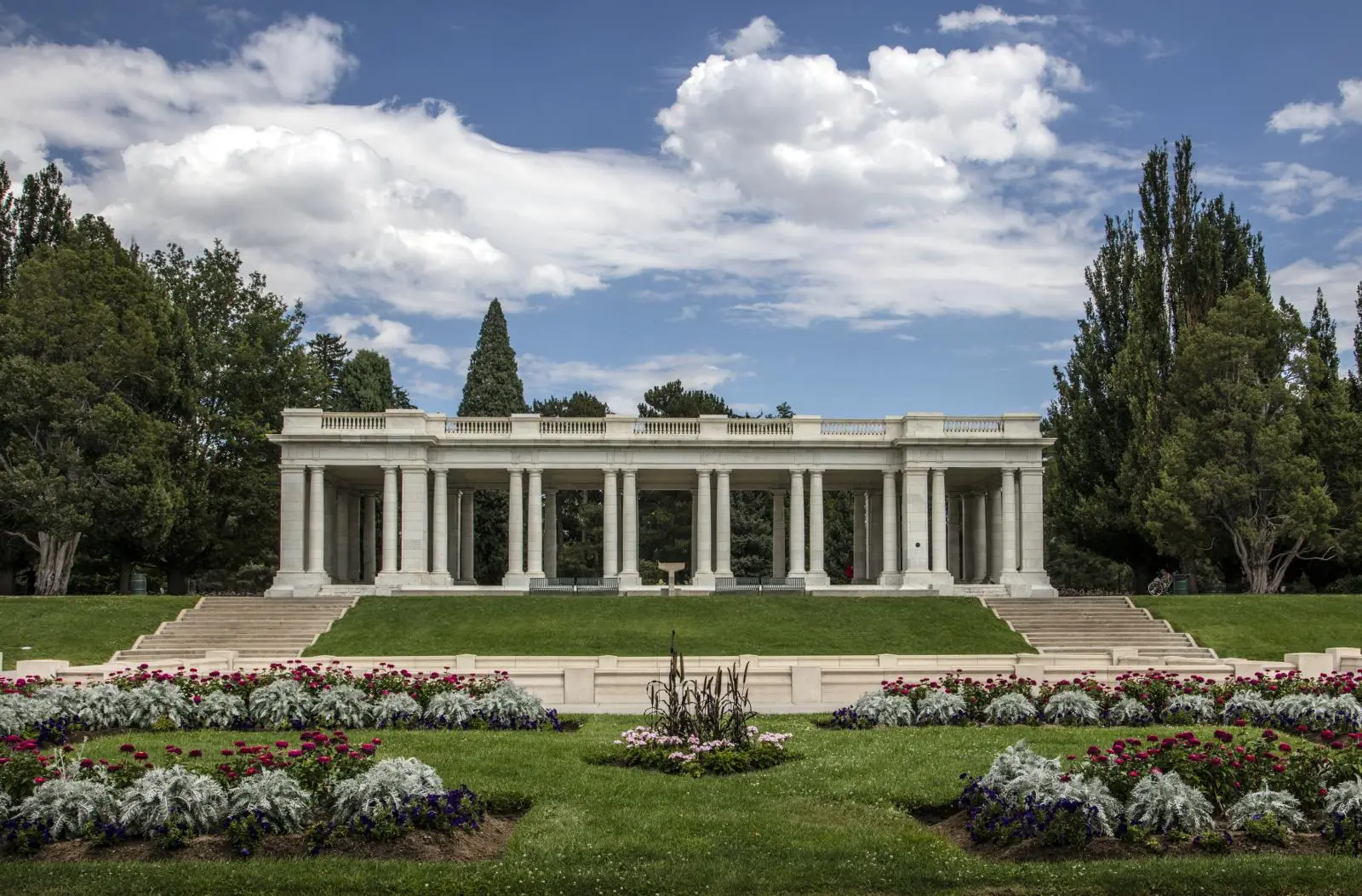
Cemetery · Denver, CO
Cheesman Park
Cheesman Park is a Denver city park laid out over the city's first cemetery.
Documented AccountsOutside onlyAlso a cemetery · also reported: shadow figures
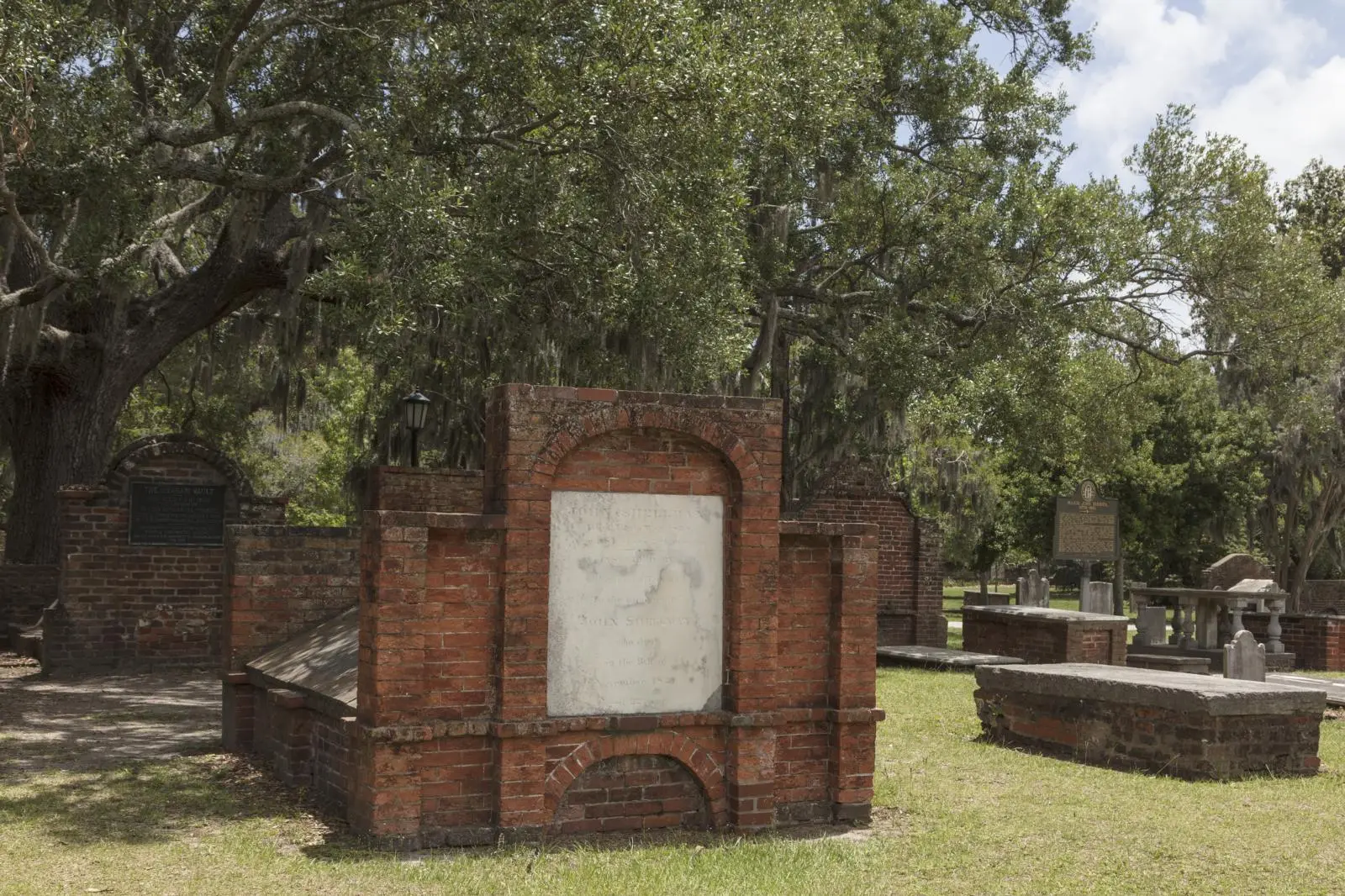
Cemetery · Savannah, GA
Colonial Park Cemetery
Colonial Park Cemetery was Savannah's main burial ground from about 1750 to 1853 and holds more than 9,000 graves, most now unmarked.
Documented AccountsOutside onlyAlso a cemetery · also reported: being touched
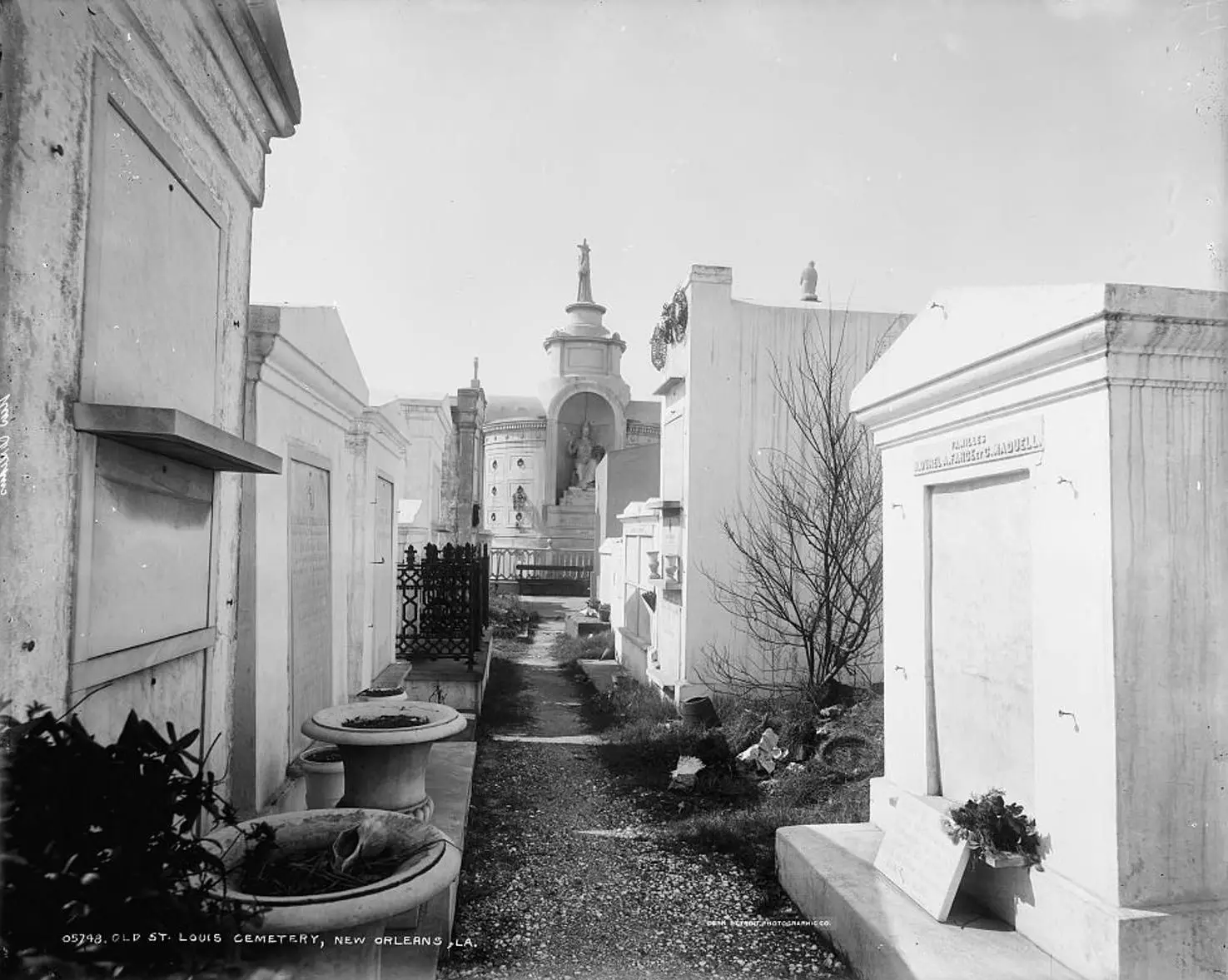
Cemetery · New Orleans, LA
St. Louis Cemetery No. 1
New Orleans' oldest surviving cemetery, founded in 1789 and known for its above-ground tombs.
UnverifiedTours onlyAlso a cemetery · also reported: being touched
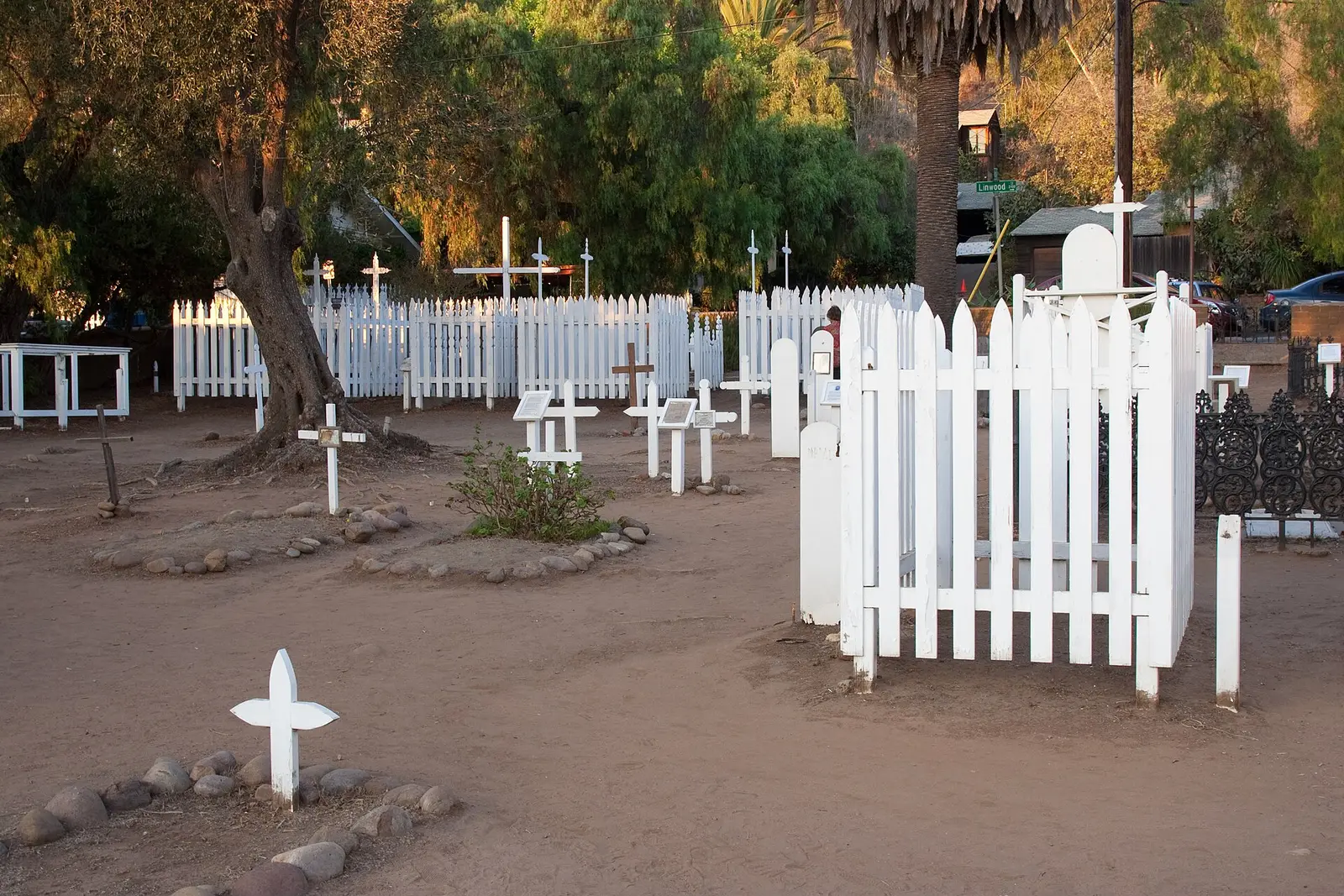
Cemetery · San Diego, CA
El Campo Santo Cemetery
El Campo Santo is Old Town San Diego's Catholic cemetery, opened in 1849, where about 477 people were buried, including many Native Americans and Yankee Jim Robinson.
UnverifiedOutside only