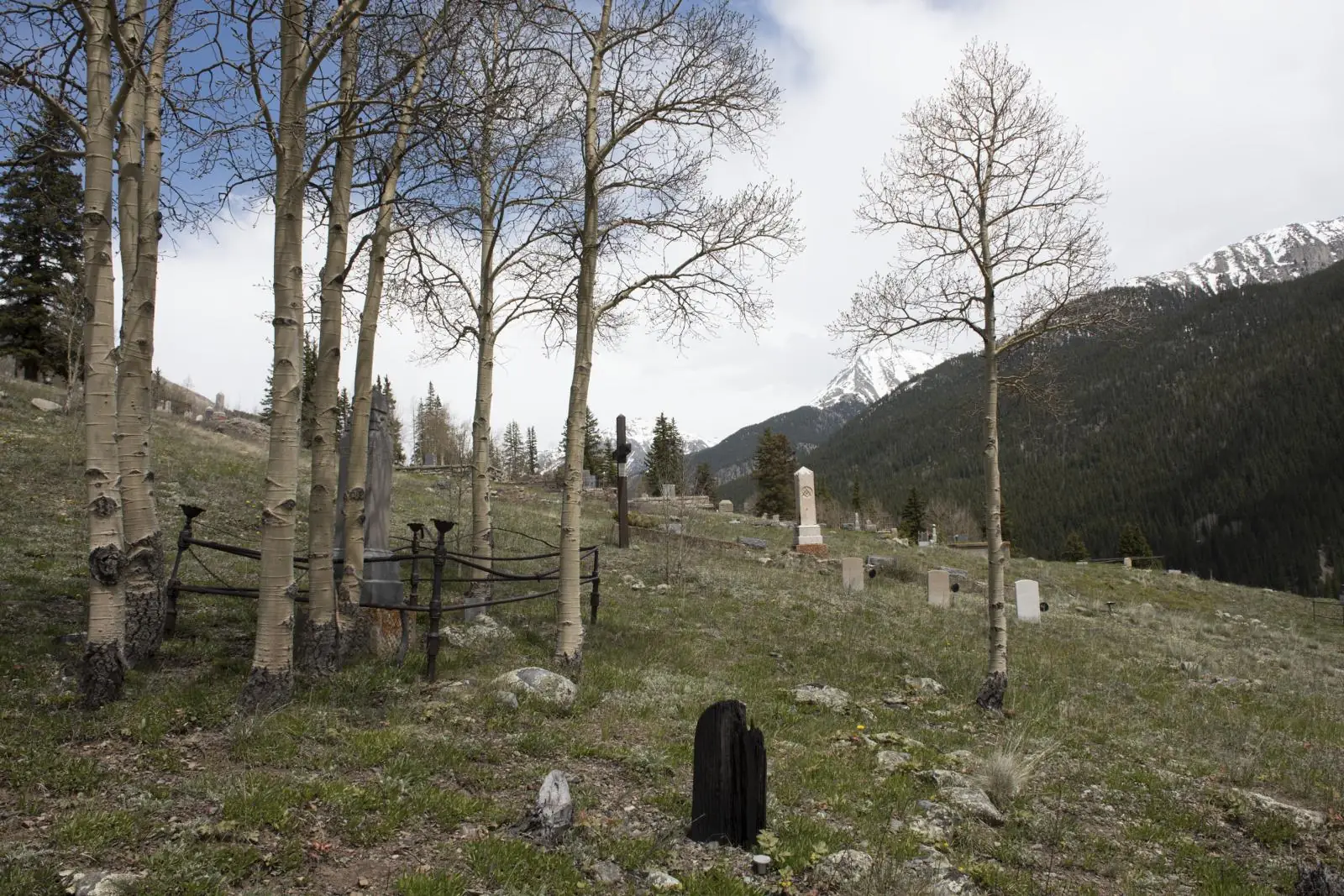
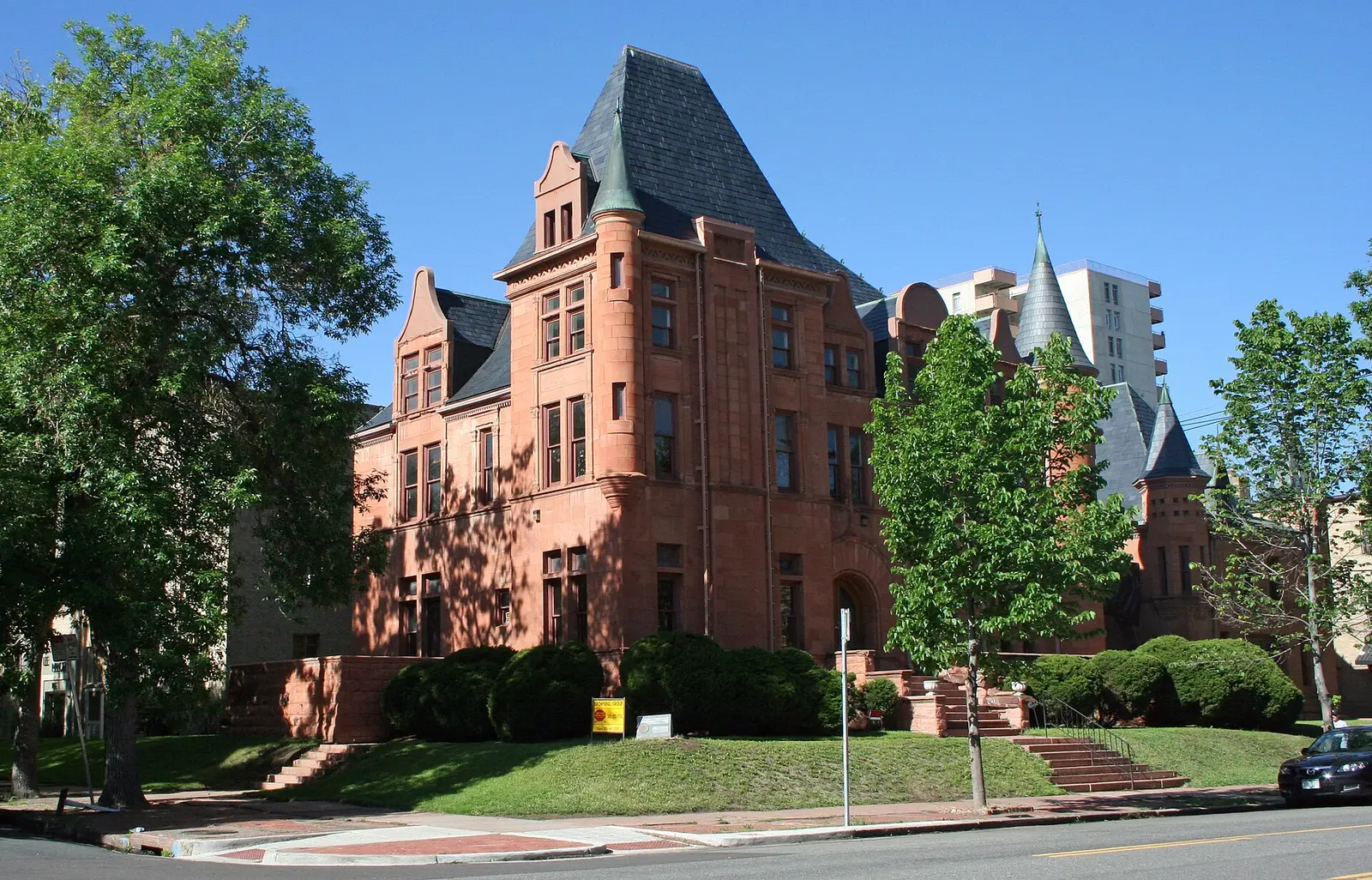
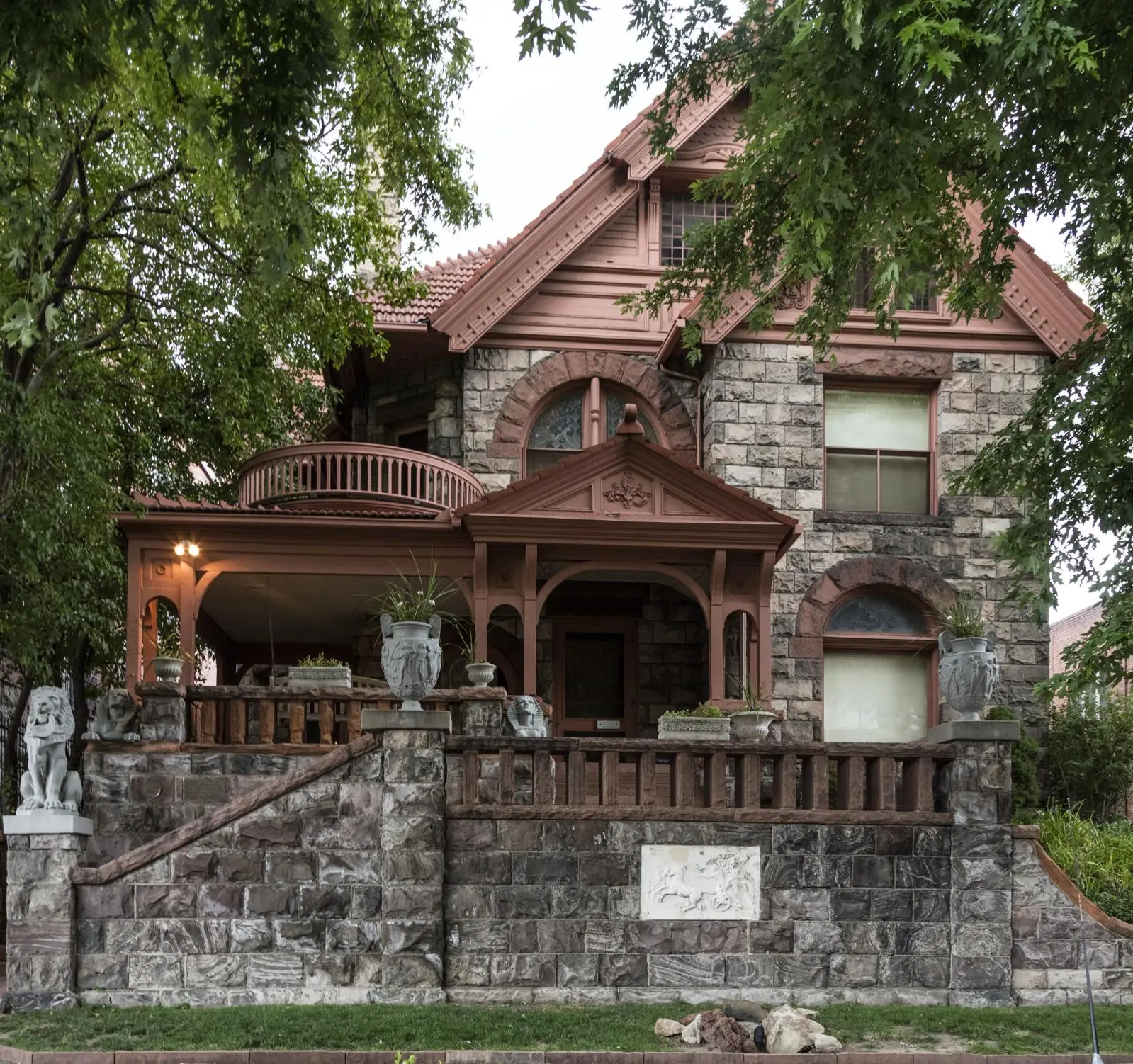
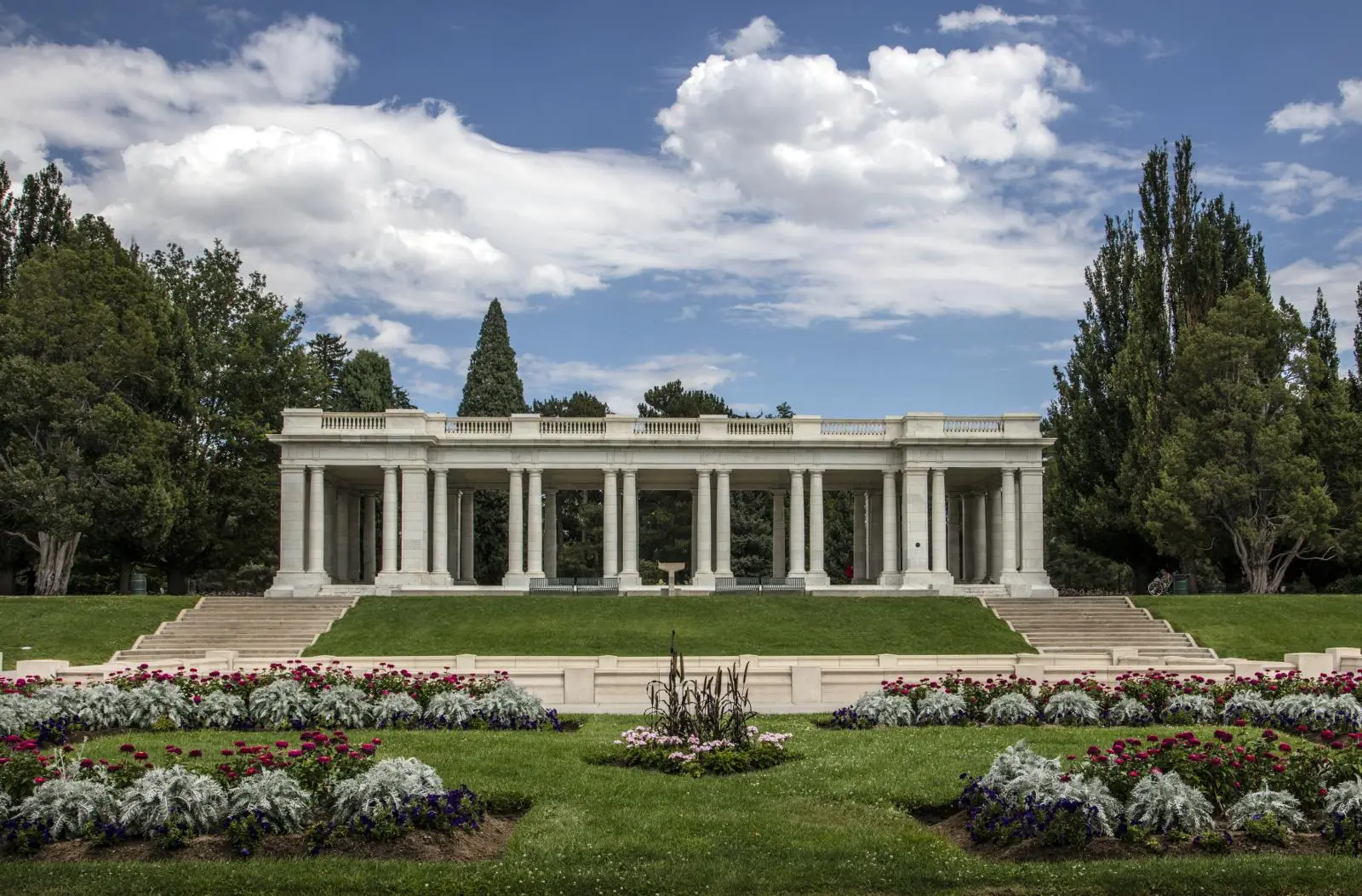
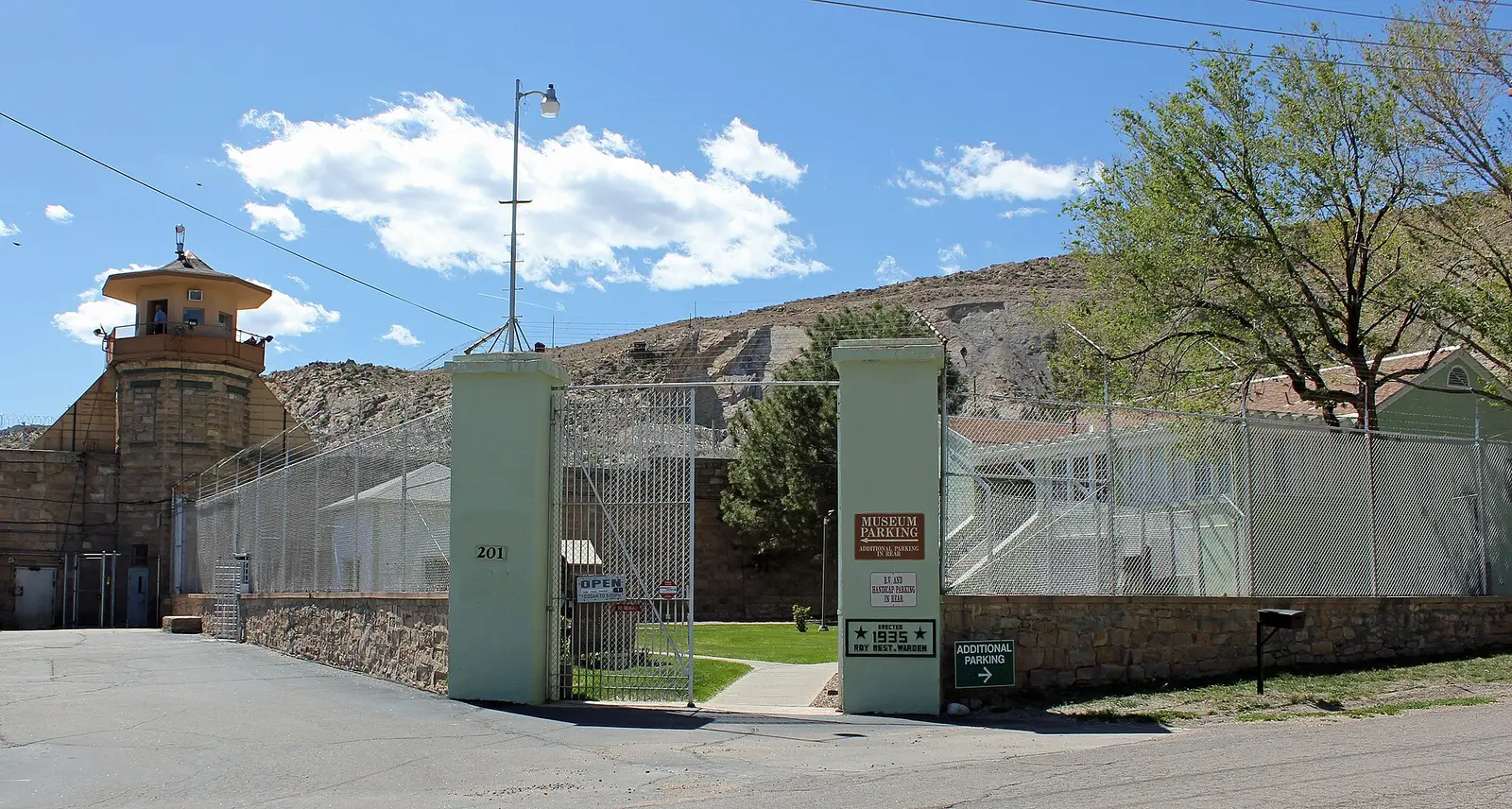
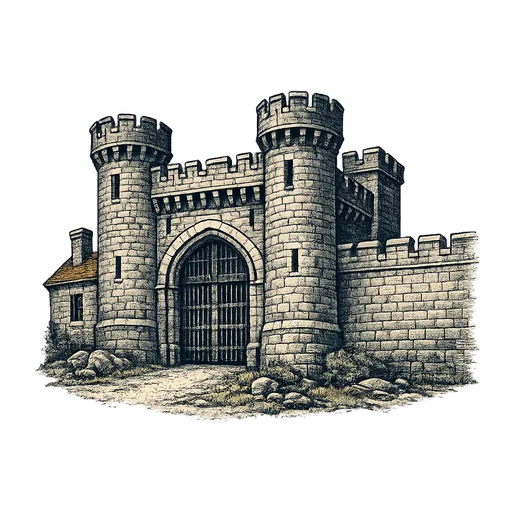
Denver's best-known ghost stories grow out of a failed move of the dead. Cheesman Park lies over the city's first cemetery, and when a contractor began moving unclaimed remains in March 1893, the work was stopped within days amid reports that bodies were being divided among several boxes; many people were left in place. Some of those who were moved went to Riverside Cemetery, founded in 1876 beside the South Platte River, which now holds more than 66,000 burials. Capitol Hill's mansions tell a different story: the sandstone Croke-Patterson-Campbell Mansion was later home to Senator Thomas Patterson, and the Molly Brown House Museum was the home of Titanic survivor and activist Margaret Brown. In Cañon City, the Museum of Colorado Prisons occupies the women's prison built in 1934-35 by incarcerated labor, which held women until 1968.
Most of what is told about these places is anonymous or comes from the people who run them. Museum staff and volunteers supply nearly all the prison museum's stories, and a historian traces most of the mansion's ghost tales to the 1970s. At the Molly Brown House the only first-person account by a named person we found comes from the museum's own director.
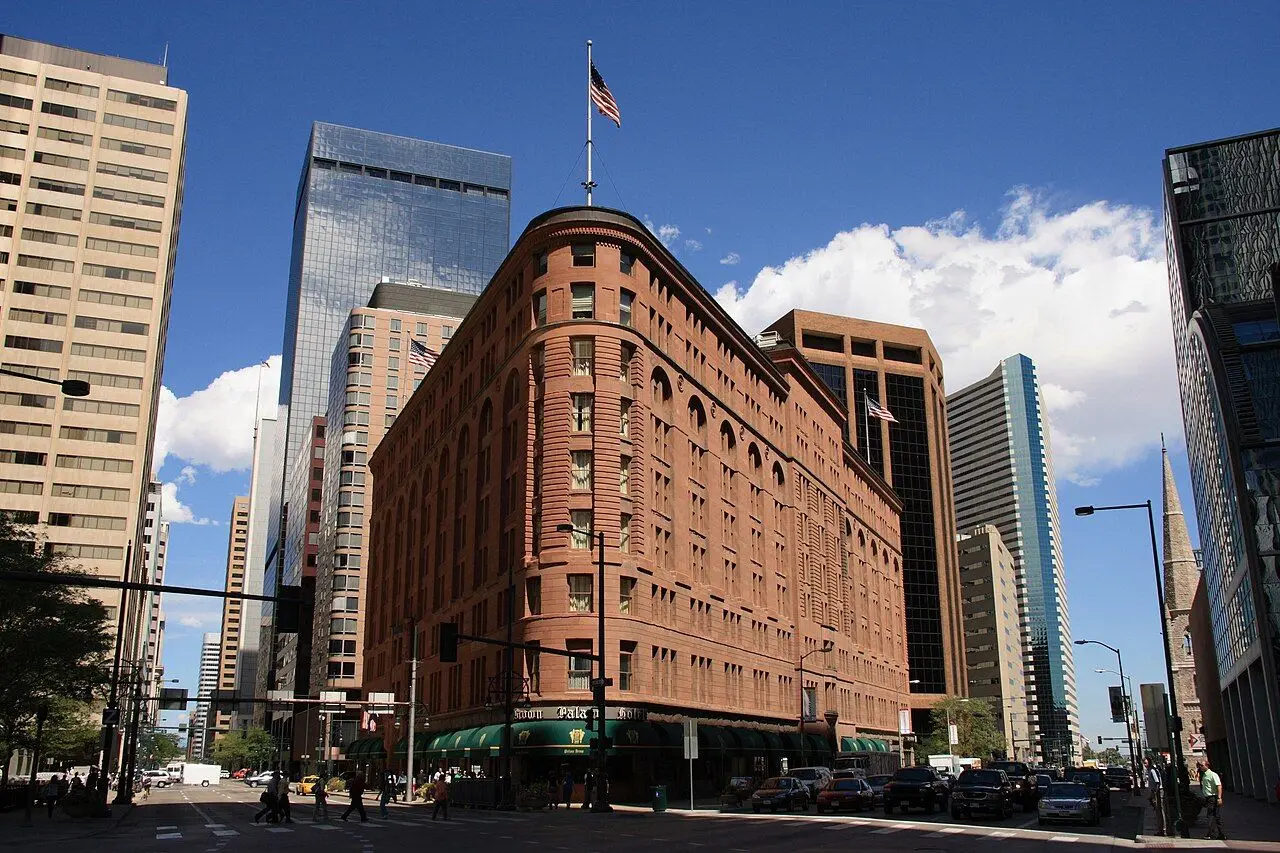
 Hotels and inns (3)
 Cemeteries (2)
 Historic houses and mansions (2)
 Prisons and jails (1)
 Nearby states