Former asylum · Louisville, KY
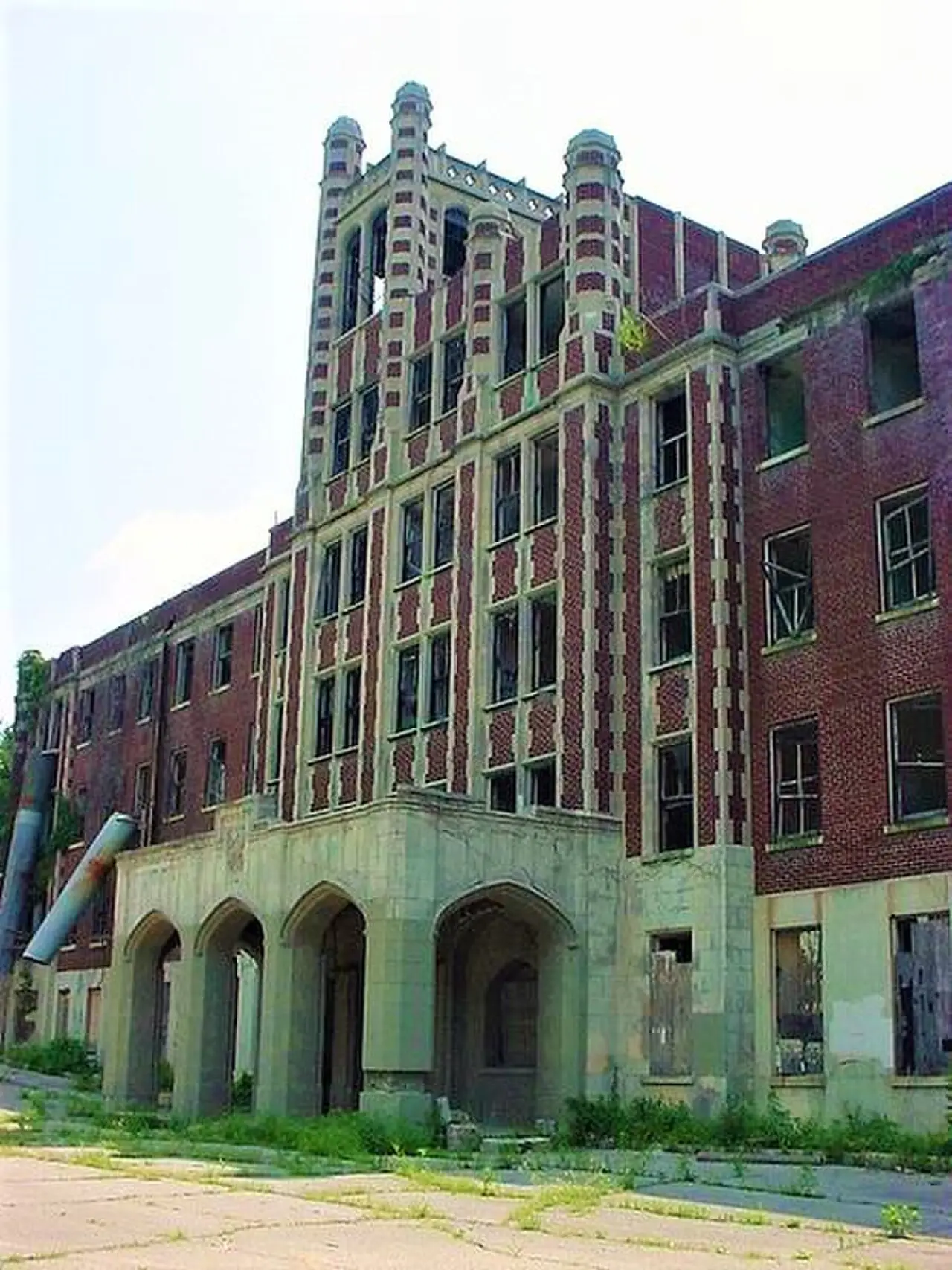
Waverly Hills Sanatorium
Shadowy figures in the long corridors, described by tour staff, a ghost-story writer and a TV investigation team.
Well DocumentedTours only
3 reported accounts · 9 sources
The stories, the history and the evidence behind 4 haunted places in Louisville, Kentucky, from cemeteries to former asylums.
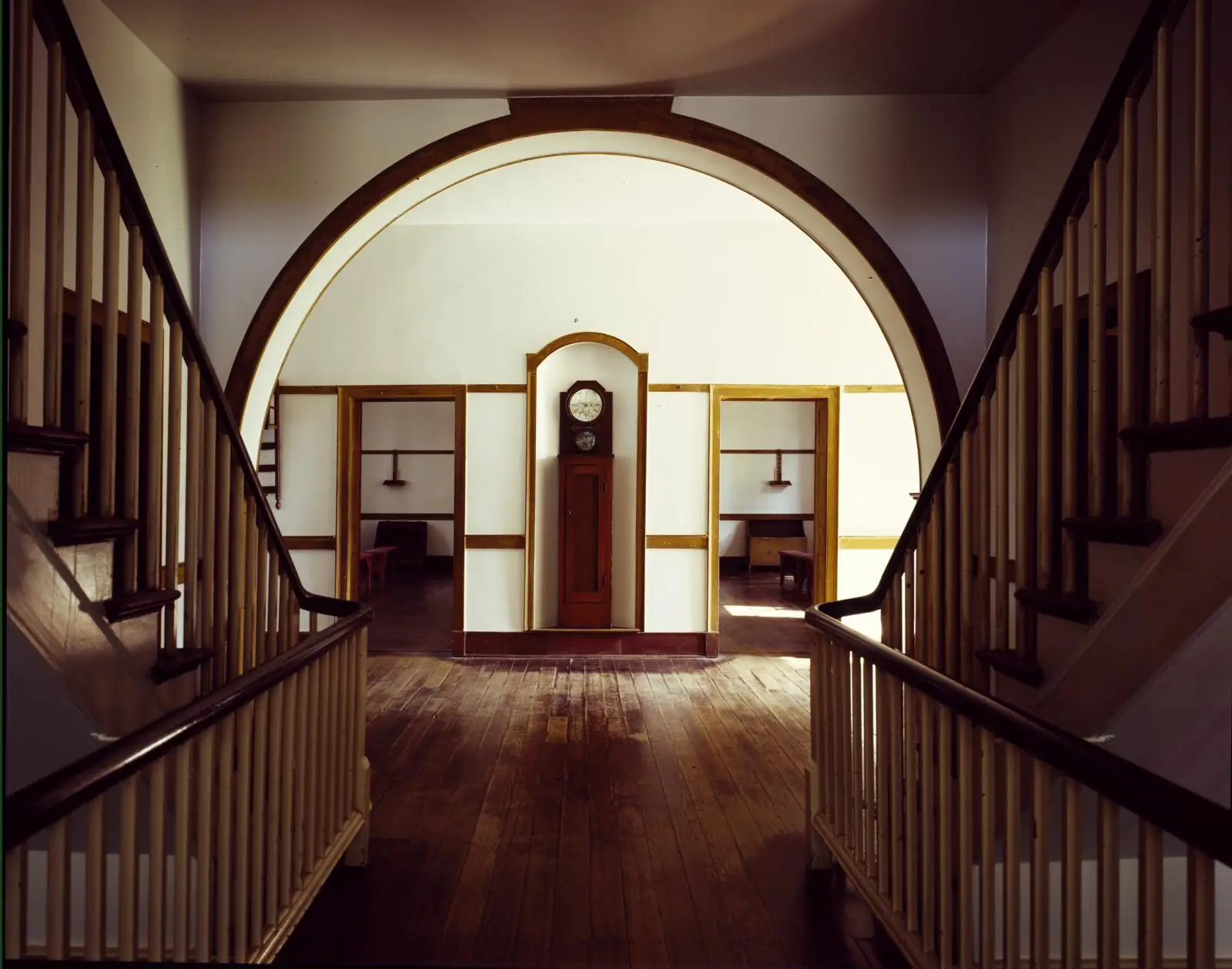
Photo: Centre House, Shaker Museum at South Union, South Union, Kentucky, Carol M. Highsmith, Library of Congress
Former asylum · Louisville, KY
Shadowy figures in the long corridors, described by tour staff, a ghost-story writer and a TV investigation team.
3 reported accounts · 9 sources
Historic house · Louisville, KY
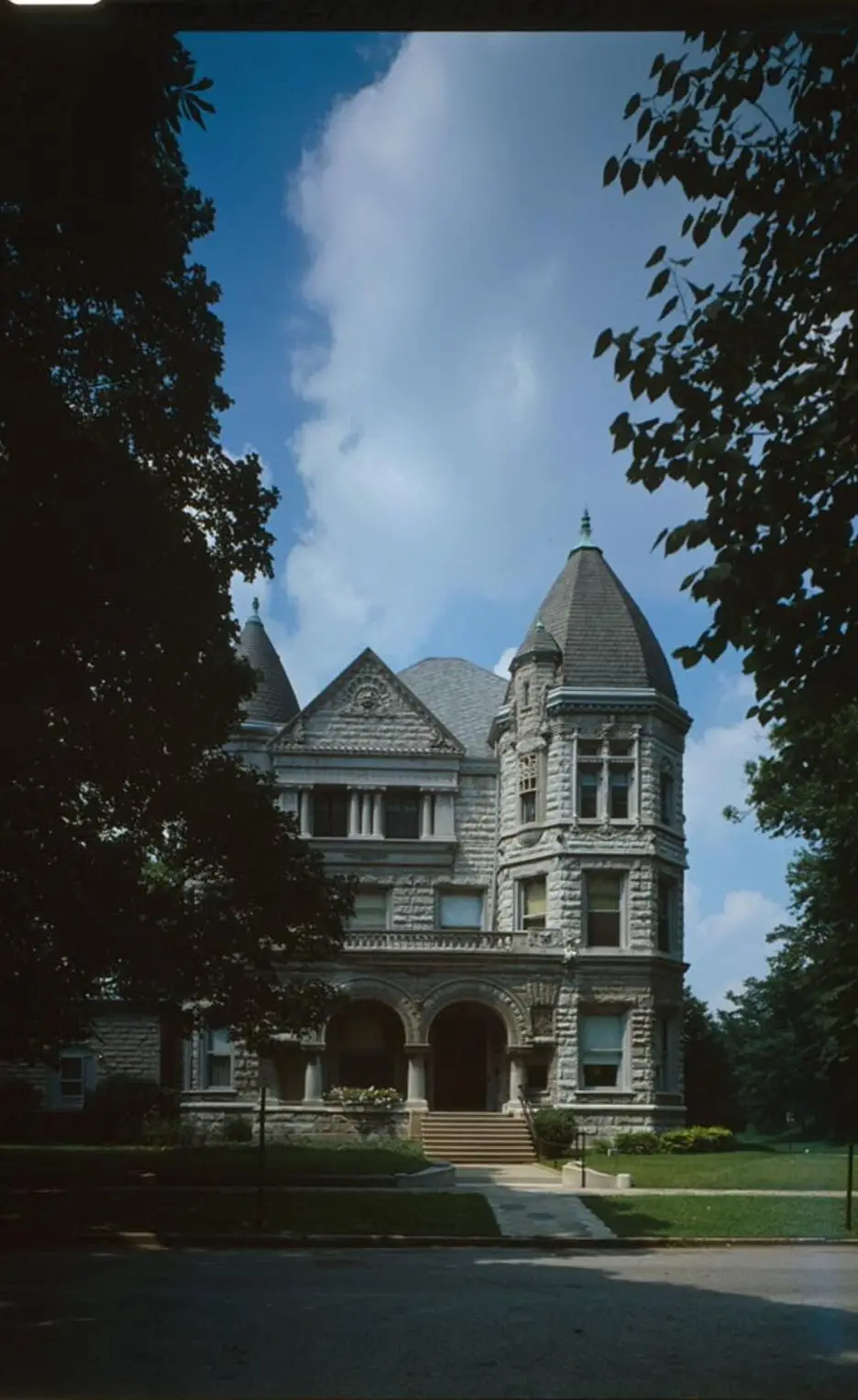
The Conrad-Caldwell House is a stone mansion of 1893–95 on St. James Court in Old Louisville, now a house museum.
3 reported accounts · 7 sources
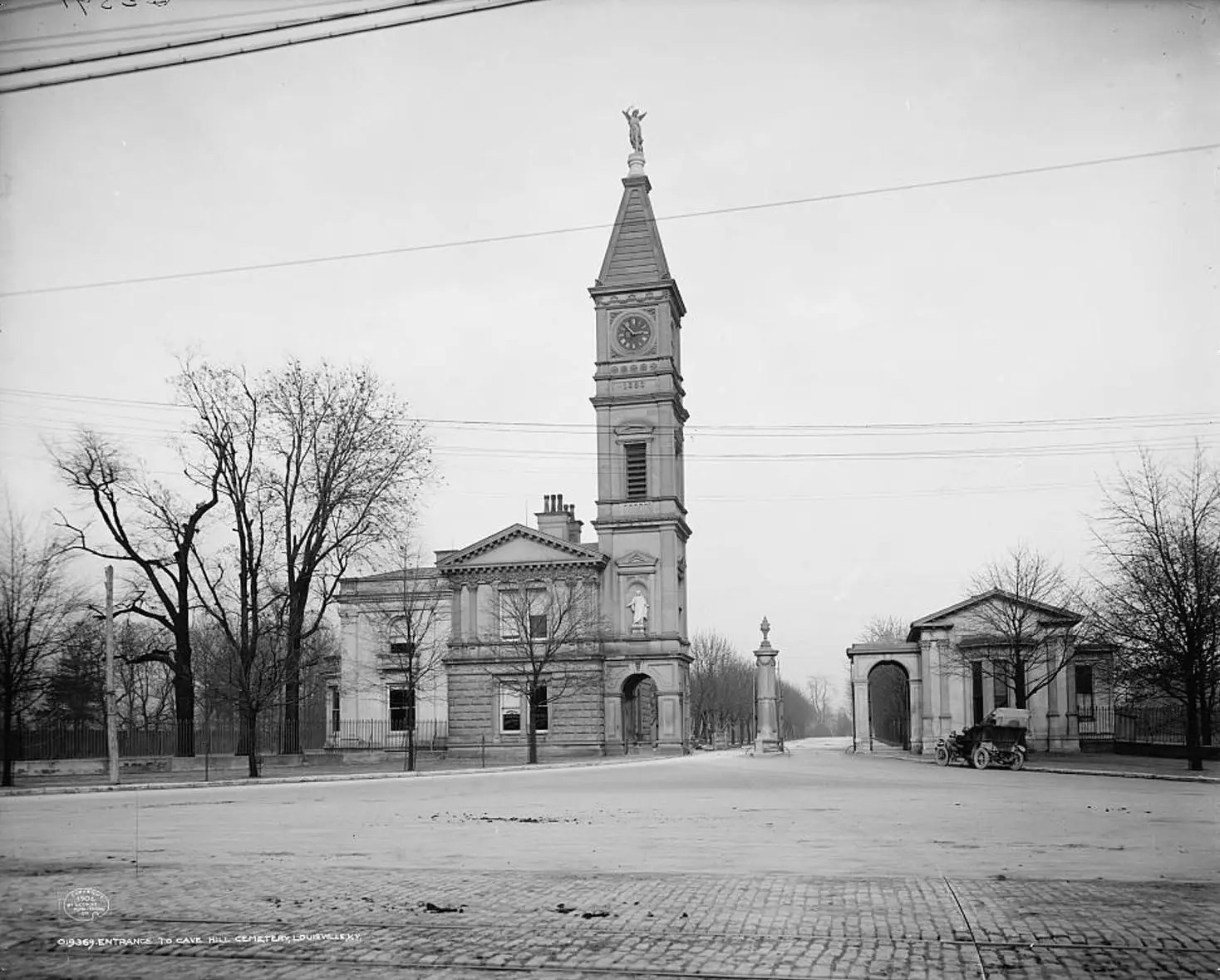
Cemetery · Louisville, KY
Cave Hill Cemetery is Louisville's great rural cemetery, dedicated in 1848 and the resting place of more than 141,000 people, including Muhammad Ali and George Rogers Clark.
2 reported accounts · 9 sources
4 places
Private and sensitive places have no pin, by design.
All of them, at least from outside. Check opening times and prices with each site before you go; we list how to visit, not hours or prices.
Please be respectful. Many of these places are historic homes, working businesses or active places of remembrance. Follow access rules, take guided tours where they’re required, and never enter private property.
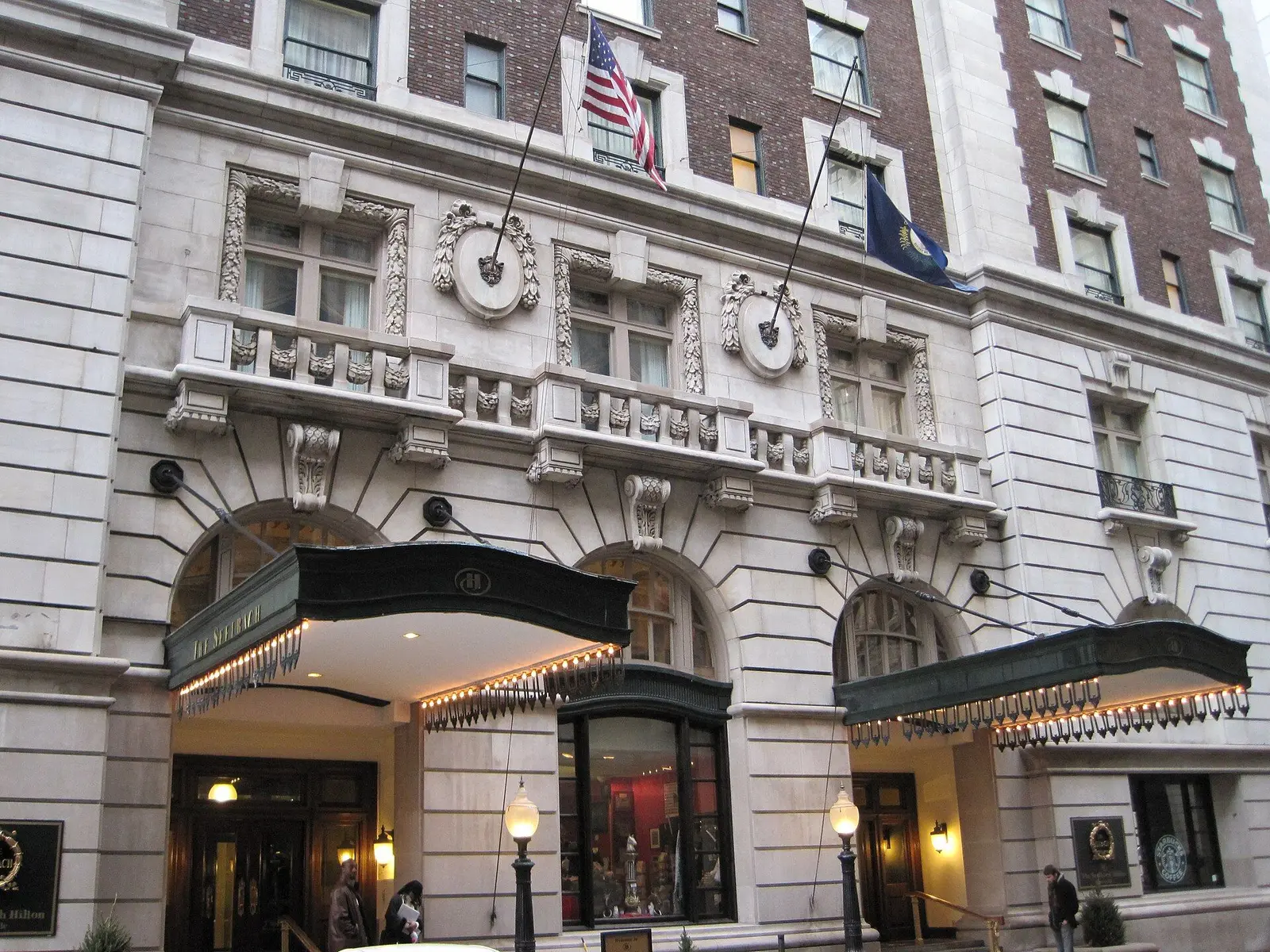
Cave Hill Cemetery, dedicated in 1848 as a park-like 'rural cemetery', now holds more than 141,000 burials, among them George Rogers Clark and Muhammad Ali. The tanner Theophilus Conrad built the stone mansion now called the Conrad-Caldwell House on St. James Court in 1893–95; from 1947 to 1987 it was a Presbyterian home for widows. Otto and Louis Seelbach opened their hotel, now The Seelbach Hilton, for the Kentucky Derby in 1905. Waverly Hills Sanatorium treated people with tuberculosis from 1910 to 1961, then was a nursing home until 1982, when the state closed it after a grand jury found abuse of residents.
The evidence varies widely. Cave Hill's ghost lore appears only in recent Halloween listicles, with no witness, and the cemetery runs history tours, not ghost tours. The Seelbach's Lady in Blue is tied to Patricia Wilson, found dead at the hotel in 1936, but records contradict the romantic story told about her, and the 1987 sightings reach us only through the hotel's historian. At the Conrad-Caldwell House, a Caldwell great-granddaughter told KET she saw balls of light. Waverly Hills has the most accounts, all from people connected with its ghost tours or ghost-hunting TV, and its often-repeated toll of 63,000 deaths has no source.
Every place here is researched from historical records, published accounts and sources you can check, with a clear assessment of the evidence and its limits.
Our research methodology