← Athens The Ridges (former Athens Lunatic Asylum)
The Ridges (former Athens Lunatic Asylum)
The former asylum, its cemeteries and its legend
Athens, Ohio
The Ridges is the former Athens State Hospital, a Kirkbride-plan psychiatric hospital that served southeastern Ohio from 1874 to 1993 and now belongs to Ohio University.
What do we know about The Ridges (former Athens Lunatic Asylum)?
The ghost stories themselves are thin: they appear in seasonal roundups and ghost-lore sites without witnesses, dates or a first source. The one named person who lived and worked there and spoke on record says he never saw a ghost.

Our rating of the reports about The Ridges (former Athens Lunatic Asylum): Unverified. A haunted reputation or legend, but no traceable account of an experience so far. The rating describes the evidence for the reports, not whether the place is haunted.
- Reported accounts
- 2
- Counted for the rating
- 0
- Research sources
- 11
Counted for the rating: independent accounts we could trace to a witness. Retellings of the same story count once, and staff passing on what visitors said aren’t counted. How we count
Reported experiences don’t establish a supernatural cause.
Read our evidence assessment →The hauntings
Accounts, encounters and stories associated with The Ridges (former Athens Lunatic Asylum).

What has been reported?
- Apparitions
- Voices
- Moving objects
- Shadow figures
- Phantom lights
Phenomena described in accounts associated with this location — not independently verified events.
Reported experiences
2 published and reported accounts, each assessed by its source.
- Apparitions
- Voices
- Moving objects
- Shadow figures
- Phantom lights
No traceable witnessReported by Unnamed visitors, per The Post (2022) and Legends of AmericaNote: No witness, date or first source is given for any of these.
Account 02 · October 29, 2019
Tom O'Grady, 2019
Tom O'Grady of the Southeast Ohio History Center, who lived and volunteered at the hospital for years, told WOUB he had never seen a ghost there and that the ghost story had overshadowed a real woman's life and her family's loss.[11]
Published accountReported by Tom O'Grady, Southeast Ohio History Center (WOUB, 2019)Read full account ›
Tom O'Grady of the Southeast Ohio History Center, who lived and volunteered at the hospital for years, told WOUB he had never seen a ghost there and that the ghost story had overshadowed a real woman's life and her family's loss.[11]
Legends & disputed stories
Stories told about the place that the records don’t confirm.
- Legend
The stain became the center of a ghost legend: that the patient's outline cannot be removed and that her ghost is seen at the window or wandering the building at night.[9][10]
What the research shows: No named witness; the study above explains the stain. Popular versions add details (a hide-and-seek game, a room locked from the inside) that the records do not support.
Before you go
Planning a visit?
Open to visitors
Parts of the inside are open to the public.
Access details ›
The main building (Lin Hall) houses the Kennedy Museum of Art, which says admission is always free. Other buildings are in university use and are not open as attractions; the cemeteries are burial grounds of former patients and should be visited respectfully.
Entry
Free (checked)
Access last checked November 16, 2026. Confirm times and prices before you travel.
The history of The Ridges (former Athens Lunatic Asylum)
The Ridges is the former Athens State Hospital, a Kirkbride-plan psychiatric hospital that served southeastern Ohio from 1874 to 1993 and now belongs to Ohio University. Its ghost lore centers on a floor stain left after a patient died in a disused wing in 1979; a forensic study explained the stain. Most other stories have no named witness. The Kennedy Museum of Art in the main building is free.
- Established
- 1868–1873
- Also known as
- Athens Lunatic Asylum
A hospital on the hill
The Ridges is the former Athens Lunatic Asylum, later Athens State Hospital, on a hill across the Hocking River from Ohio University. Ohio chose the site in 1867. The main building, designed by Levi T. Scofield on the Kirkbride Plan, went up between 1868 and 1873, and the first patients arrived in January 1874. The institution changed its name at least ten times. Its patients also worked the hospital farm, which grew to more than 1,000 acres, until patient labor ended in 1972.
As treatment changed, patient numbers fell from about 1,800 in the 1950s to about 200 by 1985. The state handed the site to Ohio University, and the last patients moved to a nearby facility in 1993. The old administration building, now Lin Hall, houses the Kennedy Museum of Art.
The cemeteries
More than 1,900 patients whose families did not claim them are buried on the grounds, under stones that once carried only numbers. Volunteers from the National Alliance on Mental Illness have repaired markers and added names. The cemeteries belong to the history of the people who lived here, not to its ghost stories.
The death behind the legend
In the winter of 1978–79 a woman who had walked away from an open ward was found more than a month later in a disused wing. The autopsy found she had died of natural causes. In 2008 Ohio University chemists showed that the body-shaped mark on the floor was a decomposition stain made more visible by an acidic cleaner, not an image fixed by sunlight.
The stories
That stain is the heart of The Ridges' ghost lore: the outline that will not go away, and a figure at the window. Seasonal roundups add voices, screams, moving objects and lights in the cemeteries, but give no witnesses or dates. Tom O'Grady, who lived and volunteered at the hospital for years, told WOUB he never saw a ghost there and that the legend had overshadowed a real woman's life.
Through the years
1868–1993
1868–1993
The institution had at least ten official names, from Athens Lunatic Asylum to Athens State Hospital (1894–1968) and finally Athens Mental Health Center.[1]
1972
Patient farm labor ends
The hospital ran a farm of more than 1,000 acres by the 1930s; patients worked on it until the practice of patient labor ended in 1972.[2]
1979
1979
The main building follows the Kirkbride Plan, a central block with stepped wings; in 1979 it was described as one of three surviving Kirkbride buildings in Ohio.[2]
1979
Death of a patient in a disused wing
In the winter of 1978–79 a woman who had walked away from an open ward was found more than a month later on the floor of a disused wing. The autopsy found she had died of natural causes.[7][8]
Caveat: The Post (2003) says she 'apparently starved'; the university release says natural causes, which we follow. We have not seen the coroner's record.
1993
Last patients leave
Patient numbers fell from about 1,800 in the 1950s to about 200 by 1985. The state transferred the site to Ohio University, and the last patients moved to the nearby Appalachian Behavioral Healthcare facility in 1993.[4]
Caveat: Ohio University gives 1988 for the transfer in its timeline but 'early 1990s' in its introduction.
2008
Forensic study of the floor stain
A 2008 Ohio University study published in the Journal of Forensic Sciences found that the body-shaped mark on that floor is a decomposition stain made more visible by an acidic floor cleaner used on it, and rejected the…
Read more ›
A 2008 Ohio University study published in the Journal of Forensic Sciences found that the body-shaped mark on that floor is a decomposition stain made more visible by an acidic floor cleaner used on it, and rejected the claim that sunlight had 'printed' an image.[8]
Also recorded
The grounds hold the hospital's cemeteries, where more than 1,900 patients whose bodies were not claimed by family were buried under stones marked only with numbers. Volunteers from the National Alliance on Mental Illness have repaired markers and added names and dates.[2][6]
Caveat: Sources differ on the number of cemeteries and burials; the 1979 NRHP form describes one cemetery on Reservoir Hill with 'very small stones'.
The research conclusion

Why it has this rating
No traceable account of an experience: ghost roundups describe figures and voices without naming witnesses, and the one named local historian on record says he never saw a ghost there. The well-known floor stain has a documented explanation from a 2008 forensic study, so it isn't counted as anything unexplained.
Read the full written assessment ›
The hospital's history is well recorded in its 1979 National Register nomination and Ohio University's archives. The 1979 death behind the best-known legend is real; the university's account says the autopsy found natural causes, and a 2008 peer-reviewed study explained the stain.
The ghost stories themselves are thin: they appear in seasonal roundups and ghost-lore sites without witnesses, dates or a first source. The one named person who lived and worked there and spoke on record says he never saw a ghost.
The sources behind the story
11 research references support this entry.

1Ohio University Libraries, Mahn Center for Archives and Special CollectionsAthens Mental Health Center (digital collection) Archive or collection · Reference 01
Athens Mental Health Center (digital collection). Ohio University Libraries, Mahn Center for Archives and Special Collections.
University archive description of the hospital records (74 cubic feet). Authoritative for construction dates (1868–1873), the ten official names of the institution and the redaction of patient information.
Accessed November 16, 2026.
2Heritage Conservation and Recreation Service (National Park Service); National Archives CatalogNational Register of Historic Places Inventory–Nomination Form: Athens State Hospital Register or nomination · Reference 02
Lois J. Rock, Southern Ohio Regional Preservation Officer, National Register of Historic Places Inventory–Nomination Form: Athens State Hospital. Heritage Conservation and Recreation Service (National Park Service); National Archives Catalog, 1979.
Primary register document (prepared July 1979, listed March 11, 1980). Authoritative for construction dates, architects, plan, the patient farm and the cemetery as it stood in 1979. Says nothing about ghost stories.
Accessed November 16, 2026.
3Ohio UniversityLin Hall / Kennedy Museum (Building Directory) Official or site history · Reference 03
Lin Hall / Kennedy Museum (Building Directory). Ohio University.
Official building entry: identifies Lin Hall (the former administration building) as the home of the Kennedy Museum of Art, says the hospital opened January 9, 1874, explains the Henry Lin name and gives the address and map coordinates (Directions link).
Accessed November 16, 2026.
4Ohio UniversityThe Ridges: History Official or site history · Reference 04
The Ridges: History. Ohio University.
Owner's history page. Gives the 1874 opening, the decline in patient numbers, the 1988 transfer and the 1993 move of the last patients. Its own intro says 'early 1990s' for the acquisition, so dates of transfer are slightly inconsistent; it contains a typo dating the cornerstone to '1968'.
Accessed November 16, 2026.
5Ohio University, Kennedy Museum of ArtVisit the Kennedy Museum of Art Official or site history · Reference 05
Visit the Kennedy Museum of Art. Ohio University, Kennedy Museum of Art.
Official visitor page checked 2026-11-16: states the museum is in Lin Hall at 100 Ridges Circle and that admission is always free.
Accessed November 16, 2026.
6OHIO Archives blog, Ohio University LibrariesInfographics and Exhibit Inspired by the Athens Asylum Archive or collection · Reference 06
Greta Suiter, Infographics and Exhibit Inspired by the Athens Asylum. OHIO Archives blog, Ohio University Libraries, 2025-11-06.
University archivist's post. States that the grounds hold three cemeteries with over 1,900 patients whose bodies were unclaimed, marked only by numbers, and describes NAMI volunteers restoring markers and adding names. Does not give dates of use.
Accessed November 16, 2026.
7The Post (Ohio University student newspaper)Reporter uncovers true story behind The Ridges and ... Newspaper · Reference 07
Reporter uncovers true story behind The Ridges and .... The Post (Ohio University student newspaper), 2003.
Student newspaper feature drawing on university archivist Doug McCabe and on Post articles from 1978–79. Confirms the death was reported in January 1979 and separates it from later embellishments; author unnamed.
Accessed November 16, 2026.
8Ohio University (news release, republished by Phys.org)Forensic chemists verify human remains from fat deposits Other source · Reference 08
Forensic chemists verify human remains from fat deposits. Ohio University (news release, republished by Phys.org), 2008-11-03.
University release on a peer-reviewed study (Journal of Forensic Sciences, 2008) led by Glen Jackson. The best accessible account of what records say about the 1979 death and the floor stain; does not name the patient. The journal article itself was not consulted.
Accessed November 16, 2026.
9Legends of AmericaHaunted Athens Asylum for the Insane, Ohio Website · Reference 09
Kathy Alexander, Haunted Athens Asylum for the Insane, Ohio. Legends of America, 2026.
Popular ghost-lore site (updated July 2026). Lists the reported phenomena attributed to anonymous visitors, with no named witnesses or primary sources. Cited only as a place the stories are published.
Accessed November 16, 2026.
10The Post (Ohio University student newspaper)The most haunted places in the Athens area Newspaper · Reference 10
Alicia Szczesniak, The most haunted places in the Athens area. The Post (Ohio University student newspaper), 2022-10-24.
Seasonal roundup that repeats the legends (including a hide-and-seek version of the 1979 death) without sources or named witnesses. Cited only as where the generic stories are published.
Accessed November 16, 2026.
11WOUB Public MediaThe legends behind the ghosts of Athens Television or radio · Reference 11
Jessica Jones, The legends behind the ghosts of Athens. WOUB Public Media, 2019-10-29.
Public media report quoting Tom O'Grady (Southeast Ohio History Center), who lived and volunteered at the hospital, saying he has never seen a ghost there and criticizing the way the ghost story overshadows the patient's life.
Accessed November 16, 2026.
More haunted places
Explore nearby
Similar places
Also a former asylum · also reported: shadow figures
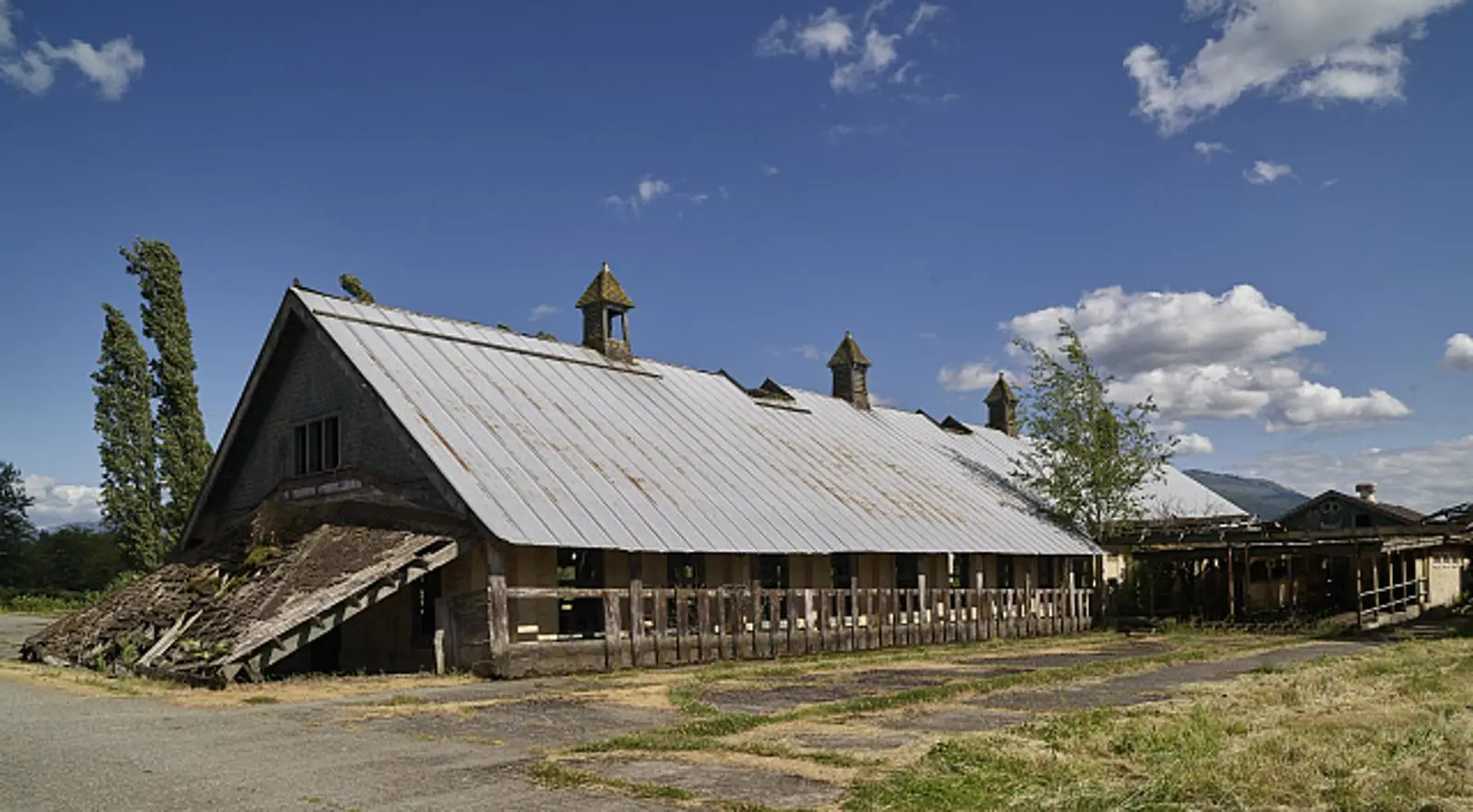
Former asylum · Sedro-Woolley, WA
Northern State Hospital site
Northern State Hospital was Washington's farm-based psychiatric hospital near Sedro-Woolley, open from 1912 to 1973.
UnverifiedOutside onlyAlso a former asylum · also reported: shadow figures
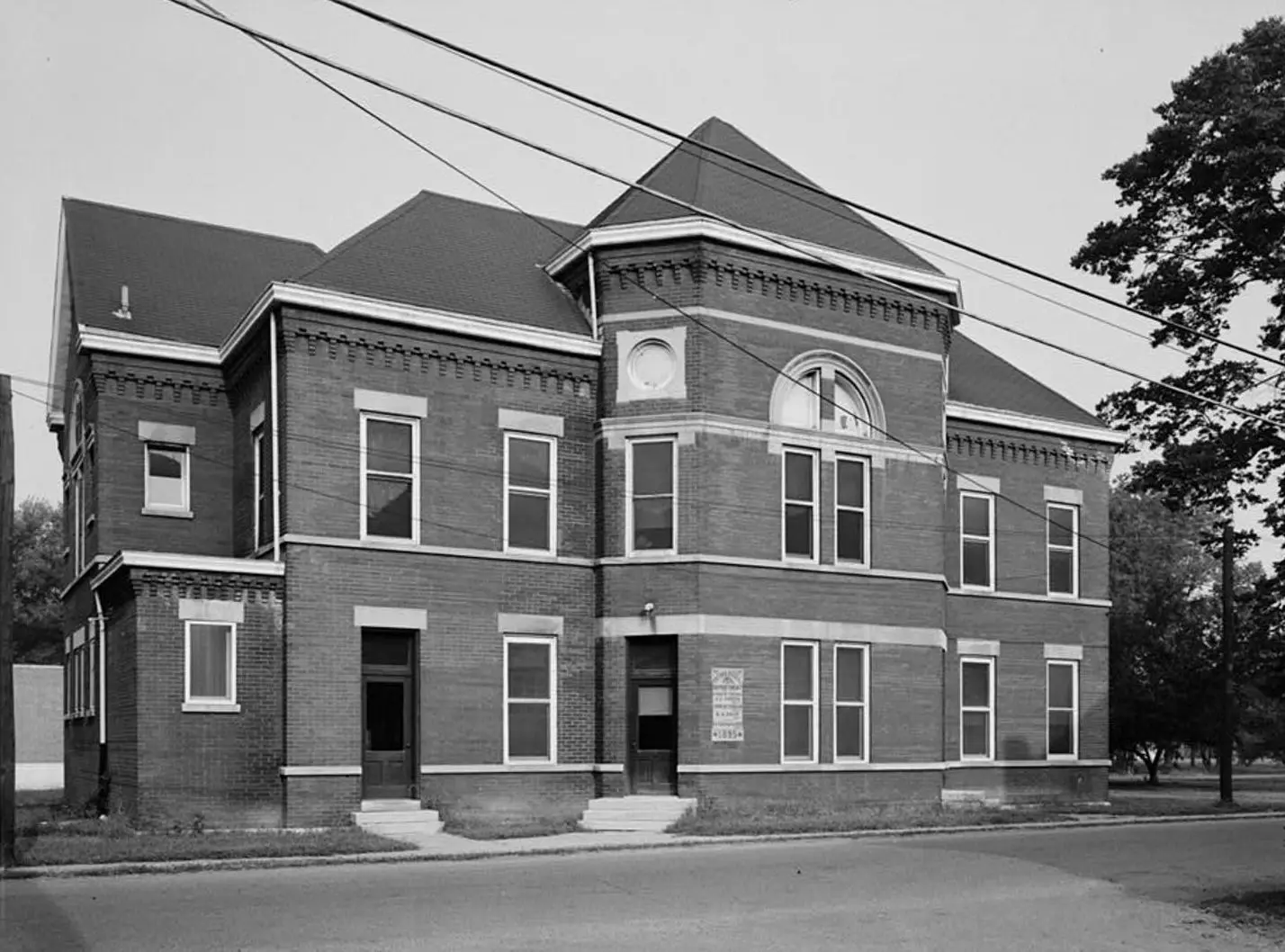
Former asylum · Indianapolis, IN
Central State Hospital and the Indiana Medical History Museum
Central State Hospital was Indiana's first state psychiatric hospital, open from 1848 to 1994 on Indianapolis's west side.
Documented AccountsTours onlyAlso a former asylum · also reported: phantom lights, shadow figures
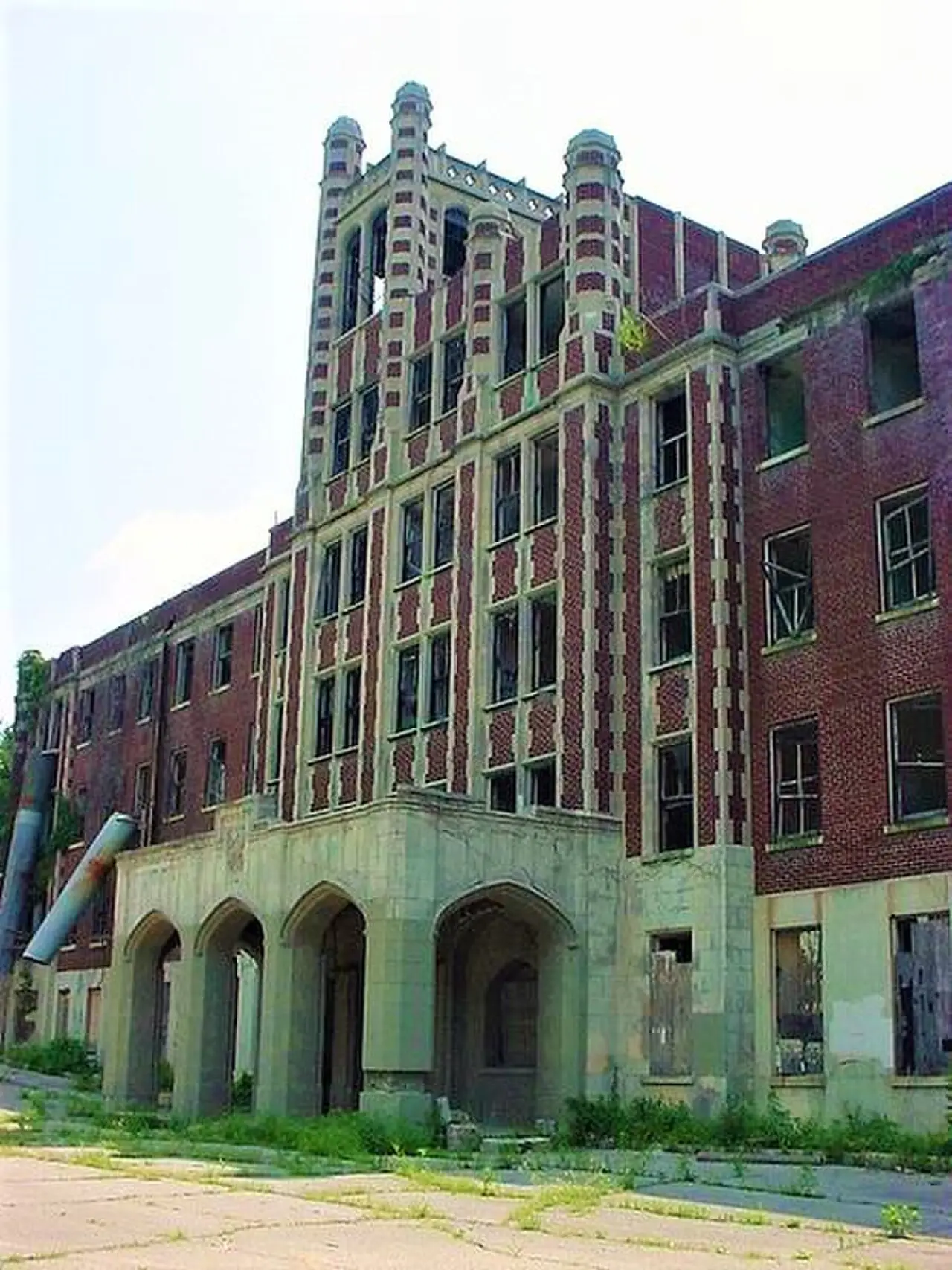
Former asylum · Louisville, KY
Waverly Hills Sanatorium
Shadowy figures in the long corridors, described by tour staff, a ghost-story writer and a TV investigation team.
Well DocumentedTours onlyAlso a former asylum · also reported: phantom lights, shadow figures
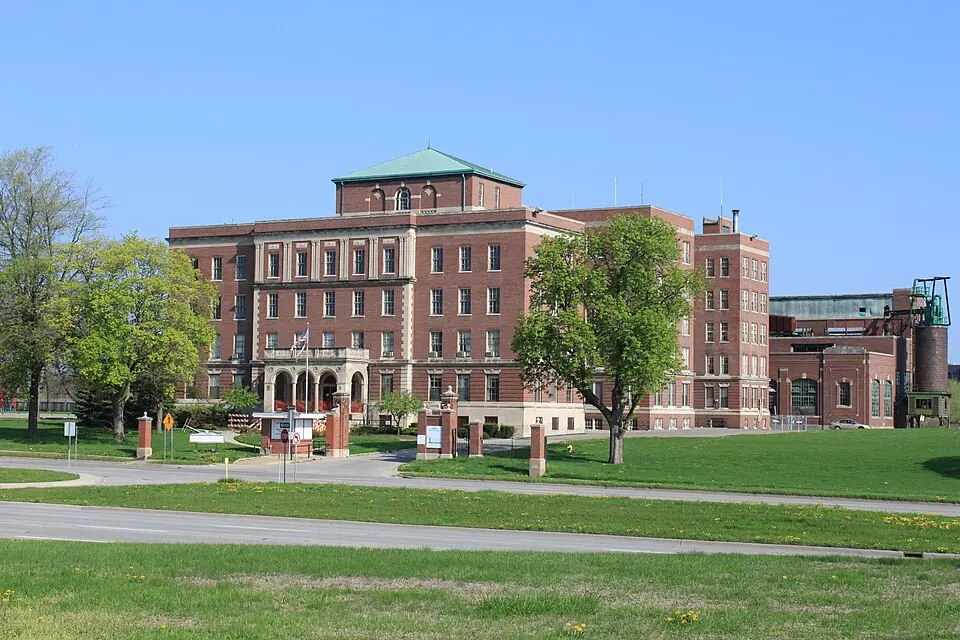
Former asylum · Westland, MI
Eloise
Eloise was Wayne County's poorhouse and later a vast hospital complex in Westland, where about 10,000 people lived at its peak.
Documented AccountsTours only