← New York Rolling Hills Asylum
Rolling Hills Asylum
The Genesee County Poorhouse and its ghost stories
New York
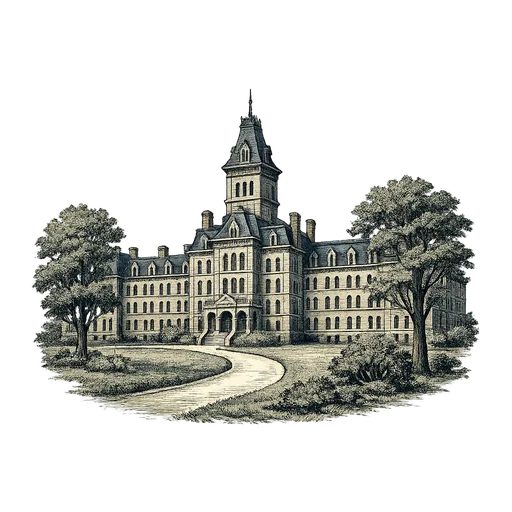
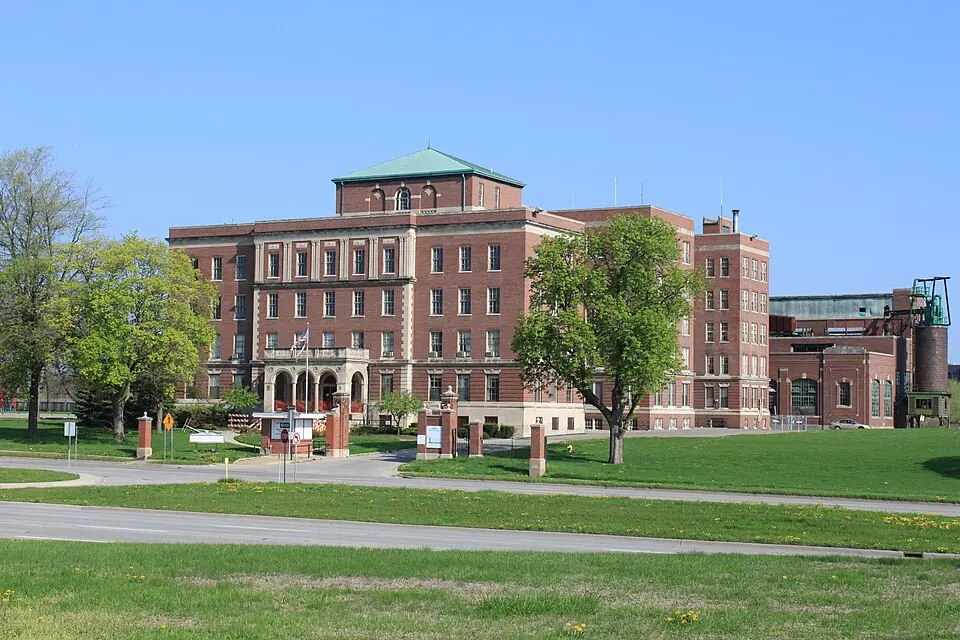
Rolling Hills Asylum in East Bethany is the former Genesee County Poorhouse, which opened in 1827 and, as a county home and nursing home, cared for poor, elderly and disabled people until 1974.
What do we know about Rolling Hills Asylum?
The ghost evidence comes from two traceable sources: the attraction's own operator and staff, which count as one origin, and a 2018 investigation by the Ghost Research Society, whose members reported footsteps and shadowy figures. Recordings, spirit boxes, orb photos and feelings of dizziness are recorded but not counted, and death totals quoted by ghost-tourism sources are not confirmed by the county.
Our rating of the reports about Rolling Hills Asylum: Documented Accounts. At least one traceable published or first-hand account of an unexplained experience. We check that the reports exist, not the supernatural. The rating describes the evidence for the reports, not whether the place is haunted.
- Reported accounts
- 3
- Counted for the rating
- 1
- Research sources
- 8
Counted for the rating: independent accounts we could trace to a witness. Retellings of the same story count once, and staff passing on what visitors said aren’t counted. How we count
Reported experiences don’t establish a supernatural cause.
Read our evidence assessment →The hauntings
Accounts, encounters and stories associated with Rolling Hills Asylum.

What has been reported?
- Doors
- Apparitions
- Smells
- Voices
- Music
- Moving objects
- Footsteps
- Shadow figures
- Cold spots

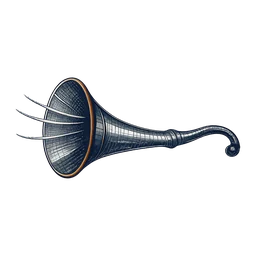
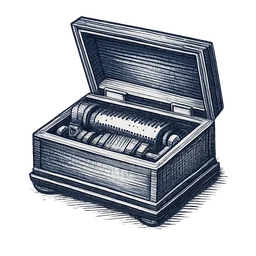
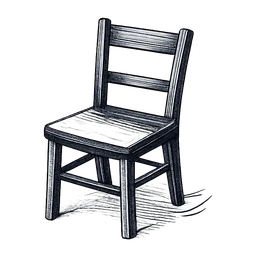
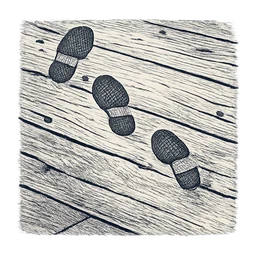
Phenomena described in accounts associated with this location — not independently verified events.
Reported experiences
3 published and reported accounts, each assessed by its source.
Account 01 · October 15, 2025
The attraction's owner and staff, 2025
The attraction's owner and staff describe visitors hearing their names called, whispering, giggling and music, smelling cookies, meatloaf or liniment, a loud door slam, a man in a suit seen in a doorway, and a book that lifted and slammed down.[6][4]
- Doors
- Apparitions
- Smells
- Voices
- Music
- Moving objects
Published accountReported by The attraction's owner and staff (via WIVB and the attraction's website)Note: From the business that sells the ghost hunts; counted as one origin, mostly without dates or named witnesses.
Account 02 · 2018
Dale Kaczmarek and members of the Ghost Research Society, 2018
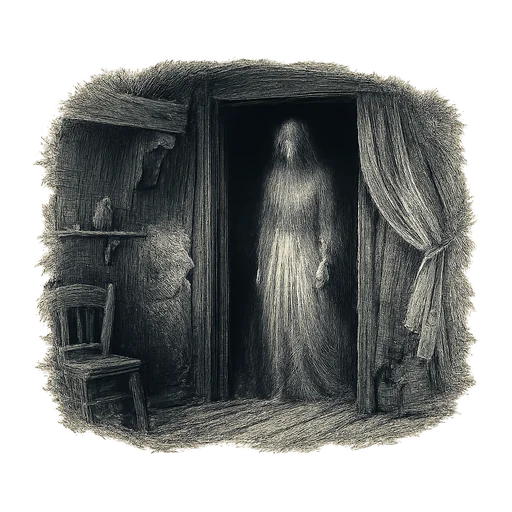
During an investigation on August 10, 2018, members of the Ghost Research Society reported hearing footsteps on the top floor and in a hallway when no one was there, and seeing a shadow figure on a basement wall and a figure inside a closet.[7]
- Footsteps
- Shadow figures
Published accountReported by Dale Kaczmarek and members of the Ghost Research SocietyNote: Published by the investigating group itself; its leader was unsure whether a swinging suit nearby was paranormal.
Read full account ›
During an investigation on August 10, 2018, members of the Ghost Research Society reported hearing footsteps on the top floor and in a hallway when no one was there, and seeing a shadow figure on a basement wall and a figure inside a closet.[7]
- Cold spots
- Voices
No traceable witnessNote: Device output and vague sensations; not counted as accounts of an experience.
Before you go

Planning a visit?
Tours only
Visits are by guided tour or organized event.
Access details ›
The former county home is now a privately owned, paid ghost attraction, open only for ticketed tours, ghost hunts and events bought in advance; its marketing is not evidence. The grounds are private: don't visit outside booked events. Remember that real people lived and died here.
Entry
Paid entry
Access last checked November 17, 2026. Confirm times and prices before you travel.
The history of Rolling Hills Asylum
Rolling Hills Asylum in East Bethany is the former Genesee County Poorhouse, which opened in 1827 and, as a county home and nursing home, cared for poor, elderly and disabled people until 1974. It is now a private paid ghost attraction. Its owner describes voices and smells, and in 2018 the Ghost Research Society reported footsteps and a shadow figure. Visits are by ticket only.
- Established
- 1826–1827
- Also known as
- Genesee County Poorhouse
The county poorhouse
New York passed a law in 1824 for county poorhouses, and on December 4, 1826, the Genesee County supervisors chose a brick building near Bethany Center Road, a former stagecoach tavern at the county's center. It opened on January 1, 1827. Those eligible included people with no income, people who were blind, disabled or elderly, people with mental illness, and widows and their children. In 1828 the county added a stone building where people judged insane were confined; from 1887 people with acute mental illness were sent to state hospitals instead. In 1871 the county recorded 146 people in its care, and the working farm supplied food and fuel.
The county buried people who had no family to claim them, but no cemetery register or plot map has been found. In 2004 the county historians dedicated a memorial in Genesee County Park to everyone who died while living at the county home between 1827 and 1974, with five unused headstones from the 1880s. The building later became the county infirmary and then a nursing home, which closed in 1974 when residents moved to Batavia.
A ghost attraction
Since 2009 the property has been run privately as Rolling Hills Asylum, a paid ghost attraction. In 2016 the William G. Pomeroy Foundation and the New York Folklore Society placed a Legends and Lore marker calling it a nationally known center of supernatural activity.
The owner has told reporters that visitors hear their names called, whispering, giggling and music, and smell cookies or liniment; the attraction's website describes a slammed door, a man in a suit in a doorway and a book that lifted and fell. These come from the business, so we treat them as one source.
On August 10, 2018, a team from the Ghost Research Society, led by Dale Kaczmarek, reported hearing footsteps on the top floor and in a hallway with no one there, and seeing a shadow figure on a basement wall and a figure inside a closet. Their recordings and device results are not counted here.
Through the years
1828
1828
In 1828 the county added a stone building where people judged insane were confined; from 1887 people with acute or chronic mental illness were sent to state hospitals instead.[2]
1871
1871
The poorhouse took in people with no income, people who were blind, disabled or elderly, people with mental illness, and widows and their children; in 1871 the county recorded 146 people in its care, supported by a working farm and woods.[2]
1974
County home closes
The county infirmary was added in 1938 and the building became the Genesee County Nursing Home in 1964; it closed in 1974, when residents moved to a new facility in Batavia.[3][2][4]
Caveat: The 1938 and 1964 dates come from the operator and a tourism listing; the county historian confirms the 1974 closure.
2004
Memorial to residents dedicated
The county buried people who died at the county home with no family to claim them, but no cemetery register or plot map has been found; in 2004 the county historians dedicated a memorial in Genesee County Park…
Read more ›
The county buried people who died at the county home with no family to claim them, but no cemetery register or plot map has been found; in 2004 the county historians dedicated a memorial in Genesee County Park to those who died while living there between 1827 and 1974.[2]
The research conclusion

Why it has this rating
One traceable account: Ghost Research Society members reported footsteps and shadow figures during a 2018 investigation. The owner's and staff's descriptions of what visitors experience are not counted, nor are device output and vague sensations. The people who lived at the county poor farm are documented history and aren't ghost material.
Read the full written assessment ›
The poorhouse's history is documented by the Genesee County Historian, including the county's records and a 2004 memorial to the people who died while living there. The name 'asylum' is modern branding.
The ghost evidence comes from two traceable sources: the attraction's own operator and staff, which count as one origin, and a 2018 investigation by the Ghost Research Society, whose members reported footsteps and shadowy figures. Recordings, spirit boxes, orb photos and feelings of dizziness are recorded but not counted, and death totals quoted by ghost-tourism sources are not confirmed by the county.
The sources behind the story
8 research references support this entry.

1Rolling Hills AsylumHistory Website · Reference 01
History. Rolling Hills Asylum.
The attraction's own history page, crediting the county historian: same founding dates; superintendent George Fleming and tree planting from 1915; farm closed 1965; nursing home closed 1974. Also carries ghost-hunt marketing and visitor testimonials (one describing a 'Ghost Box'). Operator's site.
Accessed November 17, 2026.
2Genesee County History DepartmentGenesee County Home / Poorhouse (A brief History) Official or site history · Reference 02
Susan L. Conklin, County Historian, Genesee County Home / Poorhouse (A brief History). Genesee County History Department, 2018-04-25.
County historian's history from county records: 1824 state act; December 4, 1826 site choice (brick former stagecoach tavern); opening January 1, 1827 (Batavia Times notice); eligibility; 1828 stone building; 1887 transfers to state hospitals; 146 people in 1871; little cemetery information; June 6, 2004 memorial in Genesee County Park for those who died 1827–1974; closure 1974 and relocation to Batavia. PDF date from its metadata. Uses period terms such as 'inmate'.
Accessed November 17, 2026.
3Haunted History Trail of New York StateRolling Hills Asylum Website · Reference 03
Rolling Hills Asylum. Haunted History Trail of New York State.
State tourism-trail listing: founded 1827, infirmary 1938, nursing home 1964, closed 1974; repeats the attraction's claim of 'more than 1,700 documented deaths' and lists shadow people, EVPs and voices. Promotional.
Accessed November 17, 2026.
4Rolling Hills AsylumRolling Hills Asylum (home page) Website · Reference 04
Rolling Hills Asylum (home page). Rolling Hills Asylum.
Operator's site: paid ghost hunts, flashlight tours and events; 1938 infirmary, 1964 nursing home, closed 1974; private owners from the early 1980s, current owner since 2009; staff and guests' stories of a door slam, a man in a suit in the Intake doorway, a voice saying 'Thank You' and a book lifted and slammed down. Business marketing, one origin.
Accessed November 17, 2026.
5William G. Pomeroy FoundationRolling Hills (Legends and Lore marker) Website · Reference 05
Rolling Hills (Legends and Lore marker). William G. Pomeroy Foundation, 2016.
Marker record: 'This asylum is a nationally known center of supernatural activity. Spirits believed to still roam grounds...'; New York Folklore Society and William G. Pomeroy Foundation, 2016. Documents the legend, not any experience; lists the address as 1101 Bethany Center Road.
Accessed November 17, 2026.
6WIVB News 4 Buffalo (republished by Yahoo News)Rolling Hills Asylum preserves the spirits and stories of East Bethany's past Television or radio · Reference 06
Gwyn Napier, Rolling Hills Asylum preserves the spirits and stories of East Bethany's past. WIVB News 4 Buffalo (republished by Yahoo News), 2025-10-15.
TV news feature: the owner describes the building as 'active', with visitors hearing their names called, whispering, giggling or music and smelling lemon cookies, meatloaf and Bengay; the site runs entirely on ticket sales. Owner's claims, not verified.
Accessed November 17, 2026.
7Ghost Research SocietyRolling Hills Asylum Investigation Website · Reference 07
Dale Kaczmarek, Rolling Hills Asylum Investigation. Ghost Research Society, 2018.
Investigators' own report of an August 10, 2018 visit: members heard footsteps on the top floor and in a hallway, and saw a shadow figure on the Morgue wall and a figure in a closet; EVP, Phasma Box, Ovilus and meter results also listed. Room names follow the operator's labels.
Accessed November 17, 2026.
8WKBW 7 News BuffaloSpirits reaching out at Rolling Hills Asylum Television or radio · Reference 08
Rebecca Thornburg, Spirits reaching out at Rolling Hills Asylum. WKBW 7 News Buffalo.
TV news piece (undated on the page): a news team joined the attraction's ghost hunters; an orb in a photo, and the team 'experienced drastic temperature changes, dizziness' in the room called the morgue. Vague and device-based.
Accessed November 17, 2026.
More haunted places
Explore nearby
Similar places
Also a former asylum · also reported: doors, shadow figures
Former asylum · Louisville, KY
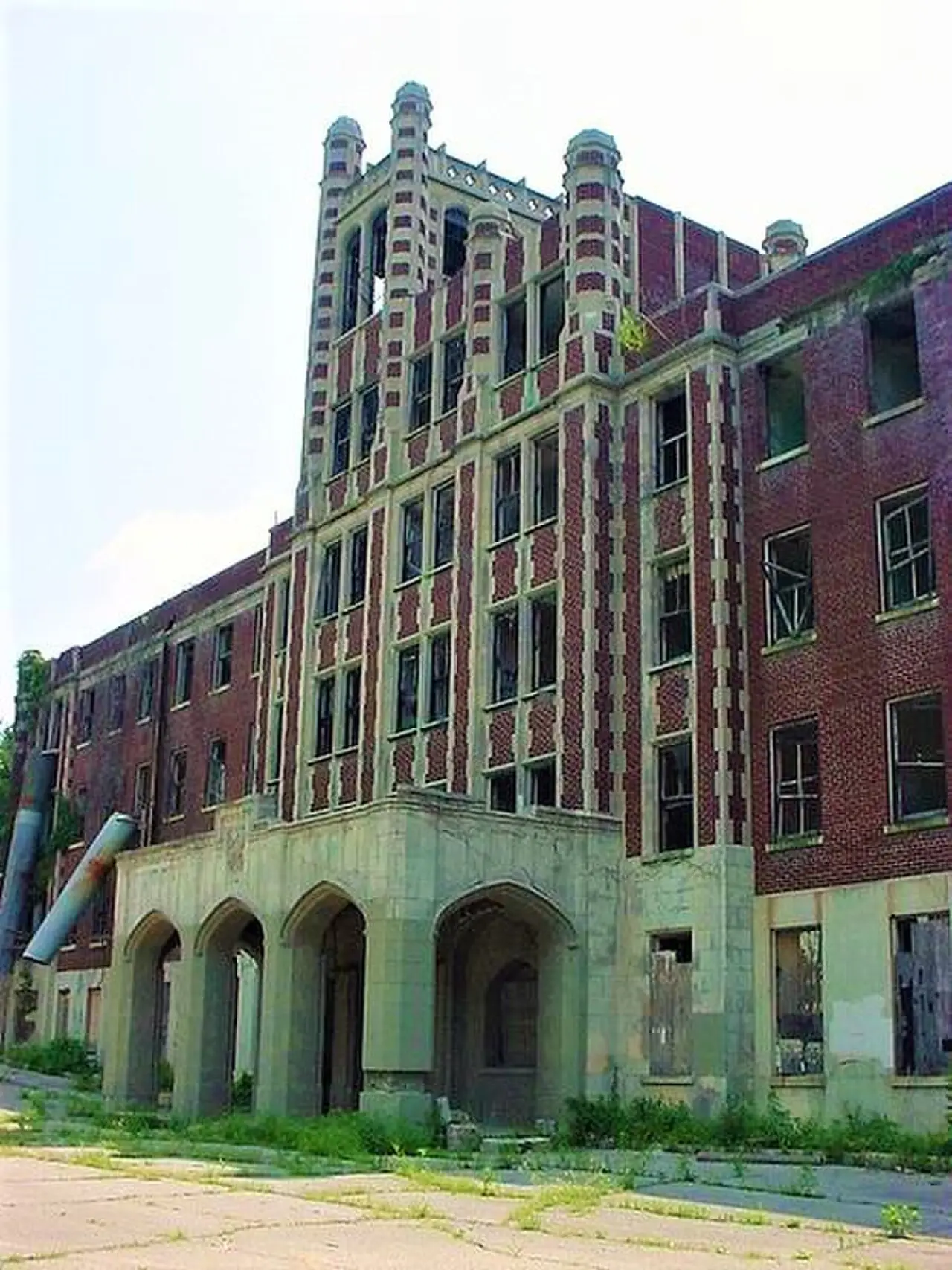
Waverly Hills Sanatorium
Shadowy figures in the long corridors, described by tour staff, a ghost-story writer and a TV investigation team.
Well DocumentedTours onlyAlso a former asylum · also reported: shadow figures, footsteps
IllustrationFormer asylum · PA
Hill View Manor (former Lawrence County Home)
Hill View Manor opened in 1926 as Lawrence County's home for older and poor residents, became a county nursing home and closed in 2004.
Documented AccountsTours onlyAlso a former asylum · also reported: shadow figures, moving objects
Former asylum · Athens, OH
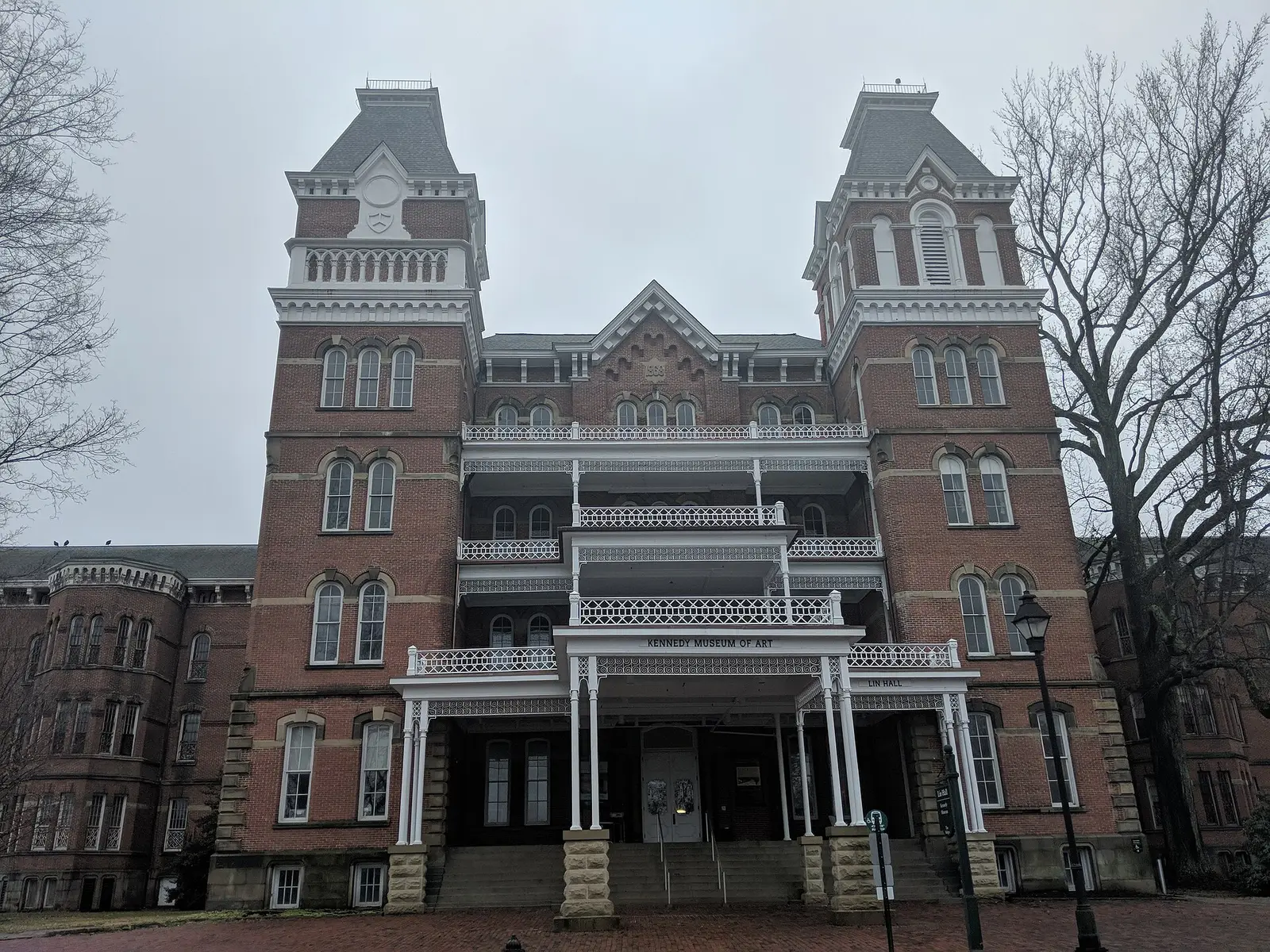
The Ridges (former Athens Lunatic Asylum)
The Ridges is the former Athens State Hospital, a Kirkbride-plan psychiatric hospital that served southeastern Ohio from 1874 to 1993 and now belongs to Ohio University.
UnverifiedOpen to visitorsAlso a former asylum · also reported: shadow figures, moving objects
Former asylum · Westland, MI
Eloise
Eloise was Wayne County's poorhouse and later a vast hospital complex in Westland, where about 10,000 people lived at its peak.
Documented AccountsTours only