← St. Joseph Glore Psychiatric Museum
Glore Psychiatric Museum
The hospital's history and reported experiences
St. Joseph, Missouri
The Glore Psychiatric Museum tells the history of mental health care in a former building of St. Joseph State Hospital, which opened in 1874 as State Lunatic Asylum No. 2.
What do we know about Glore Psychiatric Museum?
We traced two sources of experiences: the museum's own staff, including a tour guide who told KCUR of about 20 serious experiences, centered on the tunnels, and staff accounts of marbles and cigar smoke relayed in a 2021 YouTube investigation; and that investigation's team, who said a tunnel door shut on them. Their device 'voices' are not counted. No account names a former patient, and none should be read as one.

Our rating of the reports about Glore Psychiatric Museum: Documented Accounts. At least one traceable published or first-hand account of an unexplained experience. We check that the reports exist, not the supernatural. The rating describes the evidence for the reports, not whether the place is haunted.
- Reported accounts
- 2
- Counted for the rating
- 2
- Research sources
- 6
Counted for the rating: independent accounts we could trace to a witness. Retellings of the same story count once, and staff passing on what visitors said aren’t counted. How we count
Reported experiences don’t establish a supernatural cause.
Read our evidence assessment →The hauntings
Accounts, encounters and stories associated with Glore Psychiatric Museum.

What has been reported?
- Cold spots
- Smells
- Voices
- Doors
- Shadow figures

Phenomena described in accounts associated with this location — not independently verified events.
Reported experiences
2 published and reported accounts, each assessed by its source.
Account 01 · October 21, 2026 · 2 versions
A Glore tour guide, 2026
A museum tour guide told KCUR in 2026 that the building's tunnel system is especially haunted and that he has had about 20 serious supernatural experiences there.[2]
- Cold spots
- Smells
- Voices
Published accountReported by A Glore tour guide (KCUR, 2026)Note: KCUR gives no details of the experiences; he works for the museum, which sells paranormal rentals. We describe him by role.
Read full account ›
A museum tour guide told KCUR in 2026 that the building's tunnel system is especially haunted and that he has had about 20 serious supernatural experiences there.[2]
Museum staff told a visiting YouTube team of chills, voices, the sound of someone playing marbles in a hallway when nobody else was in the building, and cigar smoke in hallways where smoking is not allowed.[6]
Note: Relayed by a staff guide in the video and summarized by a radio-station website; no staff member's own account is published.
Account 02 · September 1, 2021
The Paranormal Files, 2021
Two investigators from the YouTube channel The Paranormal Files said that a door in the tunnel beneath the building shut and locked them in, and the team reported shadows, noises and voices during their stay.[6]
- Doors
- Voices
- Shadow figures
Published accountReported by The Paranormal Files (YouTube), via 979kickfm.comNote: Known to us only through a radio-station website's summary; the voices their equipment claimed to pick up are device output and not counted.
Read full account ›
Two investigators from the YouTube channel The Paranormal Files said that a door in the tunnel beneath the building shut and locked them in, and the team reported shadows, noises and voices during their stay.[6]
Before you go

Planning a visit?
Open to visitors
Parts of the inside are open to the public.
Access details ›
The museum is run by St. Joseph Museums and is covered by one paid admission to the four museums on Frederick Avenue. It also rents the building after hours for paid paranormal investigations; those are a paid attraction, and we do not treat their marketing as evidence. The rest of the old hospital campus is a state prison and is not open to visitors. Check the official site for hours.
Entry
Paid entry
Access last checked November 17, 2026. Confirm times and prices before you travel.
The history of Glore Psychiatric Museum
The Glore Psychiatric Museum tells the history of mental health care in a former building of St. Joseph State Hospital, which opened in 1874 as State Lunatic Asylum No. 2. A museum tour guide told KCUR in 2026 of about 20 experiences, and YouTube investigators described being shut in a tunnel. It is a paid museum that also rents the building for paranormal investigations.
- Established
- 1968
- Also known as
- St. Joseph State Hospital
State Lunatic Asylum No. 2
Missouri's second state asylum opened in November 1874 on land east of St. Joseph, taking its first patients: 250, according to the museum's history, though Legends of America gives 25. Renamed St. Joseph State Hospital, it grew to house between 2,000 and 3,000 people at its height: the museum's own history says 'over 2000', while other accounts give about 3,000. In 1997 the old hospital was vacated and a smaller psychiatric rehabilitation center opened across the street; many of the old buildings now form a state prison.
George Glore's museum
George Glore worked at the hospital for 41 years, first as a ward technician and later as an occupational therapist. For a Mental Health Awareness Week exhibit in the late 1960s he built full-size replicas of treatment devices from earlier centuries, and the hospital made the display permanent. The museum now fills the hospital's former surgery and outpatient building and is run by St. Joseph Museums.
Its collection traces how people with mental illness were treated, from restraints such as the Utica crib to lobotomy and the community mental health reforms of the 1960s, along with artwork made by patients. Its longtime curator told KCUR that its main message is that "what you see here, we don't do now." We describe the people treated here only as patients whose care the museum documents, not as the subjects of ghost stories.
We haven’t found an openly licensed photograph of Glore Psychiatric Museum yet. If you took one and are happy to share it, tell us.
Through the years
1968
George Glore's first exhibit
George Glore, who worked at the hospital for 41 years as a ward technician and occupational therapist, built full-size replicas of historic treatment devices for a Mental Health Awareness Week exhibit; the hospital kept the display, and it became the Glore Psychiatric Museum.[2][3]
Caveat: St. Joseph Museums dates the exhibit to 1968; KCUR and Legends of America say 1967.
1997
Old hospital vacated
As St. Joseph State Hospital it grew to house more than 2,000 patients at its height, according to the museum's 2012 history, and about 3,000 by other accounts; in 1997 the old hospital was vacated for a new…
Read more ›
As St. Joseph State Hospital it grew to house more than 2,000 patients at its height, according to the museum's 2012 history, and about 3,000 by other accounts; in 1997 the old hospital was vacated for a new psychiatric rehabilitation center across the street, and many of its buildings now belong to a state prison.[4][2]
Caveat: The museum's 2012 history gives no date for its figure.
Also recorded
The museum traces how mental illness has been treated, from restraints such as the Utica crib to lobotomy and the community mental health reforms of 1963, and shows artwork made by patients; its longtime curator describes its message as 'what you see here, we don't do now.'[2]
St. Joseph Museums rents the Glore after hours for paid paranormal investigations, offering a guide to the building's 'hot spots.'[5]
Caveat: Shows that the operator promotes the reputation; it is not evidence of any experience.
The research conclusion

Why it has this rating
Two traceable accounts: a museum tour guide told KCUR in 2026 of his own experiences in the building, and two investigators from The Paranormal Files said a tunnel door shut and locked them in. Staff reports of what others experienced and device recordings aren't counted, so this is Documented Accounts. Patients and their treatment are documented history and are not ghost material.
Read the full written assessment ›
The hospital's history is documented by St. Joseph Museums and public radio, and the museum's purpose is to show how treatment has changed. Its ghost reputation grew alongside the museum and is promoted by after-hours paranormal rentals.
We traced two sources of experiences: the museum's own staff, including a tour guide who told KCUR of about 20 serious experiences, centered on the tunnels, and staff accounts of marbles and cigar smoke relayed in a 2021 YouTube investigation; and that investigation's team, who said a tunnel door shut on them. Their device 'voices' are not counted. No account names a former patient, and none should be read as one.
The sources behind the story
6 research references support this entry.

1Legends of AmericaGlore Psychiatric Museum in St. Joseph Website · Reference 01
Kathy Alexander, Glore Psychiatric Museum in St. Joseph. Legends of America, 2026-11.
Travel and history website (updated November 2026): opened November 9, 1874; nearly 3,000 beds by the early 1950s; museum begun in 1967 in a hospital ward and moved in 1997 to a 1968 building that had been a clinic, outside the prison fence. Gives 25 first patients, against the museum's 250. Contains no ghost claims.
Accessed November 17, 2026.
2KCUR 89.3 (Kansas City public radio), A People's History of Kansas CityInside a former Missouri asylum, a psychiatric museum has a haunted reputation — and a noble mission Television or radio · Reference 02
Suzanne Hogan, Inside a former Missouri asylum, a psychiatric museum has a haunted reputation — and a noble mission. KCUR 89.3 (Kansas City public radio), A People's History of Kansas City, 2026-10-21.
Public radio feature: opened 1874; about 3,000 patients at its height; George Glore worked there 41 years and began the displays in 1967; museum in a former surgery wing; other buildings now a Department of Corrections facility; exhibits on restraints, lobotomy and the 1963 Community Mental Health Act and patient artwork; longtime curator quoted on the museum's message; a current tour guide says the tunnels are especially haunted and he has had 'about 20 serious' experiences.
Accessed November 17, 2026.
3St. Joseph MuseumsGlore Psychiatric Museum Official or site history · Reference 03
Glore Psychiatric Museum. St. Joseph Museums, 2026.
Operator's page: State Lunatic Asylum No. 2 opened in November 1874 with 250 patients east of the city; the museum is in the former surgery and outpatient building; in 1968 employee George Glore helped build full-size replicas of early treatment devices for a Mental Health Awareness Week open house, which led to the museum; address 3406 Frederick Ave.
Accessed November 17, 2026.
4St. Joseph Museums (CatalogIt HUB)Home for the Mind Diseased: History of St. Joseph's State Hospital No. 2 (catalog record) Archive or collection · Reference 04
Home for the Mind Diseased: History of St. Joseph's State Hospital No. 2 (catalog record). St. Joseph Museums (CatalogIt HUB), 2012.
Museum catalog record for its 2012 history of the hospital: the hospital ran from 1874 to 1997, housed over 2,000 patients, and in 1997 was 'abandoned' for a new rehabilitation center across the street; the book is dedicated to George Glore. We read the catalog summary, not the book.
Accessed November 17, 2026.
5St. Joseph MuseumsParanormal Rentals Official or site history · Reference 05
Paranormal Rentals. St. Joseph Museums, 2026.
Operator's page selling 'Glore After Hours', a paid three-hour paranormal rental with a guide to 'the hot spots'. Marketing; shows the museum promotes the reputation, not that anything happens.
Accessed November 17, 2026.
697.9 KICK FM (979kickfm.com)Voices, Doors Slam Shut During Search of Old Missouri Asylum Website · Reference 06
Doc Holliday, Voices, Doors Slam Shut During Search of Old Missouri Asylum. 97.9 KICK FM (979kickfm.com), 2021-09-01.
Radio-station website summary of a YouTube investigation by The Paranormal Files at the Glore: two investigators shut in a tunnel by a closing door; shadows, noises and voices; staff reports of chills, voices, marbles and cigar smoke relayed by a staff guide; device 'voices'. Secondhand summary of an entertainment video; repeats an unsourced '3,000 deaths' figure.
Accessed November 17, 2026.
More haunted places

Explore nearby
Similar places
Also a former asylum · also reported: shadow figures
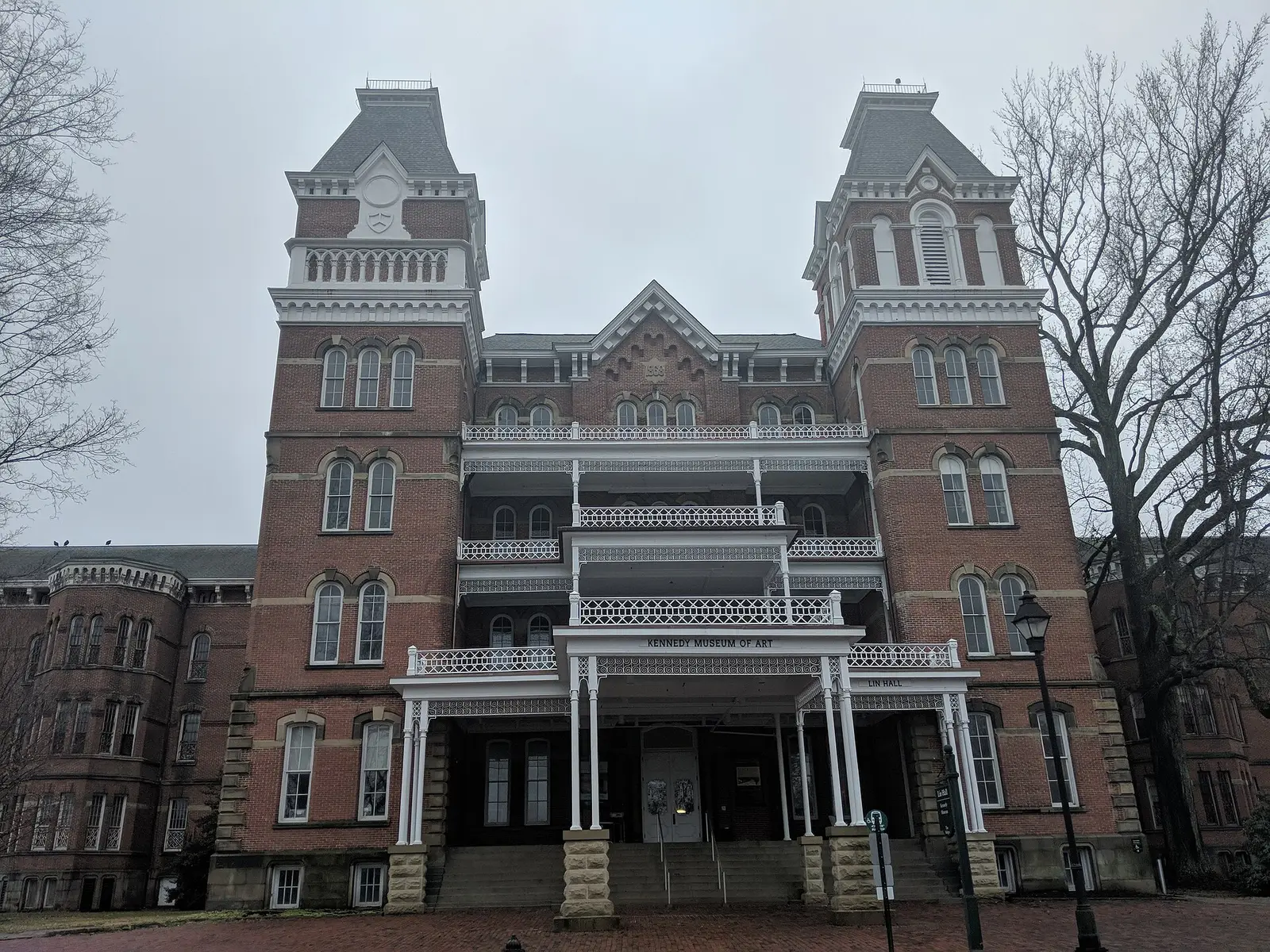
Former asylum · Athens, OH
The Ridges (former Athens Lunatic Asylum)
The Ridges is the former Athens State Hospital, a Kirkbride-plan psychiatric hospital that served southeastern Ohio from 1874 to 1993 and now belongs to Ohio University.
UnverifiedOpen to visitorsAlso a former asylum · also reported: shadow figures
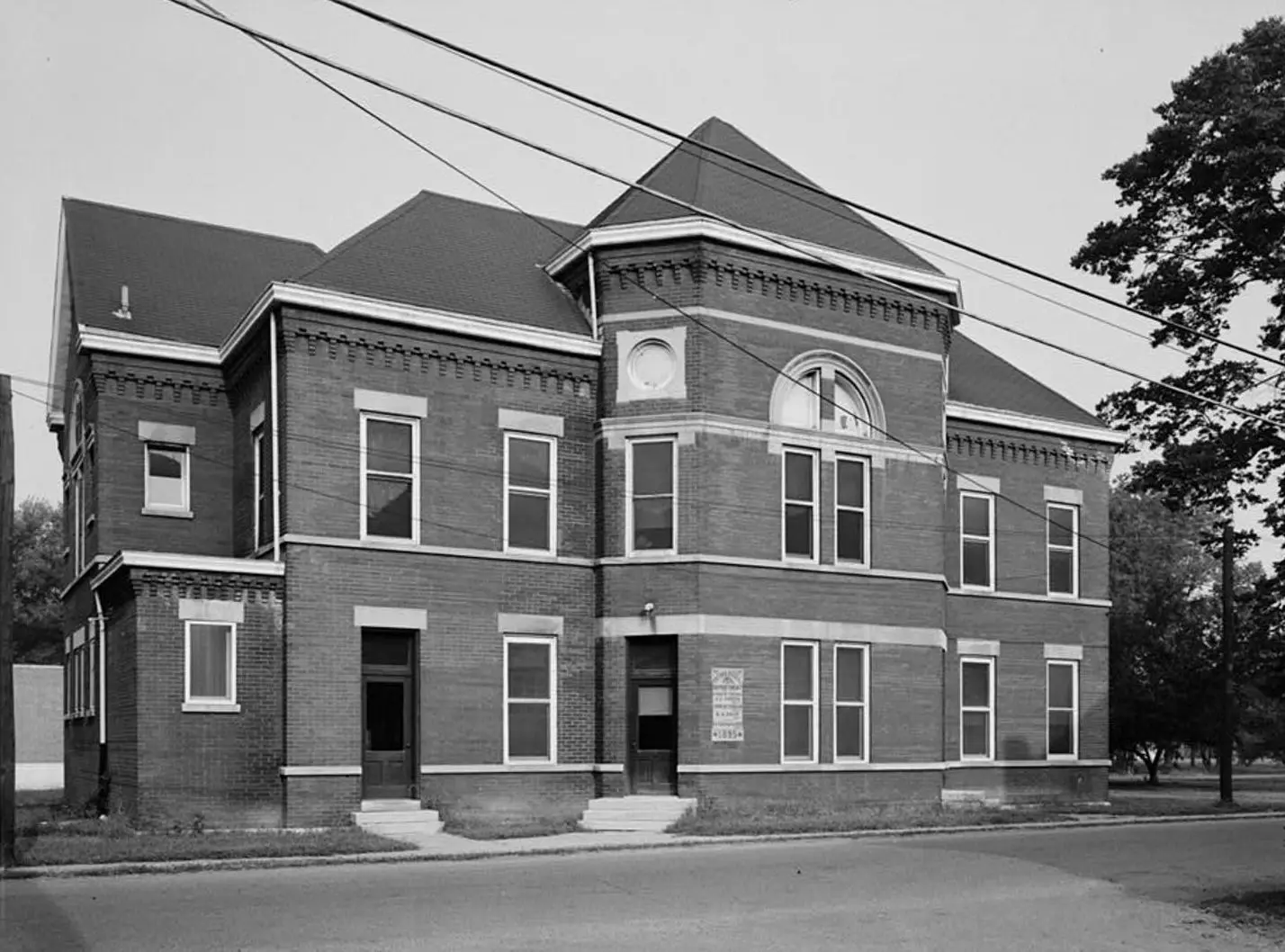
Former asylum · Indianapolis, IN
Central State Hospital and the Indiana Medical History Museum
Central State Hospital was Indiana's first state psychiatric hospital, open from 1848 to 1994 on Indianapolis's west side.
Documented AccountsTours onlyAlso a former asylum · also reported: cold spots, doors
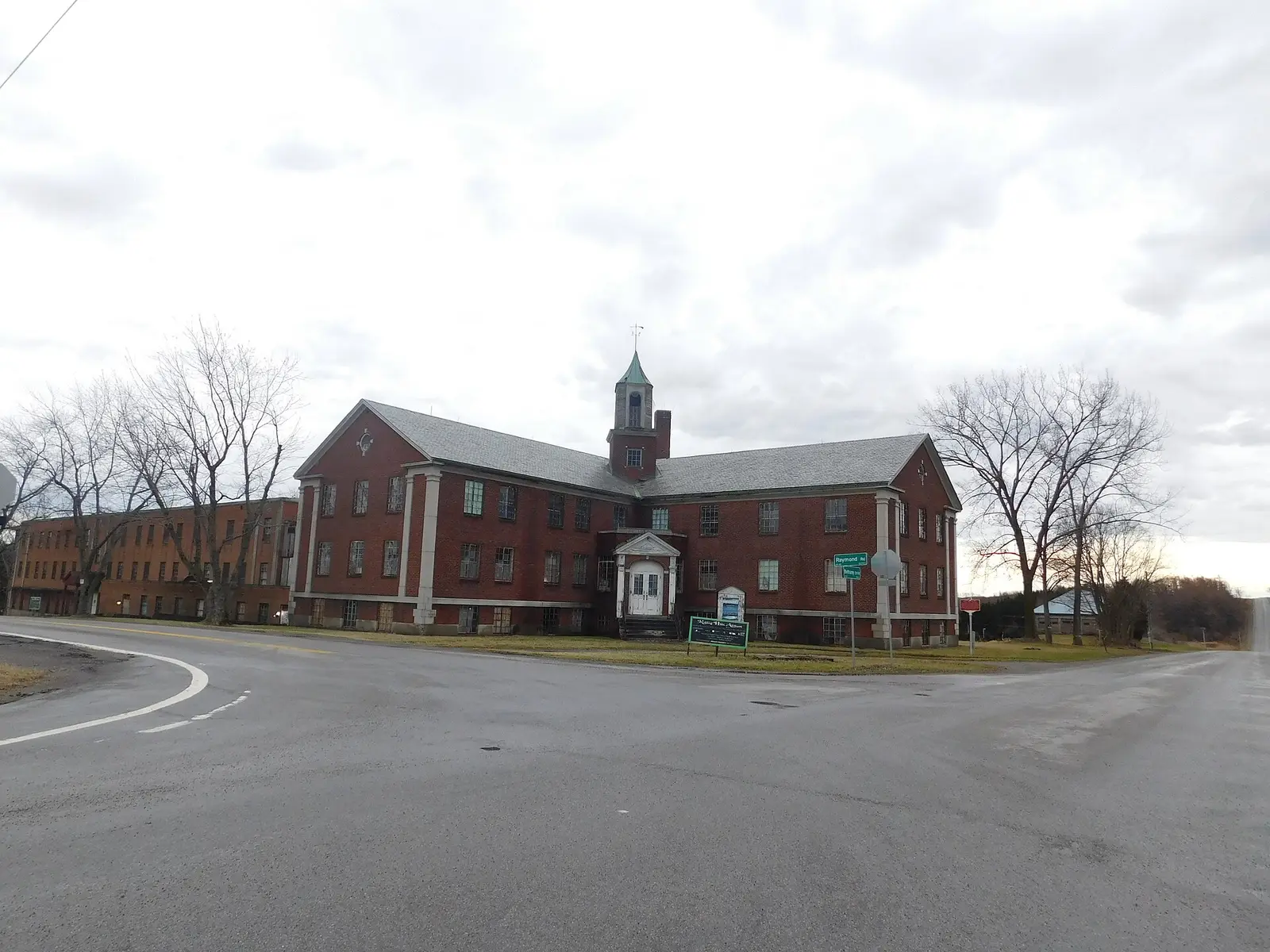
Former asylum · NY
Rolling Hills Asylum
Rolling Hills Asylum in East Bethany is the former Genesee County Poorhouse, which opened in 1827 and, as a county home and nursing home, cared for poor, elderly and disabled people until 1974.
Documented AccountsTours onlyAlso a former asylum · also reported: doors, shadow figures
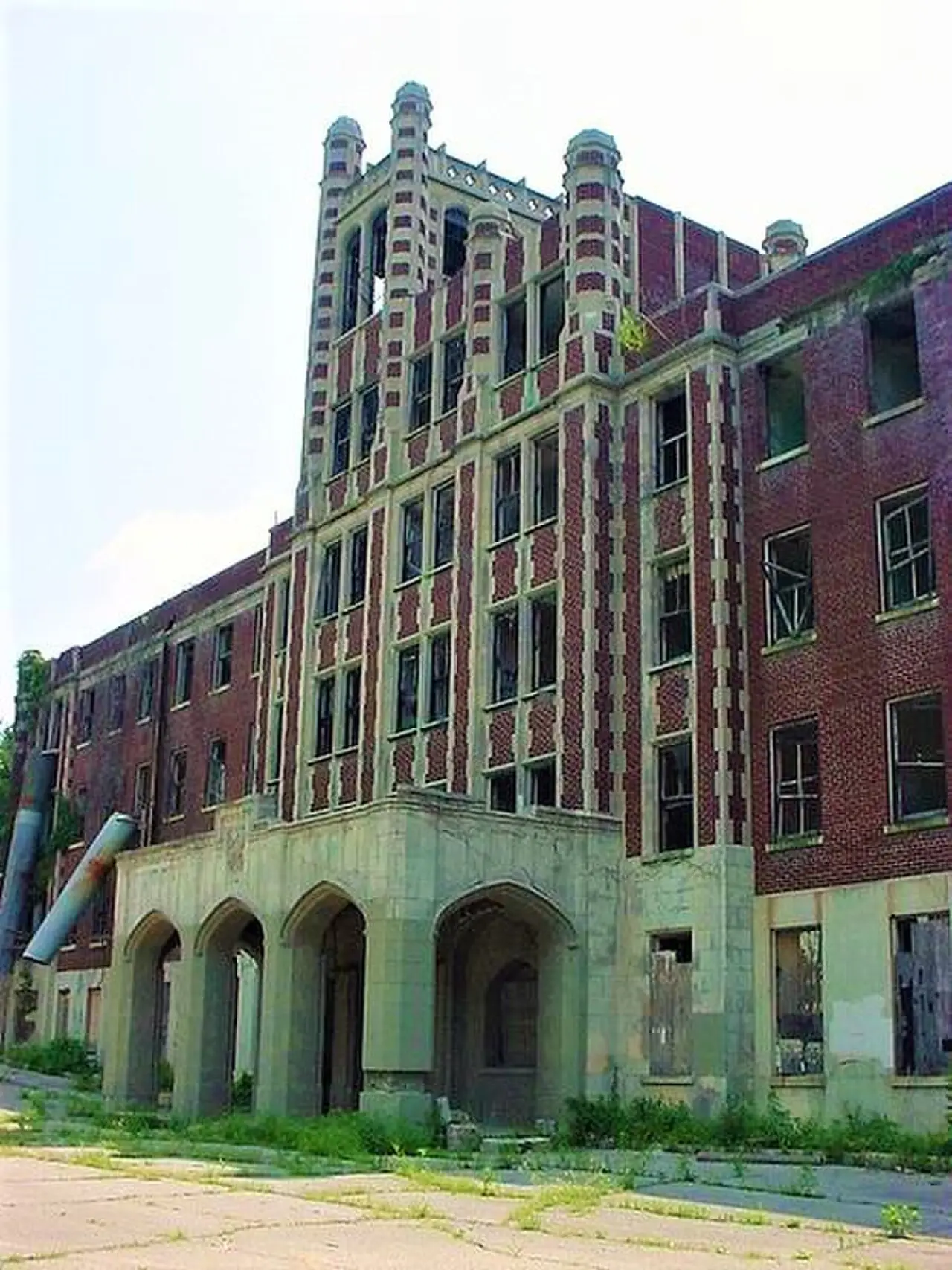
Former asylum · Louisville, KY
Waverly Hills Sanatorium
Shadowy figures in the long corridors, described by tour staff, a ghost-story writer and a TV investigation team.
Well DocumentedTours only