← Missouri Jesse James Farm and Museum
Jesse James Farm and Museum
History, slavery and the farm's ghost legends
Missouri
The Jesse James Farm near Kearney, Missouri, is the 1822 log house where Frank and Jesse James were born, worked by people the James and Samuel family enslaved.
What do we know about Jesse James Farm and Museum?
The ghost reputation rests on legend. Ghost websites describe lights in the house after it is locked, hooves, muffled gunshots and cries in the woods, and staff who feel a presence, without naming anyone or giving a first publication. A local paranormal group's 2023 visit recorded no experiences. We found no traceable account.
Our rating of the reports about Jesse James Farm and Museum: Unverified. A haunted reputation or legend, but no traceable account of an experience so far. The rating describes the evidence for the reports, not whether the place is haunted.
- Reported account
- 1
- Counted for the rating
- 0
- Research sources
- 7
Counted for the rating: independent accounts we could trace to a witness. Retellings of the same story count once, and staff passing on what visitors said aren’t counted. How we count
Reported experiences don’t establish a supernatural cause.
Read our evidence assessment →The hauntings
Accounts, encounters and stories associated with Jesse James Farm and Museum.
What has been reported?
- Voices
- Footsteps
- Phantom lights

Phenomena described in accounts associated with this location — not independently verified events.
Reported experiences
1 published and reported account, each assessed by its source.
Account 01 · March 14, 2023
Paranormal Activity Investigators, 2023
A Kansas City paranormal group that investigated the farm for two hours on March 14, 2023, published no experiences from the visit.[7]
Published accountReported by Paranormal Activity Investigators (kcghosts.com)Note: A report of nothing, not an account of an experience.
Read full account ›
A Kansas City paranormal group that investigated the farm for two hours on March 14, 2023, published no experiences from the visit.[7]
Legends & disputed stories
Stories told about the place that the records don’t confirm.

- Legend
A ghost website says the farm has been haunted for more than a century: lights move in the house after it is locked, hooves pound and muffled gunshots and cries are heard, and on foggy mornings hushed voices and restless horses come from the woods.[5]
What the research shows: No witness, date or first publication is given. Staff 'feeling a presence' is a vague feeling and is not counted.
Before you go

Planning a visit?
Tours only
Visits are by guided tour or organized event.
Access details ›
Clay County runs the farm as a museum with a visitor center and paid admission; the 1822 cabin is shown on guided outdoor tours, with indoor cabin tours only on set days. Check the museum's site for current hours.
Entry
Paid entry
Access last checked November 17, 2026. Confirm times and prices before you travel.
The history of Jesse James Farm and Museum
The Jesse James Farm near Kearney, Missouri, is the 1822 log house where Frank and Jesse James were born, worked by people the James and Samuel family enslaved. An 1875 attack there killed Jesse's young half-brother. Ghost websites say lights move in the locked house and hooves and gunshots are heard, but name no witness. Clay County runs it as a paid museum.
- Established
- 1822
- Also known as
- James Brothers' House and Farm
An 1822 cabin and a hemp farm
Jacob Gromer built a two-room log cabin on this land in 1822. Robert James, a Baptist minister from Kentucky, and his wife Zerelda bought the farm in 1845, added a frame wing and covered the logs with siding. Their sons Frank and Jesse were born here, in 1843 and 1847.
The people the family enslaved
The James farm was worked by enslaved people. The State Historical Society of Missouri describes Robert James as a hemp farmer and enslaver who bought enslaved people to work his fields; by 1850 he held at least five Black children and a Black woman. He died that year on the Pacific coast, during the gold rush, and Zerelda, left a widow, became responsible for her children and for the enslaved children and adult. She married Benjamin Simms and then, in 1855, Dr. Reuben Samuel, and the household went on using enslaved labor to grow hemp and raise sheep. Census records list a woman named Charlotte, described as one of the family's enslaved people, as the mother of Perry Samuel, born in 1869. A replica cabin behind the house marks where the people enslaved here would have lived.
War and outlawry
The family sided with the South in Missouri's border war. Frank joined William Quantrill's guerrillas, the local militia abused the family, and Jesse joined Quantrill at 17. After the war the brothers began a career of robbery that lasted until 1881. On January 26, 1875, a device thrown into the house exploded, killing Jesse's young half-brother Archie Samuel and so injuring Zerelda Samuel's right hand that it was amputated; the evidence pointed to the Pinkerton Detective Agency. Robert Ford shot and killed Jesse James on April 3, 1882. He was buried on the farm, where his mother showed his grave to visitors, and was later reburied in Kearney.
The family kept the farm until July 7, 1978, when the last descendants sold it to Clay County, which opened it to visitors.
Through the years
1845
James family buys the farm
Jacob Gromer built a two-room log cabin on the land in 1822; Robert and Zerelda James bought the farm on October 13, 1845, and added a frame wing.[1]
1847
Jesse James born
Frank James (born 1843) and Jesse James (born 1847) were born on the farm; during the Civil War Frank joined Quantrill's guerrillas, the local militia abused the family, and Jesse joined Quantrill at 17.[1]
1850
Robert James dies
Robert James, a Baptist minister and hemp farmer, bought enslaved people to work his fields; by 1850 he enslaved at least five Black children and a Black woman. He died on August 18, 1850.[2]
1855
Zerelda marries Reuben Samuel
As a widow, Zerelda James became responsible for five enslaved children and one enslaved adult; after her marriage to Reuben Samuel in 1855, the household went on using enslaved labor to grow hemp and raise sheep.[1][3]
Caveat: The historical society does not give the number enslaved by the Samuel household in later years.
1869
1869
Census records list a woman named Charlotte, one of the people the family enslaved, as the mother of Perry Samuel, born in 1869; a replica cabin behind the James house marks where the family's enslaved people would have lived.[4]
Caveat: Historians' suggestion that Charlotte and Ambrose were given to Robert and Zerelda James as a wedding present in 1841 has no written record.
1882
Jesse James killed and buried on the farm
The research conclusion

Why it has this rating
Lights, hooves and gunshots appear only in a legends website, with no witness; a 2023 investigation recorded nothing. The household's enslavement of people is documented history.
Read the full written assessment ›
The farm's history is well recorded by its National Register nomination and the State Historical Society of Missouri, which records that Robert James and then the widowed Zerelda held enslaved people to work the hemp farm.
The ghost reputation rests on legend. Ghost websites describe lights in the house after it is locked, hooves, muffled gunshots and cries in the woods, and staff who feel a presence, without naming anyone or giving a first publication. A local paranormal group's 2023 visit recorded no experiences. We found no traceable account.
The sources behind the story
7 research references support this entry.

1Missouri State Historic Preservation OfficeJames Brothers' House and Farm, National Register of Historic Places Inventory–Nomination Form Register or nomination · Reference 01
James Brothers' House and Farm, National Register of Historic Places Inventory–Nomination Form. Missouri State Historic Preservation Office, 1978.
Nomination file (original form plus 1978 update): cabin built by Jacob Gromer in 1822; James family bought the farm on October 13, 1845, and kept it until July 7, 1978, when it passed to Clay County; Frank born January 10, 1843, Jesse September 5, 1847; Zerelda's marriages to Benjamin Simms and Reuben Samuel (1855); the January 26, 1875 raid; Jesse killed April 3, 1882. Says the family was drawn into the border war 'over the extension of slavery' but does not discuss the people they enslaved. Uses 1970s language.
Accessed November 17, 2026.
2State Historical Society of MissouriRobert James (Historic Missourians) Archive or collection · Reference 02
Carlynn Trout, with Elizabeth E. Engel, Robert James (Historic Missourians). State Historical Society of Missouri, 2026.
State historical society biography: 'a hemp farmer, enslaver, and Baptist minister from Kentucky'; bought enslaved people to work his fields; 'by 1850 James enslaved at least five Black children and a Black woman'; married Zerelda Cole December 20, 1841; died August 18, 1850.
Accessed November 17, 2026.
3State Historical Society of MissouriJesse James (Historic Missourians) Archive or collection · Reference 03
Carlynn Trout, with Jillian Hartke, Jesse James (Historic Missourians). State Historical Society of Missouri, 2026.
State historical society biography: the Jameses 'used slave labor to grow hemp and raise sheep' on a hundred-acre farm; as a widow Zerelda was responsible for her children and 'five enslaved children and one adult'; the 1875 Pinkerton flare; Ford killed James April 3, 1882; photographs of his grave on Zerelda Samuel's farm (about 1898) and of the headstone after reburial in Kearney Cemetery.
Accessed November 17, 2026.
4KCUR 89.3 (Kansas City public radio)Why It's Important To Understand More About Frank And Jesse James' Maybe Step-Brother Television or radio · Reference 04
Laura Ziegler, Why It's Important To Understand More About Frank And Jesse James' Maybe Step-Brother. KCUR 89.3 (Kansas City public radio), 2018-12-09.
Public radio report on Perry Samuel: census records list Charlotte, 'one of the family slaves', as his mother, born 1869; historians speculate (without record) that Charlotte and Ambrose were a 1841 wedding gift; a replica cabin behind the house marks where the family's enslaved people would have lived; quotes UMKC historian Dianne Mutti-Burke on slavery in Missouri. Notes that an amateur history written for the museum has no footnotes.
Accessed November 17, 2026.
5Legends of AmericaHaunted Jesse James Farm, Kearney, Missouri Website · Reference 05
Kathy Alexander, Haunted Jesse James Farm, Kearney, Missouri. Legends of America, 2026-10.
Ghost and travel website (updated October 2026): 'said to have been haunted for more than a century'; lights in the locked house, hooves, muffled shots and cries, voices on foggy mornings; staff feel an 'extremely intense' presence. No witness, date or first publication; also says Jesse was buried on the farm and later reinterred at Mount Olivet Cemetery in Kearney.
Accessed November 17, 2026.
6Friends of the James FarmVisit the Farm: Visitors Center and Directions Website · Reference 06
Visit the Farm: Visitors Center and Directions. Friends of the James Farm, 2026.
Supporting nonprofit's page: the farm is owned and operated by Clay County; lists paid admission for adults, seniors and children (free under 8); address 21216 James Farm Road, Kearney.
Accessed November 17, 2026.
7Paranormal Activity Investigators (kcghosts.com)Jesse James Birthplace (investigation page) Website · Reference 07
Jesse James Birthplace (investigation page). Paranormal Activity Investigators (kcghosts.com), 2023-03-14.
Local paranormal group's page for a two-hour investigation on March 14, 2023: status 'Analysis', investigator's notes empty, no experiences reported; otherwise historical background.
Accessed November 17, 2026.
More haunted places
Explore nearby


Similar places
Also a museum · also reported: footsteps
Museum · Chicago, IL
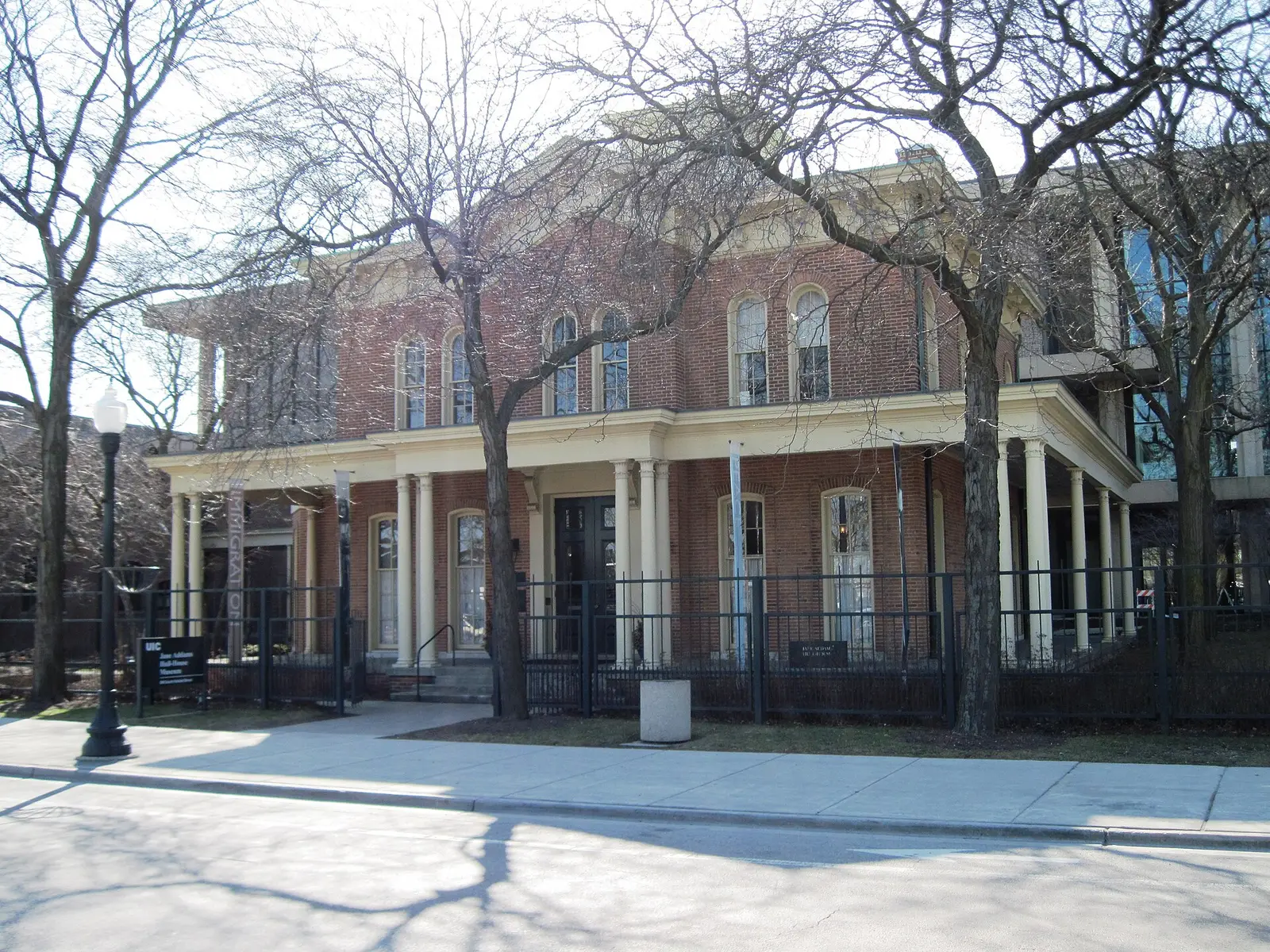
Jane Addams Hull-House Museum
Hull-House is the 1856 mansion where Jane Addams founded America's first settlement house in 1889, now a museum on the UIC campus.
Documented AccountsOpen to visitorsAlso a museum · also reported: footsteps
Museum · Columbus, OH
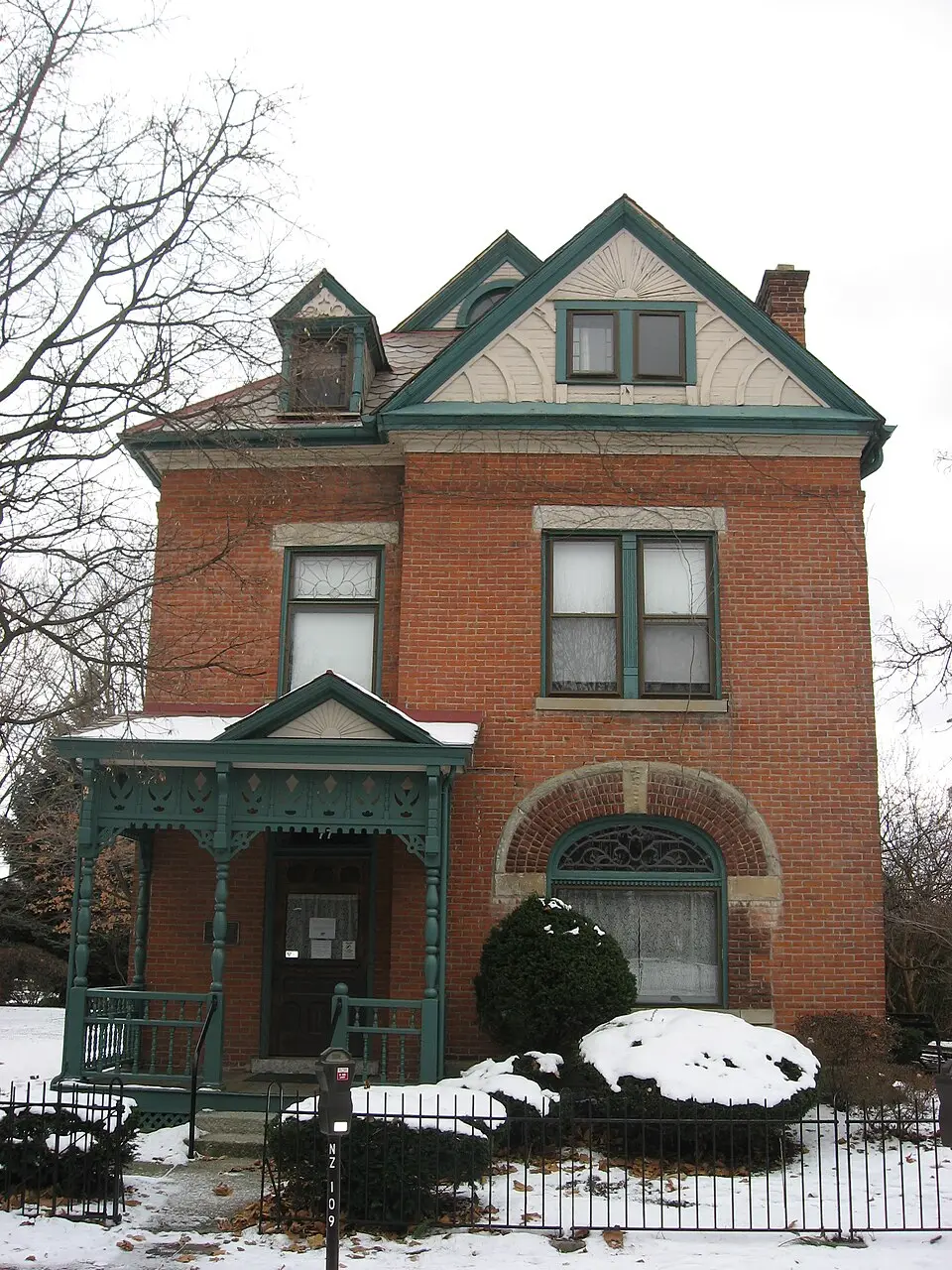
Thurber House
Thurber House is James Thurber's boyhood home in Columbus, now a literary center and museum.
Documented AccountsOpen to visitorsAlso a museum · also reported: footsteps
Museum · Richmond, VA
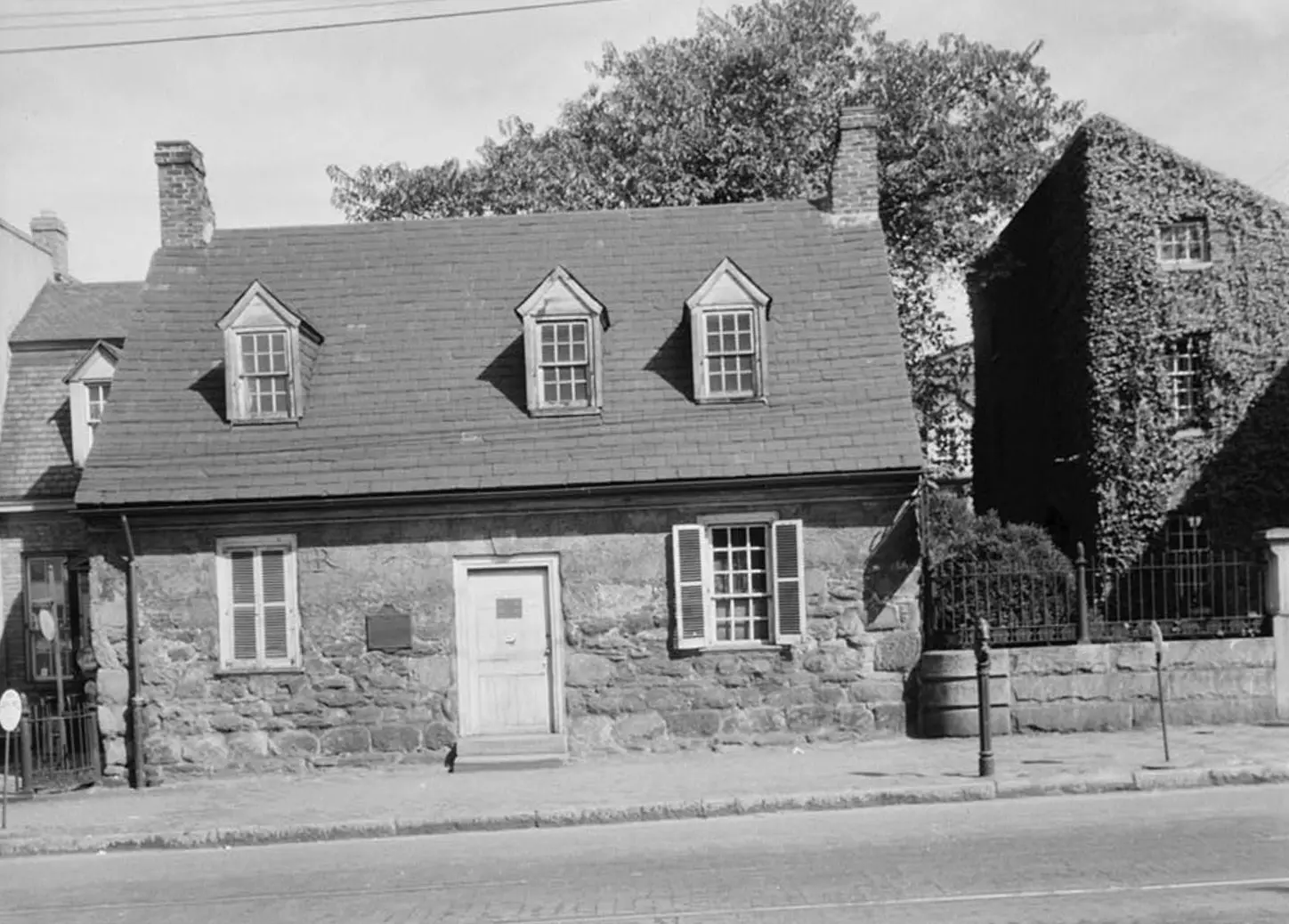
Edgar Allan Poe Museum
The Poe Museum in Richmond occupies the Old Stone House, the city's oldest house (about 1754, by tree-ring dating), once home of the Ege family; Poe never lived there.
UnverifiedOpen to visitorsAlso a museum · also reported: footsteps
Museum · Gettysburg, PA
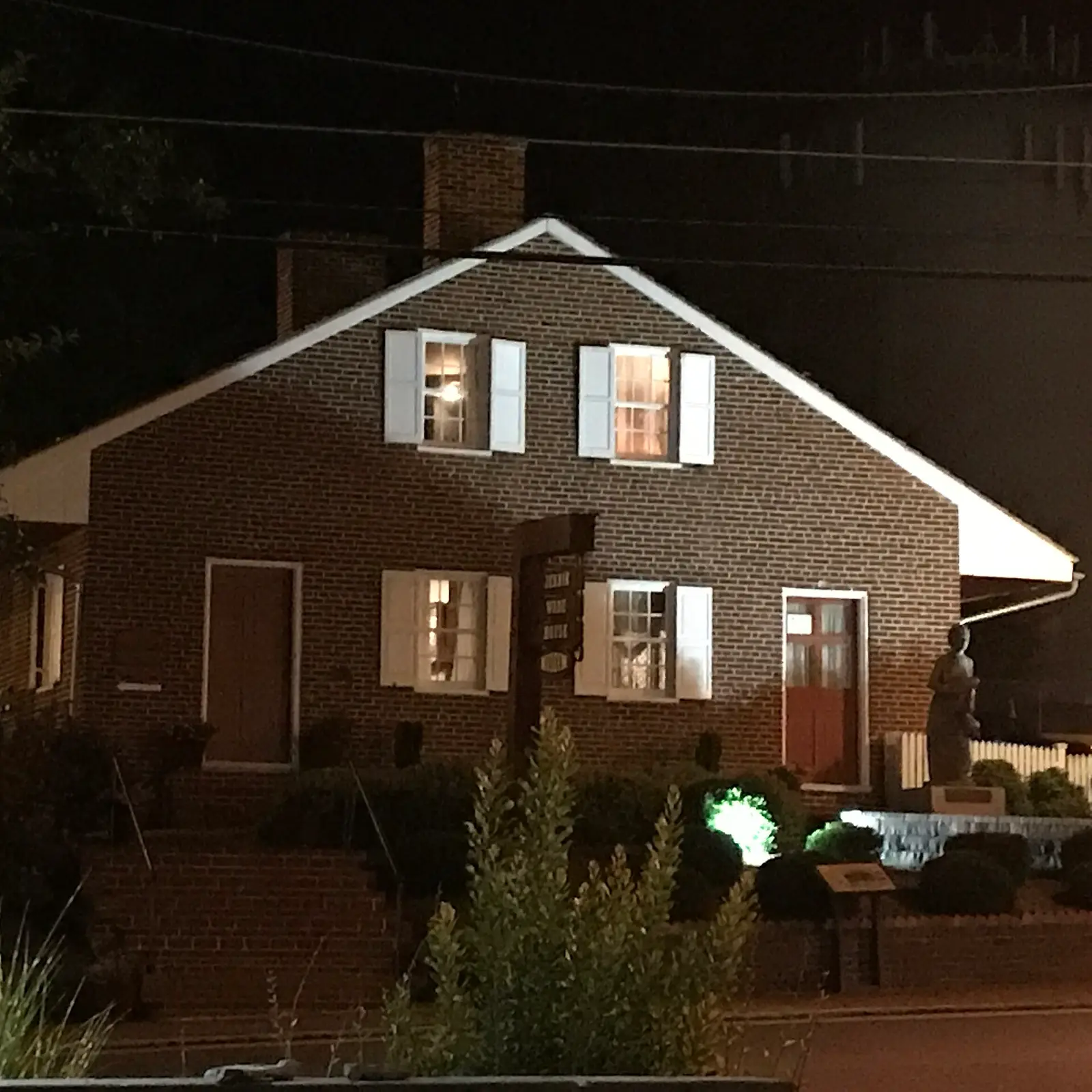
Jennie Wade House
The Jennie Wade House in Gettysburg is where 20-year-old Jennie Wade, the only civilian killed directly by the battle, died on July 3, 1863, struck by a bullet while making bread.
UnverifiedTours only