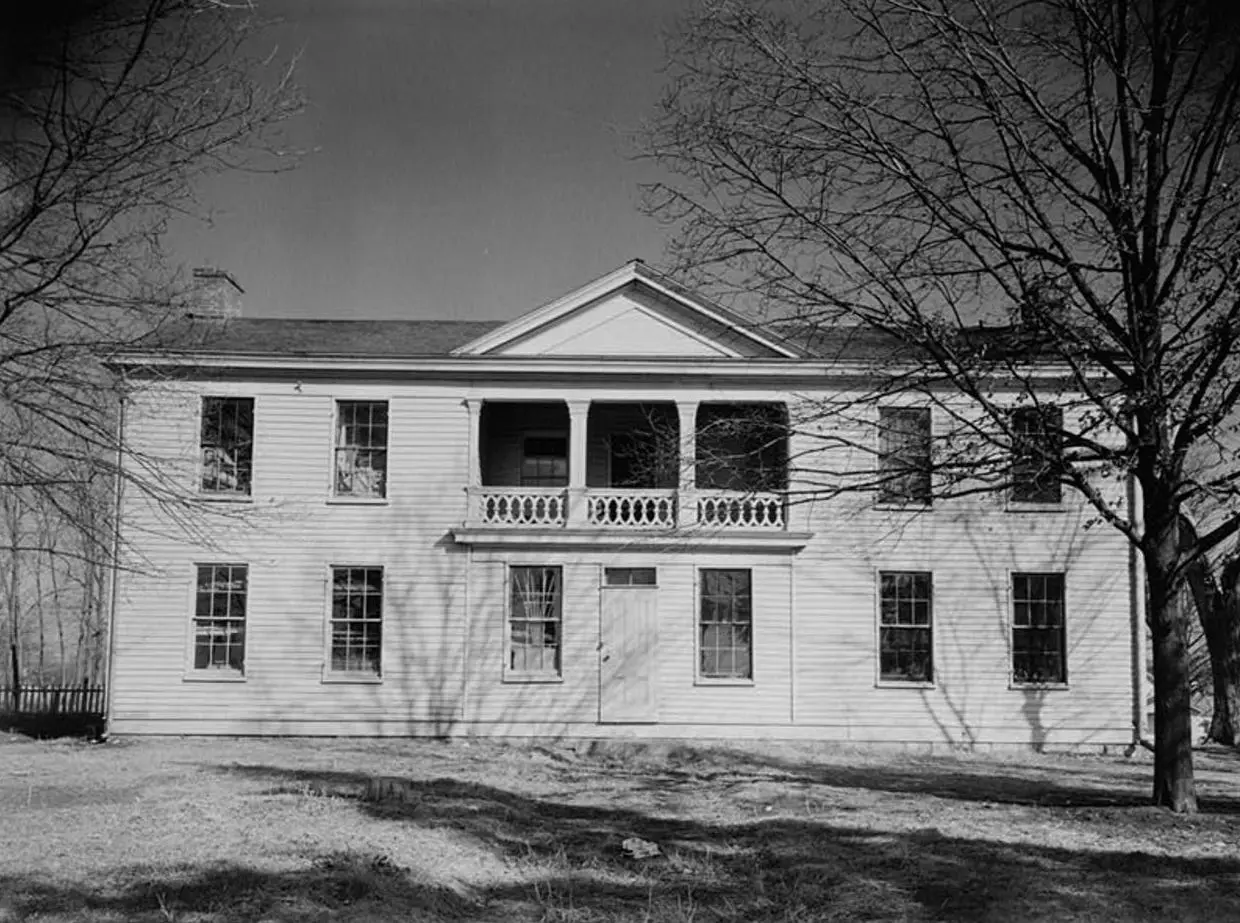
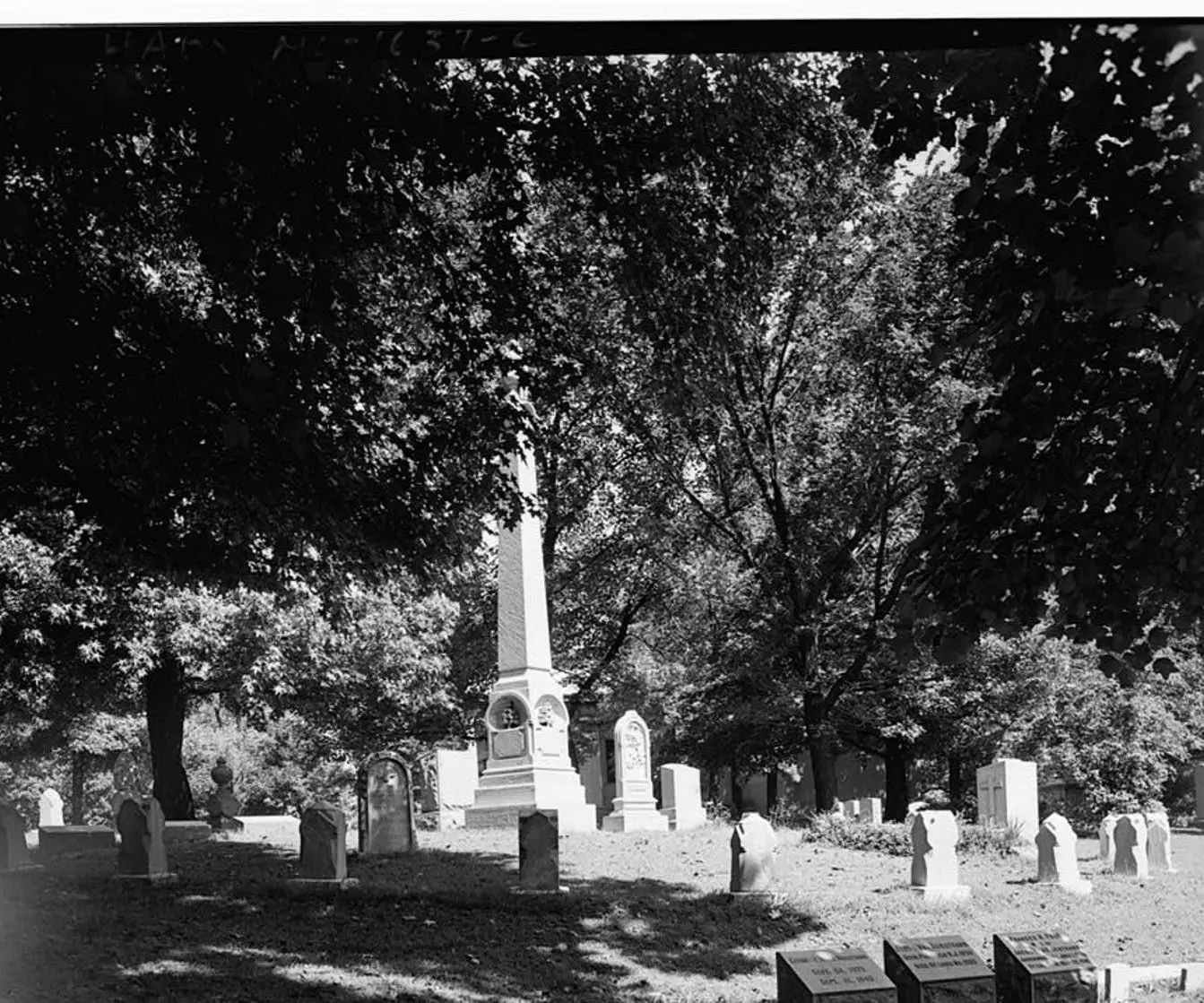
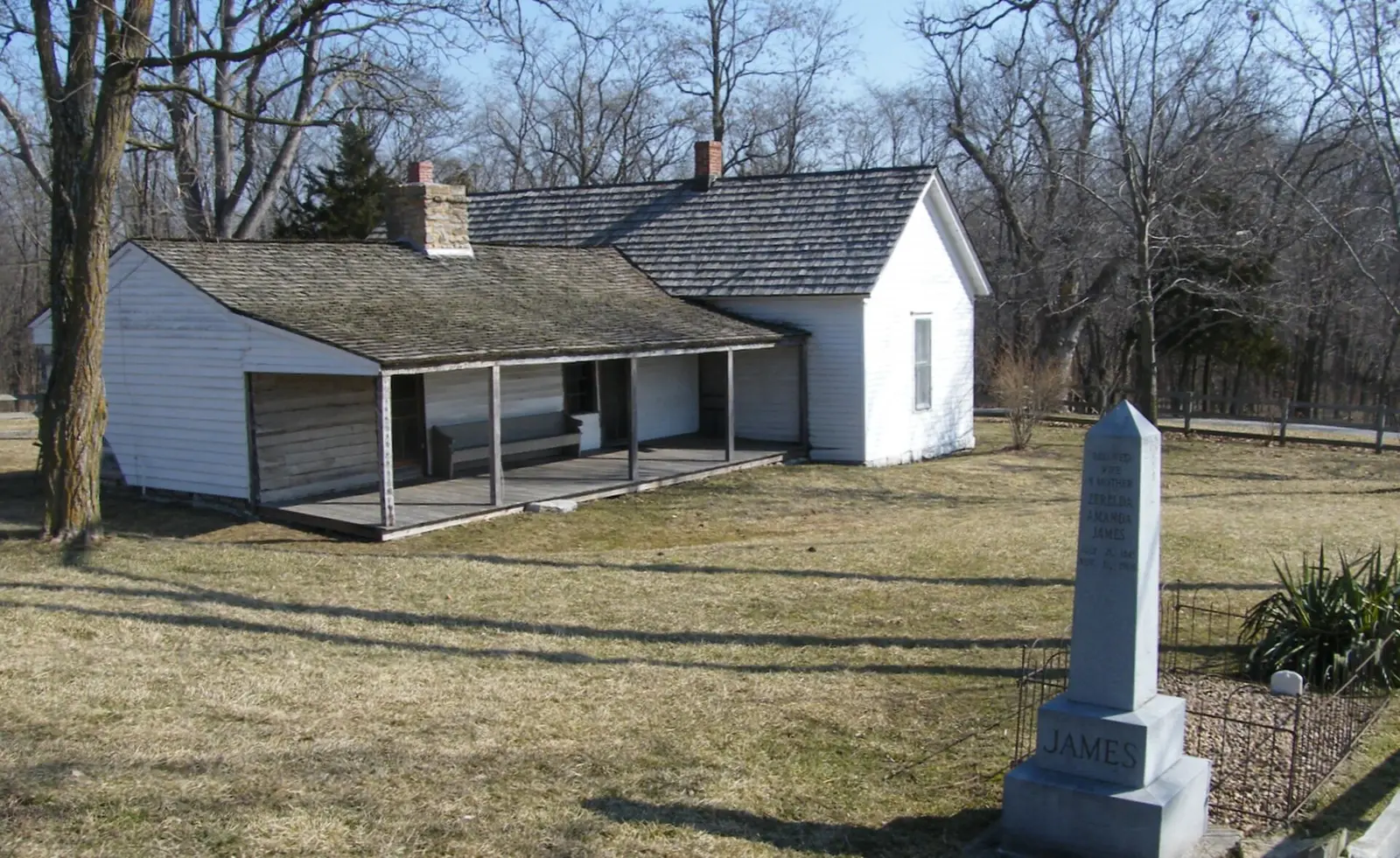
On the Missouri–Kansas line in 1856, freighter Alexander Majors built the Alexander Majors House as a base for the firm that later backed the Pony Express, and he enslaved at least 22 people; the museum has traced their names through deeds and census records. Near Kearney, the log house at the Jesse James Farm is where Frank and Jesse James were born, on a hemp farm worked by people the family enslaved, and an 1875 attack there killed Jesse's half-brother Archie. In St. Louis, Bellefontaine Cemetery, incorporated in the year of the city's cholera epidemic, barred the sale of graves to Black people from 1854 to 1878.
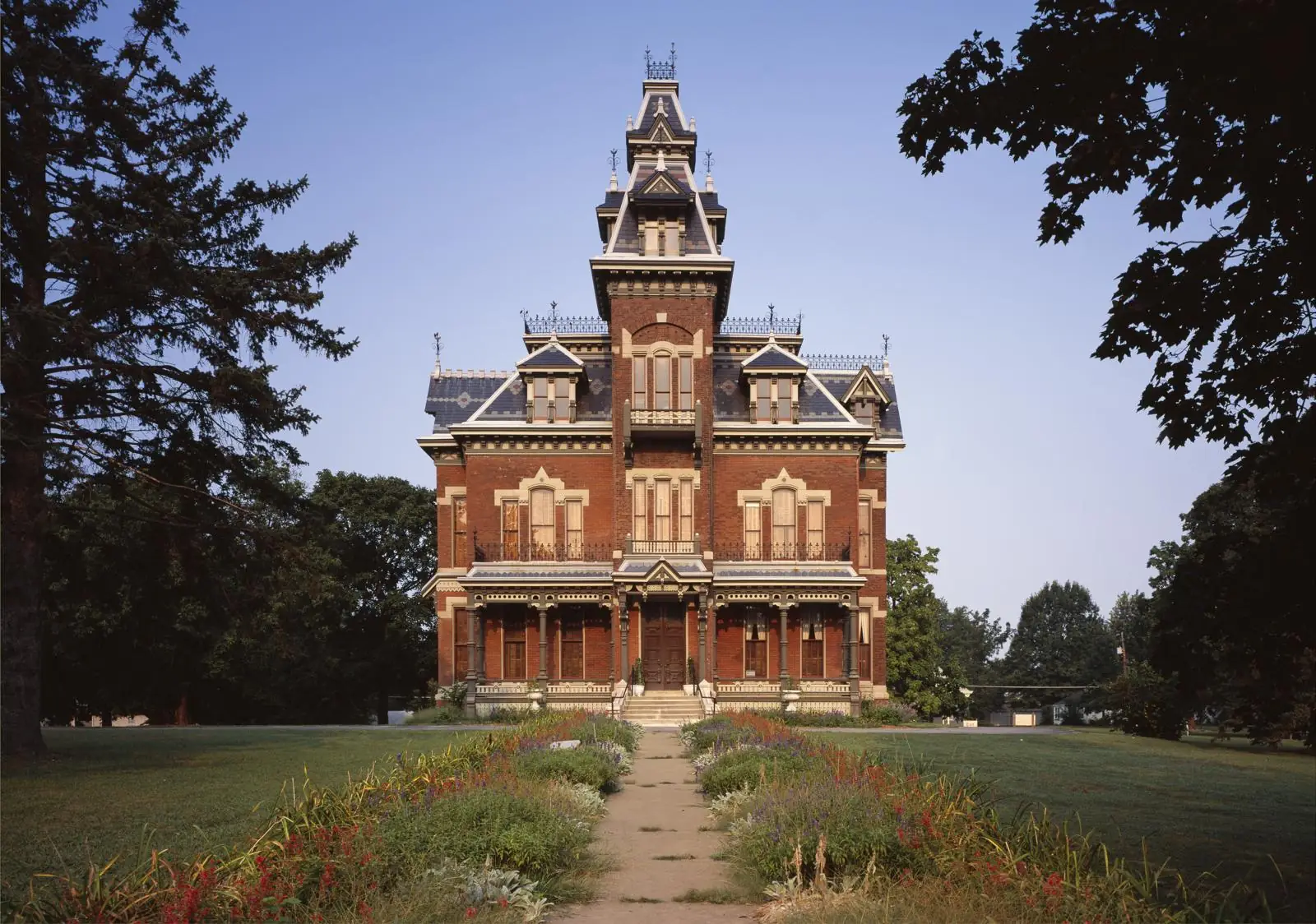
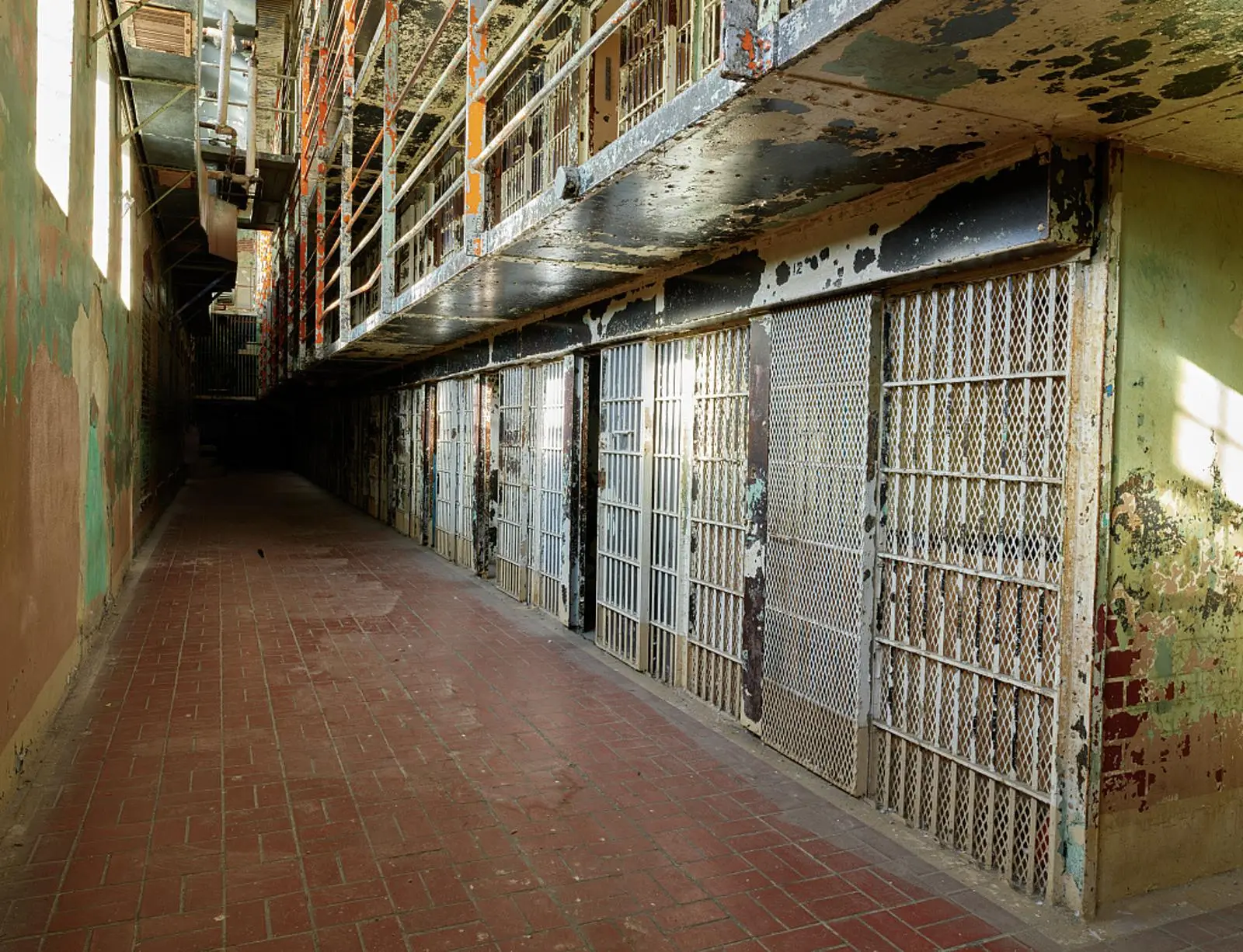
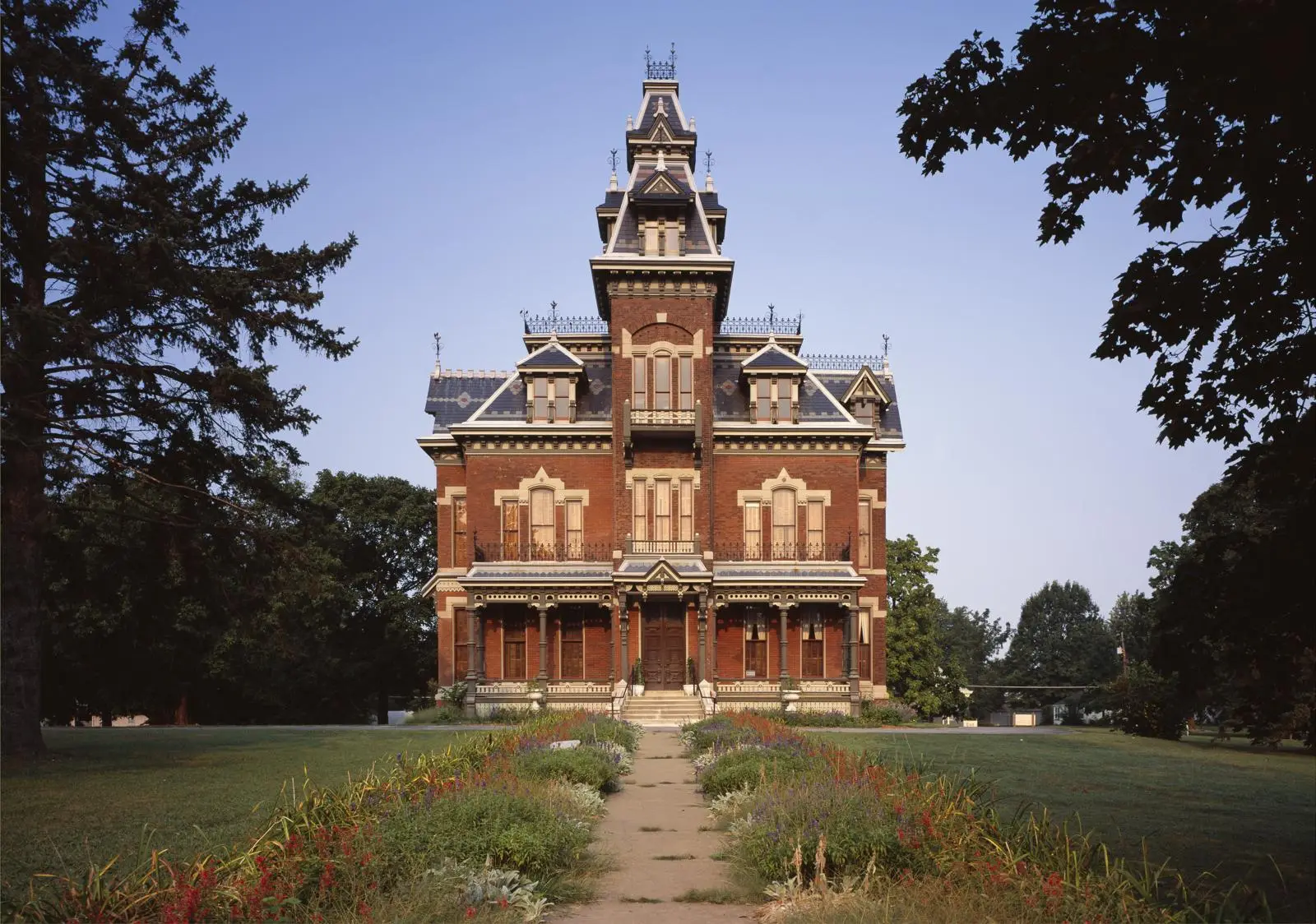
The state's institutions form a second thread. The Missouri State Penitentiary opened in 1836 as the first state prison west of the Mississippi River and held people until 2004, and the Glore Psychiatric Museum tells the history of mental health care in a former building of St. Joseph State Hospital. In Independence, mail-route contractor Harvey Vaile completed the 31-room Vaile Mansion in 1881.
Most Missouri stories are legend or secondhand. We found no traceable account at the James farm or Bellefontaine, and volunteers at the Vaile Mansion and the Majors museum's curator say they have experienced nothing. The clearest accounts come from staff at the prison and the psychiatric museum, both of which sell ghost tours or paranormal rentals.
 Historic houses and mansions (2)
 Cemeteries (1)
 Hotels and inns (1)
 Prisons and jails (1)
 Nearby states