← Boston Fort Warren
Fort Warren
A Civil War prison and the Lady in Black
Boston, Massachusetts
Fort Warren is a Civil War-era granite fort on Georges Island in Boston Harbor, where the Union held Confederate prisoners.
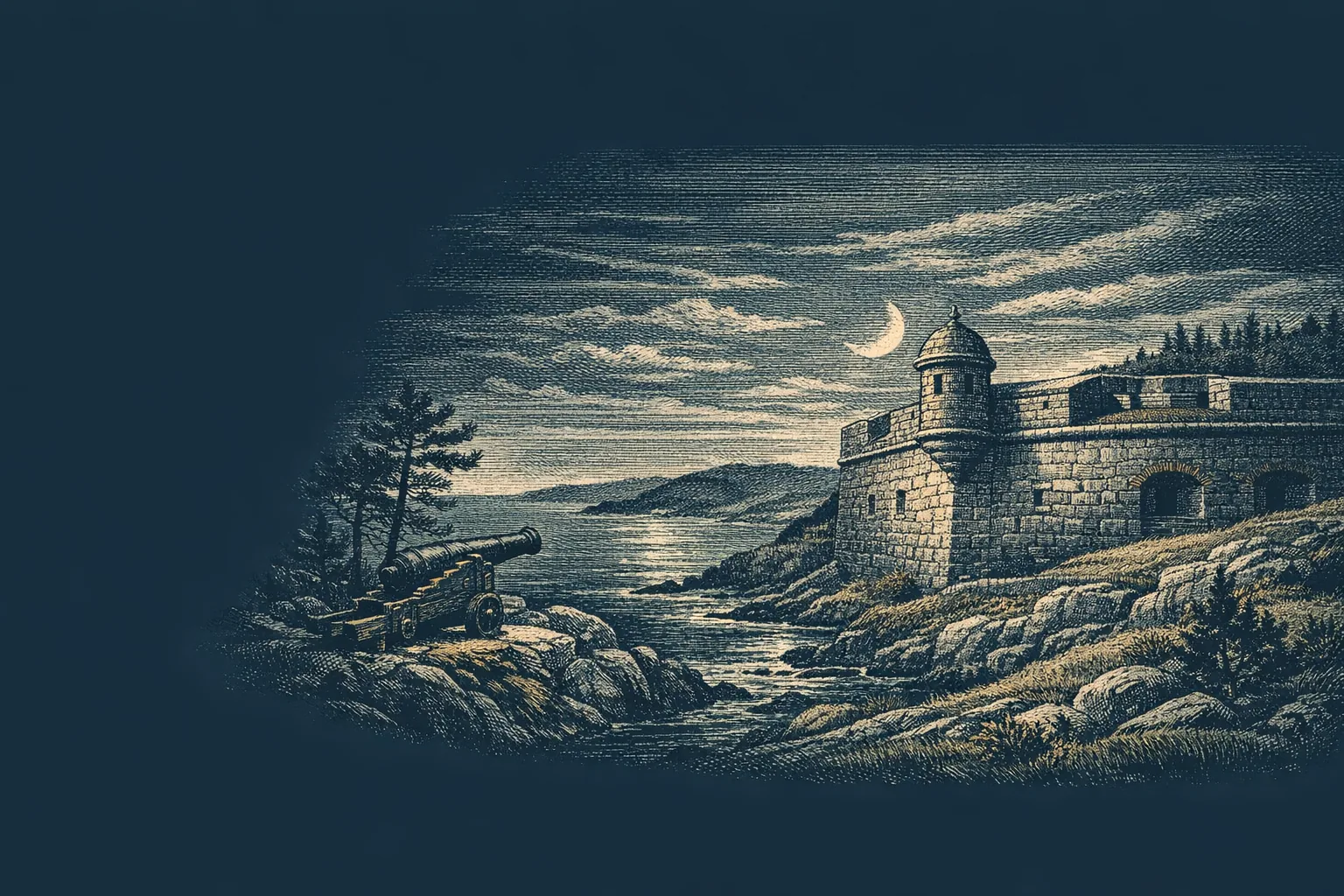
Decorative engraving of a fort.
What do we know about Fort Warren?
The Lady in Black is a legend with a known author. The earliest version we found is in Edward Rowe Snow's 1935 history of the harbor islands, which he offered 'without the slightest guarantee that any part of it is true'. Snow also reported, without names, soldiers finding a woman's footprints in the snow and a sergeant hearing a warning voice in the early 1930s.

Our rating of the reports about Fort Warren: Documented Accounts. At least one traceable published or first-hand account of an unexplained experience. We check that the reports exist, not the supernatural. The rating describes the evidence for the reports, not whether the place is haunted.
- Reported accounts
- 2
- Counted for the rating
- 1
- Research sources
- 6
Counted for the rating: independent accounts we could trace to a witness. Retellings of the same story count once, and staff passing on what visitors said aren’t counted. How we count
Reported experiences don’t establish a supernatural cause.
Read our evidence assessment →The hauntings
Accounts, encounters and stories associated with Fort Warren.

What has been reported?
- Voices
- Apparitions
- Moving objects
Phenomena described in accounts associated with this location — not independently verified events.
Reported experiences
2 published and reported accounts, each assessed by its source.
Account 01 · 1935 · 2 versions
The Andover Press, Andover, Mass., 1935
Snow wrote in 1935 that 'two winters ago' three soldiers walking under the fort's sally port found five prints of a girl's shoe in fresh snow, leading nowhere, and that 'last summer' a sergeant from Fort Banks climbing the ladder to the Corridor of Dungeons heard…
- Voices
- Apparitions
- Moving objects
Published accountReported by Unnamed soldiers at Fort Warren (via Edward Rowe Snow, 1935)Note: The soldiers are not named, and Snow tells these within a legend he does not vouch for.
Read full account ›
Snow wrote in 1935 that 'two winters ago' three soldiers walking under the fort's sally port found five prints of a girl's shoe in fresh snow, leading nowhere, and that 'last summer' a sergeant from Fort Banks climbing the ladder to the Corridor of Dungeons heard a voice say "Don't come in here!"[4]
Snow also wrote that during the soldiers' card games a stone was twice rolled the length of the old ordnance storeroom with everyone accounted for, and that there were court-martial cases of sentries who shot at ghostly figures and one who deserted his post saying the lady in black robes had chased him.[4]
Note: Snow cites no court-martial records and names no one; we found none.
Account 02
Historical Digression, 2012
A local historian writing in 2012 said encounters with the Lady in Black had been reported in recent decades by police, researchers and army personnel.[3]
- Apparitions
No traceable witnessNote: No names, dates or sources are given.
Read full account ›
A local historian writing in 2012 said encounters with the Lady in Black had been reported in recent decades by police, researchers and army personnel.[3]
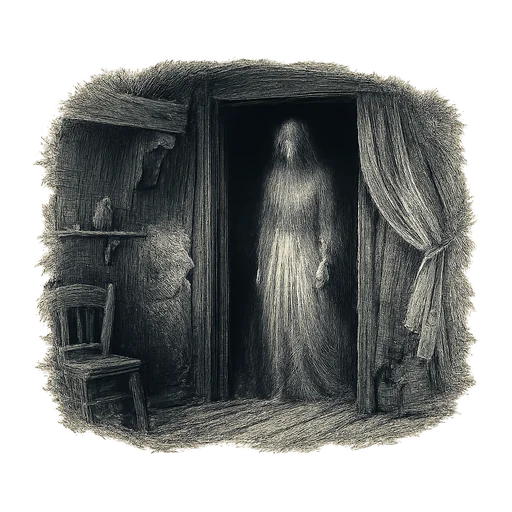
Legends & disputed stories
Stories told about the place that the records don’t confirm.

- Legend
In the legend of the Lady in Black, as first printed by Edward Rowe Snow, the young wife of a Confederate lieutenant captured at Roanoke Island rowed to the island disguised in men's clothing, was hoisted into the Corridor of Dungeons and helped the prisoners tunnel toward the parade ground. When they were discovered she tried to fire an old pistol, which burst and killed her husband; the commander sentenced her to hang as a spy, and at her request she was hanged in black robes.[3][4]
What the research shows: Snow introduced it as a legend offered 'without the slightest guarantee that any part of it is true'.
- Legend
Later versions name the woman Melanie Lanier. Historians have found no record of any woman hanged at Fort Warren: Jay Schmidt's 2003 history of the fort found no period mention of one and calls the story probably untrue.[3][5]
What the research shows: We have not consulted Schmidt's book; his findings are known to us through these two sources.
- Legend
The National Park Service's summer ranger tours of the fort are typically followed by a telling of the Lady in Black story, and Peter Drummey of the Massachusetts Historical Society has called it one of the most enduring ghost stories of the harbor islands, describing her as appearing in black with a lantern or candle.[6][5]
Before you go
Planning a visit?
Location
Boston, Massachusetts
Open to visitors
Parts of the inside are open to the public.
Access details ›
On Georges Island in Boston Harbor Islands National Recreation Area, reached only by a paid public ferry in the summer season. The National Park Service lists no fee for its ranger-led fort tours, which are usually followed by a telling of the Lady in Black story. Inside the fort are narrow passages and steep stone stairs. Check the National Park Service and ferry sites for current schedules.
Entry
Free and paid areas
Access last checked November 17, 2026. Confirm times and prices before you travel.
Approximate location, within about 1 km.
The history of Fort Warren
Fort Warren is a Civil War-era granite fort on Georges Island in Boston Harbor, where the Union held Confederate prisoners. Its ghost is the Lady in Black, said to be a Confederate officer's wife hanged as a spy. The story was first printed by Edward Rowe Snow in 1935 with unnamed soldiers' experiences, and historians have found no record of any such execution. You can visit by ferry in summer.
- Established
- 1834–1863
- Also known as
- Georges Island
A fort at the mouth of the harbor
Georges Island sits at the throat of Boston Harbor. The United States acquired it from the City of Boston in 1825, and in 1834 work began on Fort Warren under Lieutenant Colonel Sylvanus Thayer of the Corps of Engineers. It is a star fort built mostly of Quincy granite, and it was finished during the Civil War.
A Civil War prison
The fort is best known as a prison. It held Confederate officers and Northern civilians suspected of sympathizing with the South, among them James Mason and John Slidell, the Confederate envoys taken from the British ship Trent in November 1861 and released a month later; Generals Simon Buckner and Richard Ewell; and, after the war, Confederate Vice President Alexander Stephens.
The fort was modernized in the 1870s and again in 1898–99, and was abandoned after World War II. The federal government deeded it to the Commonwealth's Metropolitan District Commission in 1958, and it is a National Historic Landmark.
The Lady in Black
The ghost story first appears, as far as we found, in Edward Rowe Snow's 1935 book on the harbor islands, which he introduced as a legend offered "without the slightest guarantee that any part of it is true". In his version, the young wife of a Confederate lieutenant held at the fort rowed to the island disguised as a man, slipped in through a gun opening and helped the prisoners tunnel out. Caught, she fired an old pistol that burst and killed her husband, and the commander sentenced her to hang as a spy. She asked to die in women's clothing and was hanged in black robes.
Later tellings give her the name Melanie Lanier. Historians have found no record of any woman executed at Fort Warren, and Jay Schmidt's history of the fort calls the story probably untrue.
What soldiers were said to experience
Snow wrote that two winters before, three soldiers had found five prints of a girl's shoe in fresh snow under the sally port, leading nowhere, and that the previous summer a sergeant climbing to the Corridor of Dungeons heard a voice say "Don't come in here!" He added that a stone once rolled the length of an ordnance storeroom during a card game, and that court-martial records showed sentries shooting at ghostly figures, though he cited none. He named no one.
Through the years
1834
Construction of Fort Warren begins
The United States acquired Georges Island from the City of Boston in 1825, and construction of Fort Warren began in 1834 under Lieutenant Colonel Sylvanus Thayer of the Corps of Engineers. The bastioned star fort, built mostly of…
1861
Mason and Slidell held at the fort
During the Civil War the fort held Confederate officers and Northern civilians suspected of Confederate sympathies. Among them were the Confederate envoys James Mason and John Slidell, seized from the British ship Trent in November 1861 and released…
Read more ›
During the Civil War the fort held Confederate officers and Northern civilians suspected of Confederate sympathies. Among them were the Confederate envoys James Mason and John Slidell, seized from the British ship Trent in November 1861 and released after a month, and Generals Simon Buckner and Richard Ewell.[1][2]
1865
Alexander Stephens imprisoned
Immediately after the war the fort held Alexander Stephens, Vice President of the Confederacy.[2]
1958
Fort deeded to Massachusetts
The fort was modernized in 1871–76 and 1898–99, remained Boston Harbor's principal fortification until it was abandoned after World War II, and was deeded by the United States to the Metropolitan District Commission of Massachusetts in 1958. It is a National Historic Landmark.[2]
The research conclusion

Why it has this rating
One origin: Edward Rowe Snow, who in 1935 reported unnamed soldiers finding footprints in snow and a sergeant hearing a voice, giving it 'without the slightest guarantee'. Historians have found no record of any woman hanged at the fort.
Read the full written assessment ›
The fort's history is documented by its National Historic Landmark nomination: its construction from 1834, its use as a prison for Confederate officers and political prisoners, and its transfer to the state in 1958.
The Lady in Black is a legend with a known author. The earliest version we found is in Edward Rowe Snow's 1935 history of the harbor islands, which he offered 'without the slightest guarantee that any part of it is true'. Snow also reported, without names, soldiers finding a woman's footprints in the snow and a sergeant hearing a warning voice in the early 1930s. Historians, including Jay Schmidt in a 2003 history of the fort, have found no record that any woman was hanged there. What survives is one traceable source of experiences and a strong legend.
The sources behind the story
6 research references support this entry.

1National Park Service, Boston Harbor Islands National Recreation AreaExplore Fort Warren Official or site history · Reference 01
Explore Fort Warren. National Park Service, Boston Harbor Islands National Recreation Area.
NPS activity page, checked for access: fort built from the 1830s to the 1860s and used as a prisoner-of-war camp for Confederate soldiers and officers; reached by public ferry in summer; narrow passageways and steep stone stairs inside.
Accessed November 17, 2026.
2National Park Service (NPGallery)National Register of Historic Places Inventory–Nomination Form: Fort Warren (ref. 70000540) Register or nomination · Reference 02
John D. McDermott, National Register of Historic Places Inventory–Nomination Form: Fort Warren (ref. 70000540). National Park Service (NPGallery), 1970-03-10.
National Historic Landmark nomination by an NPS historian, read as a text PDF. Gives the 1825 acquisition, construction from 1834 under Sylvanus Thayer, the prisoners (Mason and Slidell, Buckner, Ewell, Stephens), modernization in 1871–76 and 1898–99, abandonment after World War II, the 1958 deed to the Metropolitan District Commission, and boundary coordinates. Lists Snow's 'Historic Fort Warren' in its bibliography; nothing about ghosts.
Accessed November 17, 2026.
3Historical Digression (blog)Fort Warren's 'Lady in Black'… Debunked Website · Reference 03
Patrick Browne, Fort Warren's 'Lady in Black'… Debunked. Historical Digression (blog), 2012-10-17.
History blog by a local historian. Traces the story to Snow (he found the 1944 'Romance of Boston Bay', not the 1935 book), quotes Snow's disclaimer, and reports that Jay Schmidt's 2003 history of the fort found no period mention of a woman hanged there; concludes Snow probably invented it. Mentions unnamed modern reports by police, researchers and army personnel.
Accessed November 17, 2026.
4The Andover Press, Andover, Mass.The Islands of Boston Harbor, Their History and Romance, 1626–1935 Book · Reference 04
Edward Rowe Snow, The Islands of Boston Harbor, Their History and Romance, 1626–1935. The Andover Press, Andover, Mass., 1935.
Local history by a popular harbor historian and storyteller, read in full text on the Internet Archive (copyright not renewed; catalog dates this first edition 1936, the title page 1935). Pages 72–74 give the Lady in Black legend 'without the slightest guarantee that any part of it is true', plus unnamed soldiers' experiences 'two winters ago' and 'last summer', a rolling stone in the ordnance storeroom and unspecified court-martial cases. The earliest version we found; Snow is the single origin of the story.
Accessed November 17, 2026.
5WBUR (Boston public radio)The Weekender: Boston haunted locations, Green Line ghosts, witches and the harbor islands (title paraphrased from the page address) Television or radio · Reference 05
Hanna Ali, The Weekender: Boston haunted locations, Green Line ghosts, witches and the harbor islands (title paraphrased from the page address). WBUR (Boston public radio), 2024-10-25.
Public radio newsletter piece that says it cannot settle whether ghosts exist. Cites boston.gov for the Central Burying Ground and the 1895 subway disturbance (about 90 bodies in undisturbed tombs and about 820 in other conditions); relays a ghost-tour guide's accounts of Green Line operators seeing British soldiers; retells the Fort Warren 'Lady in Black' legend with comments from Peter Drummey of the Massachusetts Historical Society and Jay Schmidt's view that it is 'probably not' true.
Accessed November 17, 2026.
6National Park Service, Boston Harbor Islands National Recreation AreaFort Tours on Georges Island Official or site history · Reference 06
Fort Tours on Georges Island. National Park Service, Boston Harbor Islands National Recreation Area.
NPS activity page, checked for access: daily ranger tours in summer timed to the ferries, about 45 minutes, 'typically followed by a telling of the story of the Lady in Black'; activity fee 'No'; ferry tickets sold through the park partnership.
Accessed November 17, 2026.
More haunted places
Explore nearby
Hotel
Omni Parker House
Boston, Massachusetts · 7.1 miles away · Open to visitors
Cemetery
Boston Common and the Central Burying Ground
Boston, Massachusetts · 7.5 miles away · Outside only
Hotel
Joshua Ward House
Salem, Massachusetts · 14 miles away · By permission
Museum
The Witch House (Jonathan Corwin House)
Salem, Massachusetts · 14 miles away · Open to visitors

Similar places
Also a fort
Fort · GA
Fort Pulaski National Monument
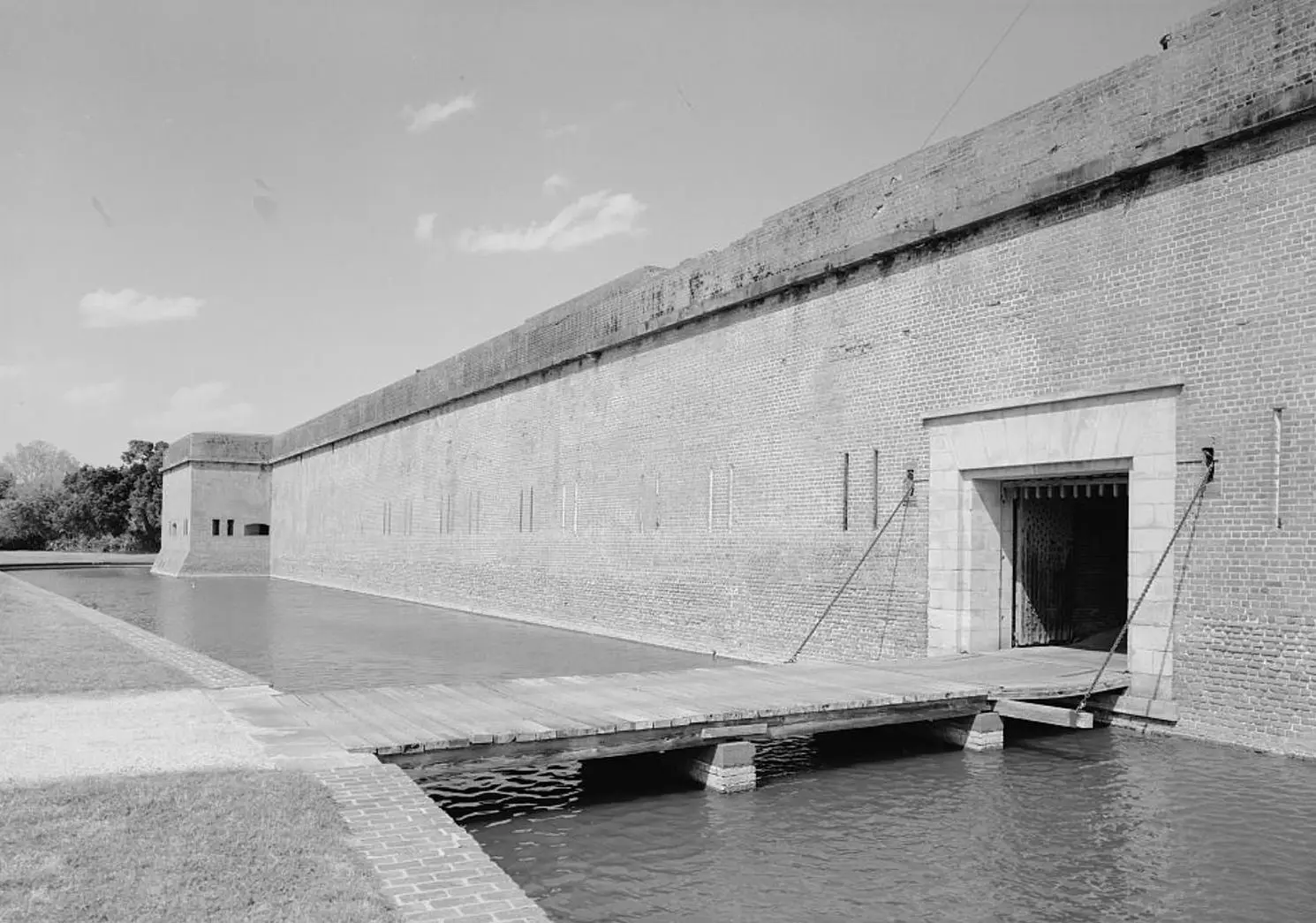
Fort Pulaski, on Cockspur Island near Savannah, is a brick fort finished in 1847 and breached by Union rifled cannon in 1862.
UnverifiedOpen to visitorsAlso a fort · also reported: moving objects
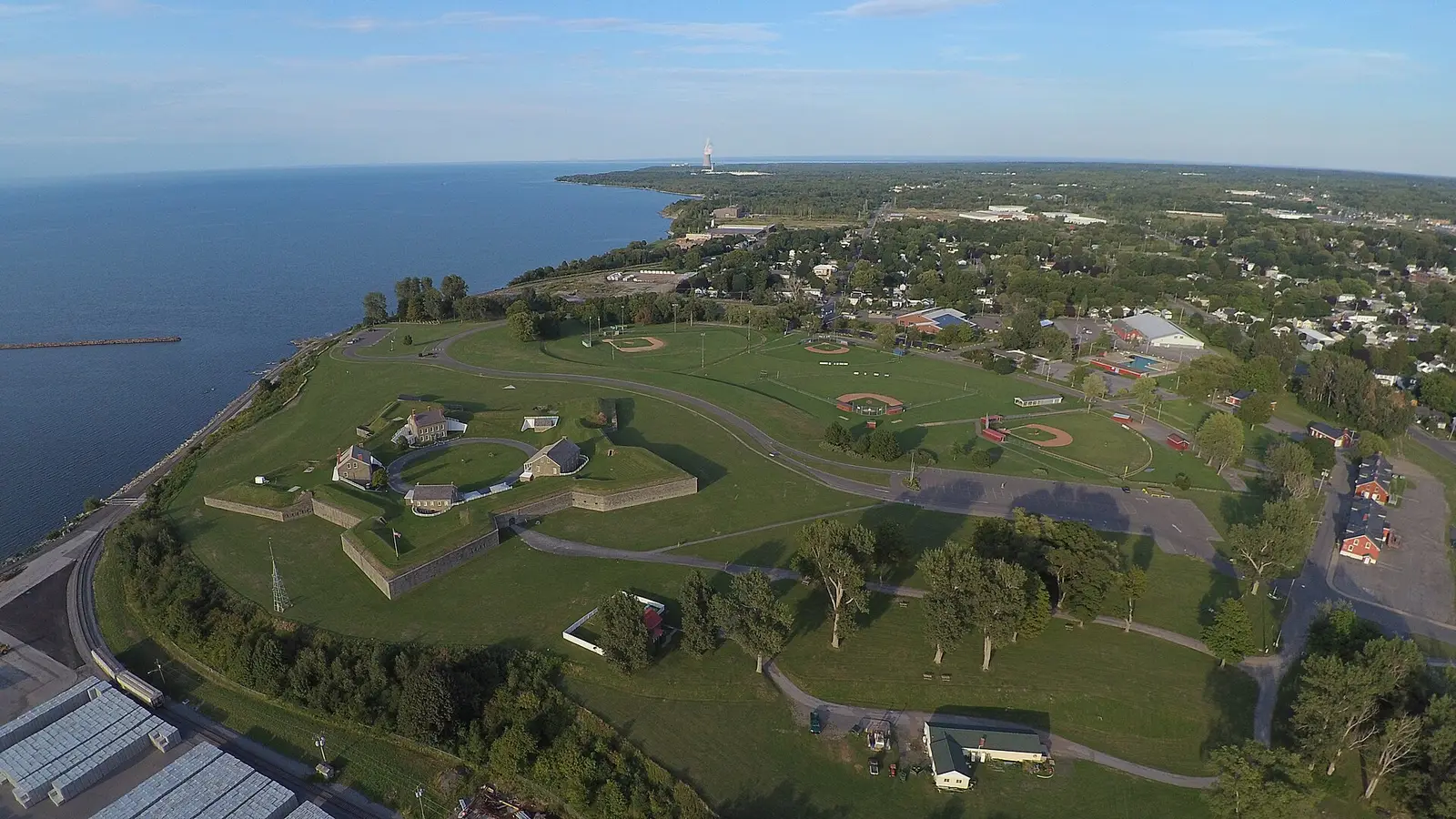
Fort · Oswego, NY
Fort Ontario State Historic Site
Fort Ontario in Oswego guarded the mouth of the Oswego River from 1755 and, in 1944–46, sheltered 982 refugees fleeing the Holocaust.
Documented AccountsOpen to visitorsAlso a fort · also reported: moving objects
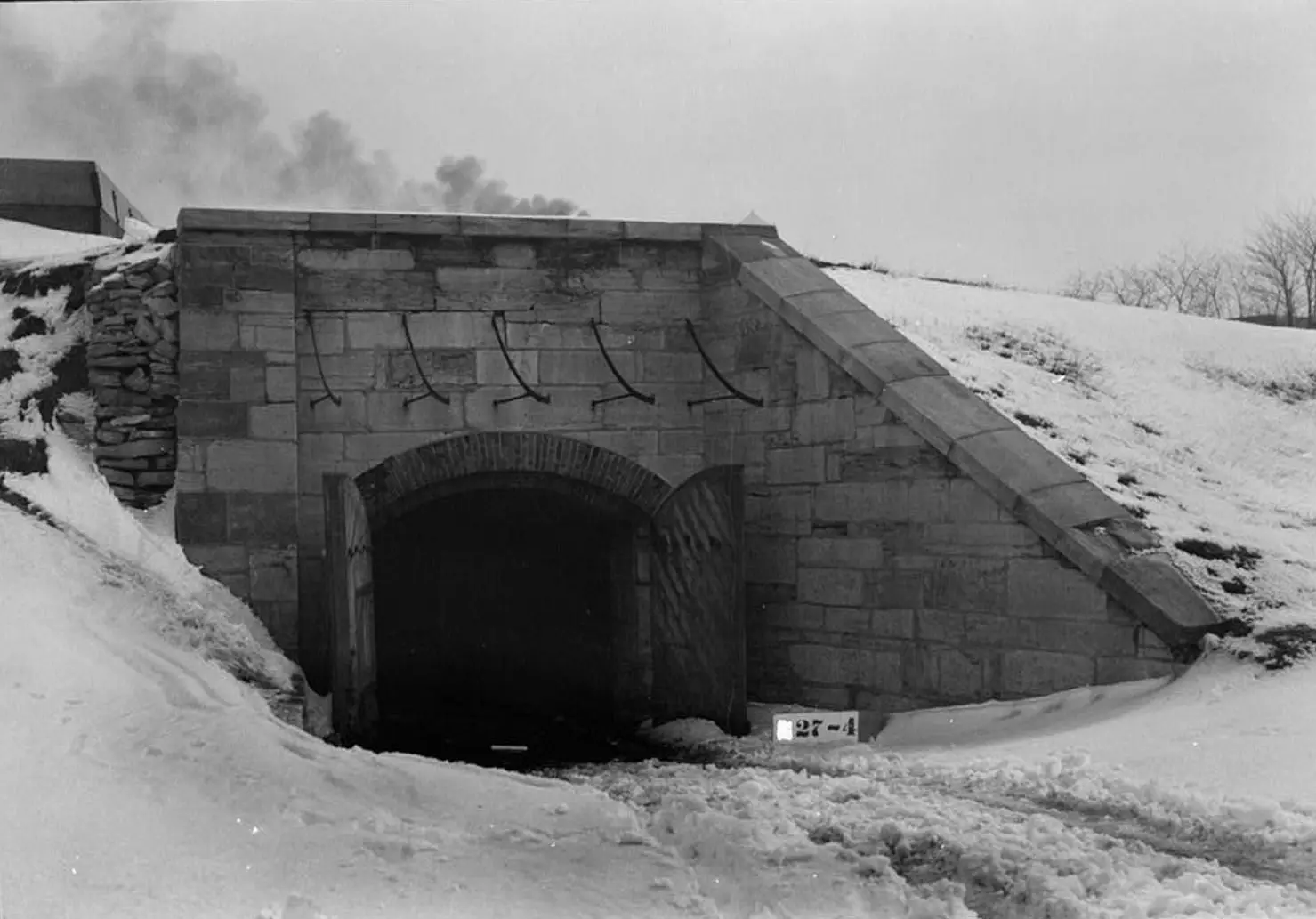
Fort · Detroit, MI
Historic Fort Wayne
Historic Fort Wayne is an 1840s star fort on the Detroit River, used by the U.S. Army from the Civil War to the Vietnam era and now a city park with a Native American burial mound.
Documented AccountsOutside onlyAlso a fort · also reported: moving objects
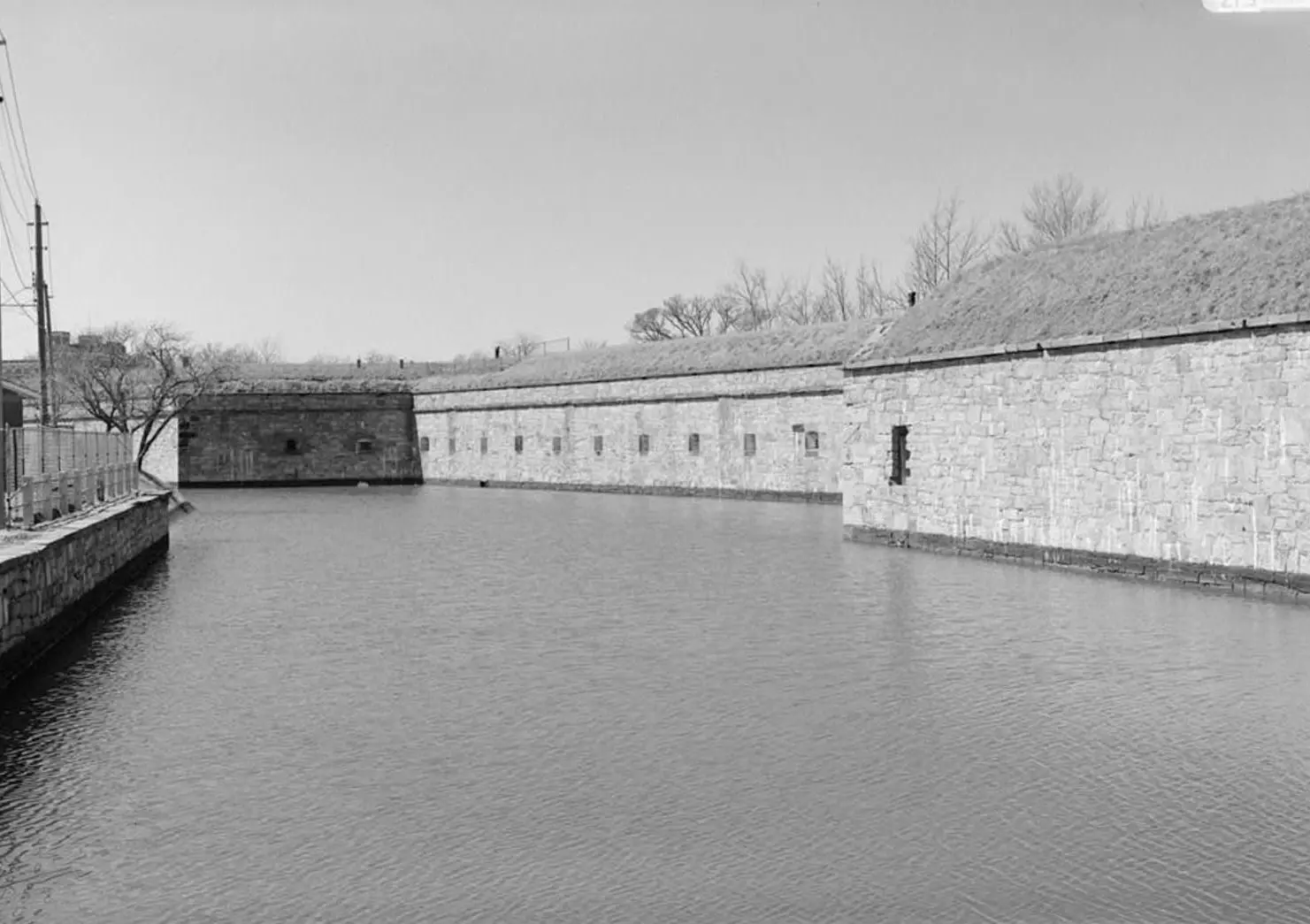
Fort · Hampton, VA
Fort Monroe National Monument
Fort Monroe in Hampton stands at Point Comfort, where enslaved Africans were brought ashore in 1619, and became Freedom's Fortress in 1861 when General Butler refused to return three freedom seekers.
Documented AccountsOpen to visitors