← Battle Ground Tippecanoe Battlefield
Tippecanoe Battlefield
Battle Ground, Indiana
Tippecanoe Battlefield in Battle Ground, Indiana, is where warriors of Tecumseh and Tenskwatawa's confederacy fought William Henry Harrison's army on November 7, 1811.
What do we know about Tippecanoe Battlefield?
The haunting evidence is weak. The best-known motif, the Prophet still singing on his hill, comes from a former park sign quoted by ghost hunters, not from any Native tradition we could find. The only traceable accounts are two Ghost Research Society visits, which mostly report device readings and recordings, plus one investigator's feeling of sadness.
Our rating of the reports about Tippecanoe Battlefield: Unverified. A haunted reputation or legend, but no traceable account of an experience so far. The rating describes the evidence for the reports, not whether the place is haunted.
- Reported account
- 1
- Counted for the rating
- 0
- Research sources
- 6
Counted for the rating: independent accounts we could trace to a witness. Retellings of the same story count once, and staff passing on what visitors said aren’t counted. How we count
Reported experiences don’t establish a supernatural cause.
Read our evidence assessment →The hauntings
Accounts, encounters and stories associated with Tippecanoe Battlefield.
What has been reported?
- Voices
Phenomena described in accounts associated with this location — not independently verified events.
Reported experiences
1 published and reported account, each assessed by its source.
Account 01 · 2021 · 2 versions
Ghost Research Society, 2021
On a May 2021 visit, Ghost Research Society leader Dale Kaczmarek said he felt sadness near the battle markers and Charles Williams recorded what sounded to him like a voice saying "Owww"; Mike Rosario recorded nothing.[5]
- Voices
Published accountReported by Ghost Research Society (Dale Kaczmarek, Charles Williams, Mike Rosario), 2021Note: Daytime visit with heavy visitor and wind noise; two of three members reported no personal experience.
Read full account ›
On a May 2021 visit, Ghost Research Society leader Dale Kaczmarek said he felt sadness near the battle markers and Charles Williams recorded what sounded to him like a voice saying "Owww"; Mike Rosario recorded nothing.[5]
On a May 2022 visit, the same group's device sessions produced words such as "Owen" near the place where Colonel Owen was killed, which Dale Kaczmarek took as meaningful.[6]
Note: The words came from 'spirit box' style devices and apps that output random words; another member reported a quiet day with no experiences.
Legends & disputed stories
Stories told about the place that the records don’t confirm.
- Legend
Ghost Research Society members recalled a former park sign at Prophet's Rock saying that the Prophet still walks the hill singing to his warriors.[5]
What the research shows: Known only from the group's quotation; the sign is gone and its date and author are unknown. No Native tradition behind the motif was found.
Before you go
Planning a visit?
Open to visitors
Parts of the inside are open to the public.
Access details ›
The battlefield park, owned by Tippecanoe County Parks and Recreation, is open daily from dawn to dusk; the museum, run by the Tippecanoe County Historical Association, charges admission. The official page does not say whether the grounds are free. The battlefield includes a cemetery and memorials to the dead, so please visit respectfully. Check the official site for museum hours.
Entry
Paid entry
Access last checked November 16, 2026. Confirm times and prices before you travel.
The history of Tippecanoe Battlefield
Tippecanoe Battlefield in Battle Ground, Indiana, is where warriors of Tecumseh and Tenskwatawa's confederacy fought William Henry Harrison's army on November 7, 1811. It is now a county park with a museum run by the Tippecanoe County Historical Association. Its ghost lore is slight: a former park sign said the Prophet could still be heard singing on Prophet's Rock, and a paranormal group has published two visits.
- Also known as
- Tippecanoe Battlefield Park
Prophetstown
According to the Indiana Department of Natural Resources, the Tippecanoe valley lies within the ancestral homeland of the Myaamia (Miami), and Shawnee, Lenape (Delaware) and Bodewadmi (Potawatomi) people also lived in the area. The National Historic Landmark nomination notes that between 1795 and 1809 Native nations in the region gave up nearly 15 million acres through treaties pressed by William Henry Harrison, governor of Indiana Territory. Resistance grew around the Shawnee religious leader Tenskwatawa, known as the Prophet, and his brother Tecumseh. In 1808, by the Indiana DNR's date (the NHL nomination gives 1809), Tenskwatawa and followers from many nations founded Prophetstown where the Tippecanoe meets the Wabash, and it grew to more than a thousand people. Tecumseh rejected a later treaty that would have given up more land.
The battle
In the fall of 1811, with Tecumseh away seeking allies in the South, Harrison marched about 1,000 men to the area and camped near Prophetstown on November 6. Before dawn on November 7, warriors attacked the camp. The only recorded Native account, from Shabonee, who fought that day, describes them creeping through marsh and tall grass to surround the camp, while Tenskwatawa watched from a hill since called Prophet's Rock. The attack was driven off, Harrison's troops burned Prophetstown and its food stores, and the confederacy dispersed. The battle helped push the United States toward war with Britain in 1812 and later carried Harrison to the presidency.
The memorial
In 1836 John Tipton donated 16 acres of the camp site to the state. The NHL nomination says the site had long been interpreted as if history belonged to white culture alone. A marble obelisk went up in 1908; it is given as 85 feet tall today, though the 1975 nomination says 90. Today the county owns the park, and the Tippecanoe County Historical Association runs the museum.
Through the years
1795–1809
Land cessions
Between 1795 and 1809 Native nations in the region gave up nearly 15 million acres through treaties pressed by Indiana Territory governor William Henry Harrison; Tecumseh refused to accept a treaty that would have ceded more land near the Tippecanoe.[2]
1808
Prophetstown founded
In 1808, according to the Indiana DNR (the NHL nomination says 1809), the Shawnee religious leader Tenskwatawa, known as the Prophet, and followers from many nations founded Prophetstown at the junction of the Tippecanoe and Wabash rivers; his…
Read more ›
In 1808, according to the Indiana DNR (the NHL nomination says 1809), the Shawnee religious leader Tenskwatawa, known as the Prophet, and followers from many nations founded Prophetstown at the junction of the Tippecanoe and Wabash rivers; his brother Tecumseh provided strategic and military leadership, and the town grew to more than 1,000 people.[1][3]
1811
November 7, 1811
The NHL nomination cites the only recorded Native account of the battle, from Shabonee, who fought in it: warriors crept through marsh and tall grass to surround the camp, while Tenskwatawa watched from a hill some distance away now called Prophet's Rock.[2]
Caveat: The nomination calls Shabonee an Ottawa; other sources describe his nation differently, which was not checked.
1836
Memorial ground donated
In 1836 John Tipton donated 16 acres of the camp site to the State of Indiana as a memorial; the 1975 NHL nomination says the battle had long been interpreted 'as if history were the function solely of white culture.'[2]
1840
1840
The battle made Harrison the 'hero of the West' and helped him win the presidency in 1840.[2]
1908
Monument erected
A marble obelisk, given as 85 feet tall today and 90 feet in the 1975 nomination, was erected on the battlefield in 1908; the park is owned by Tippecanoe County Parks and Recreation and the museum is run by the Tippecanoe County Historical Association.[4]
Also recorded
The Tippecanoe valley lies within the ancestral homeland of the Myaamia (Miami); Shawnee, Lenape (Delaware) and Bodewadmi (Potawatomi) people also lived in the area.[1]
The research conclusion

Why it has this rating
No traceable account of an experience beyond one paranormal group's two visits, which produced mostly device recordings and a feeling of sadness, plus a line from a former park sign recorded as folklore. Device readings aren't treated as accounts. The 1811 battle is documented history and doesn't raise the rating.
Read the full written assessment ›
The battle and its causes are thoroughly documented. The 1975 National Historic Landmark nomination itself criticizes earlier interpretation of the site for treating history as if only white settlers made it, and it cites the one recorded Native account of the battle.
The haunting evidence is weak. The best-known motif, the Prophet still singing on his hill, comes from a former park sign quoted by ghost hunters, not from any Native tradition we could find. The only traceable accounts are two Ghost Research Society visits, which mostly report device readings and recordings, plus one investigator's feeling of sadness.
The sources behind the story
6 research references support this entry.

1Indiana Department of Natural ResourcesProphetstown State Park trail map and park story Official or site history · Reference 01
Prophetstown State Park trail map and park story. Indiana Department of Natural Resources, 2026-01.
State park brochure. Used for the Myaamia homeland, other nations in the area and the 1808 founding of Prophetstown by Tenskwatawa and followers from many nations. It gives the battle date as 'Nov. 11', an evident error; the battle was November 7.
Accessed November 16, 2026.
2National Park Service, NPGalleryTippecanoe Battlefield State Memorial, National Register of Historic Places Inventory-Nomination Form (National Historic Landmark) Register or nomination · Reference 02
Joseph Scott Mendinghall, Historic Sites Survey, NPS, Tippecanoe Battlefield State Memorial, National Register of Historic Places Inventory-Nomination Form (National Historic Landmark). National Park Service, NPGallery, 1975-05-27.
NPS landmark documentation (NRIS 66000013). Reliable for the battle's date, causes and significance, the 1836 Tipton donation and the boundary. Section 10 critiques earlier white-centered interpretation and cites Shabonee's account. Its own language ('Indians', 'hostile actions') is of its time.
Accessed November 16, 2026.
3Indiana Division of Historic Preservation and Archaeology, on Discover IndianaTippecanoe Battlefield Official or site history · Reference 03
Tippecanoe Battlefield. Indiana Division of Historic Preservation and Archaeology, on Discover Indiana.
State historic preservation office summary. Used for Prophetstown's population, settlers' desire for Native land, the dawn attack while Tecumseh was away, and the burning of the town and its food stores. Its NRHP date (1985) appears to refer to the Battle Ground Historic District, not the battlefield itself.
Accessed November 16, 2026.
4Tippecanoe County Historical AssociationTippecanoe Battlefield & Museum Official or site history · Reference 04
Tippecanoe Battlefield & Museum. Tippecanoe County Historical Association.
Official page of the association that runs the museum, checked 16 November 2026. Used for the 1908 obelisk, ownership by county parks, park hours and museum admission. Carries an out-of-date closure note from early 2025.
Accessed November 16, 2026.
5Ghost Research SocietyTippecanoe Battlefield Investigation Website · Reference 05
Dale Kaczmarek, Mike Rosario and Charles Williams, Tippecanoe Battlefield Investigation. Ghost Research Society, 2021.
A paranormal group's write-up of a daytime visit on May 15, 2021. It is where the former Prophet's Rock sign is quoted and where the members' experiences were published. Two of three members reported no personal experience; heavy visitor noise is noted.
Accessed November 16, 2026.
6Ghost Research SocietyTippecanoe Battlefield Investigation (May 27, 2022) Website · Reference 06
Dale Kaczmarek and team, Tippecanoe Battlefield Investigation (May 27, 2022). Ghost Research Society, 2022.
The same group's second visit. Results are words produced by 'spirit box' style devices and apps, which generate random words; one member reported a quiet day with no experiences.
Accessed November 16, 2026.
More haunted places
Explore nearby
Prison
Rotary Jail Museum
Crawfordsville, Indiana · 32 miles away · Open to visitors
Former asylum
Central State Hospital and the Indiana Medical History Museum
Indianapolis, Indiana · 61 miles away · Tours only
Historic house
Hannah House
Indianapolis, Indiana · 66 miles away · Tours only
Prison
Old Lake County Jail and Sheriff's House
Crown Point, Indiana · 68 miles away · Tours only
Similar places
Also a battlefield
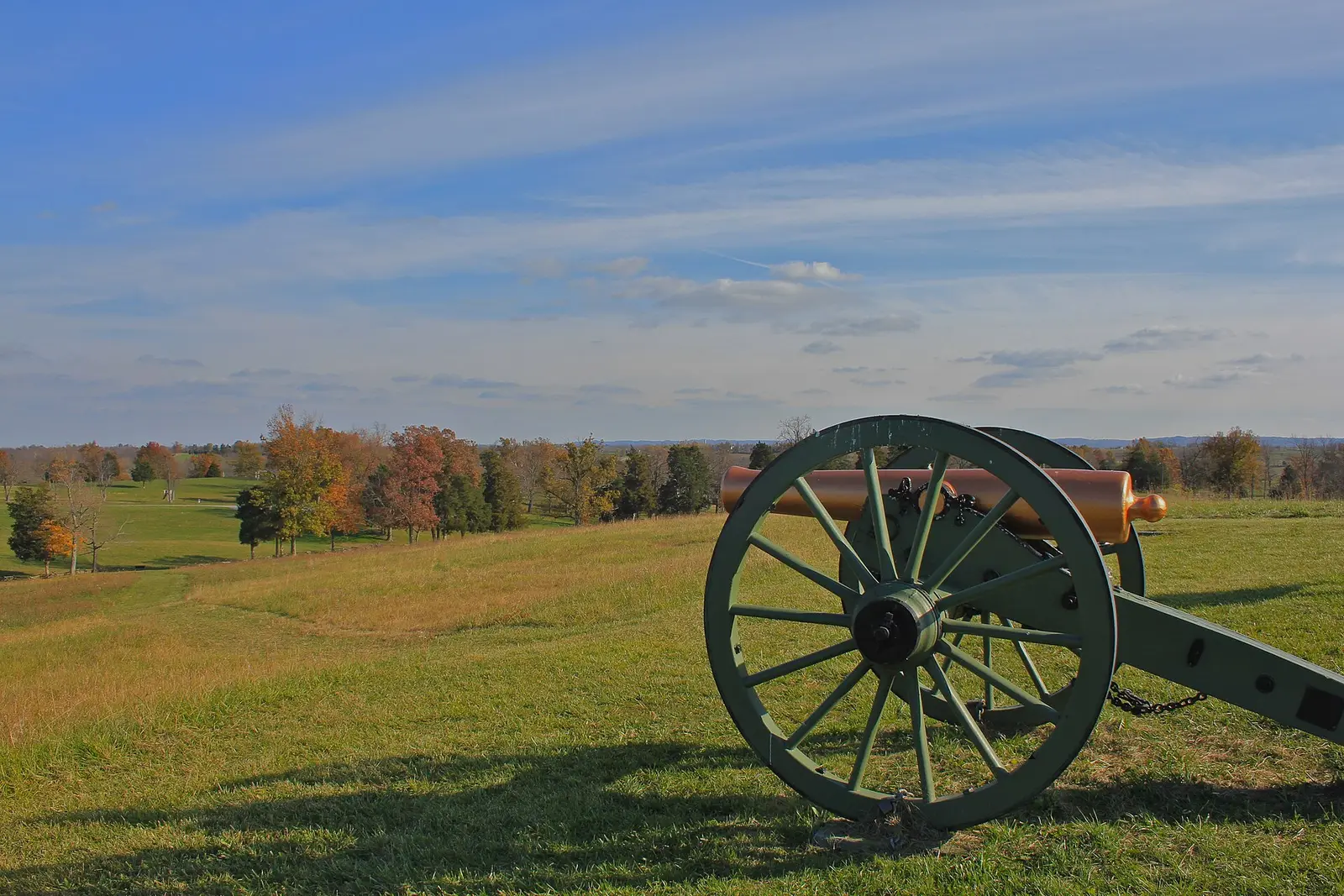
Battlefield · KY
Perryville Battlefield State Historic Site
Perryville Battlefield State Historic Site preserves the ground of Kentucky's largest Civil War battle, fought on October 8, 1862, which left more than 7,600 soldiers killed, wounded or missing.
Documented AccountsOutside onlyAlso a battlefield
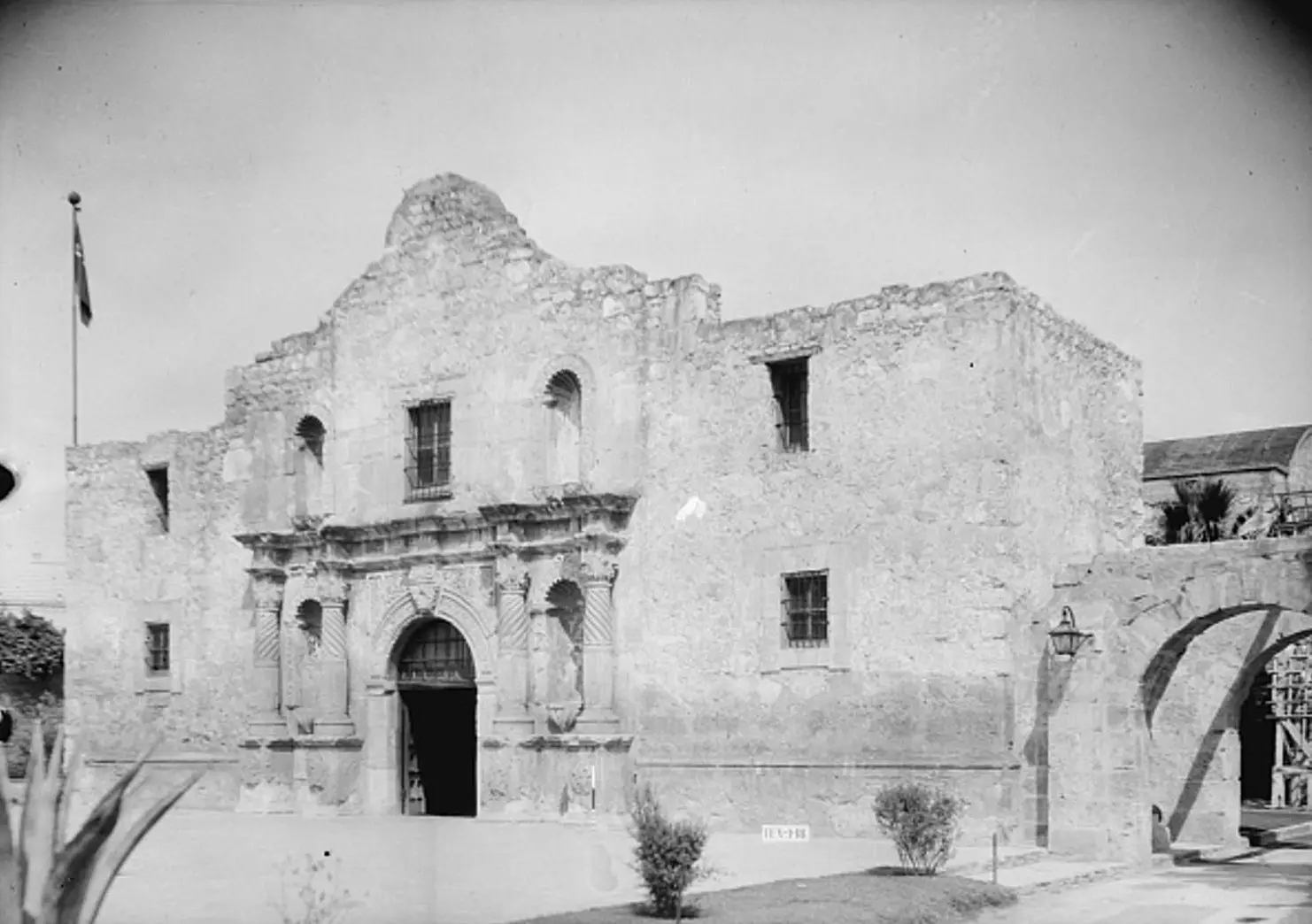
Battlefield · San Antonio, TX
The Alamo
The Alamo is the church of the former Mission San Antonio de Valero, founded in 1718 and the site of the 1836 siege.
Documented AccountsOpen to visitorsAlso a battlefield
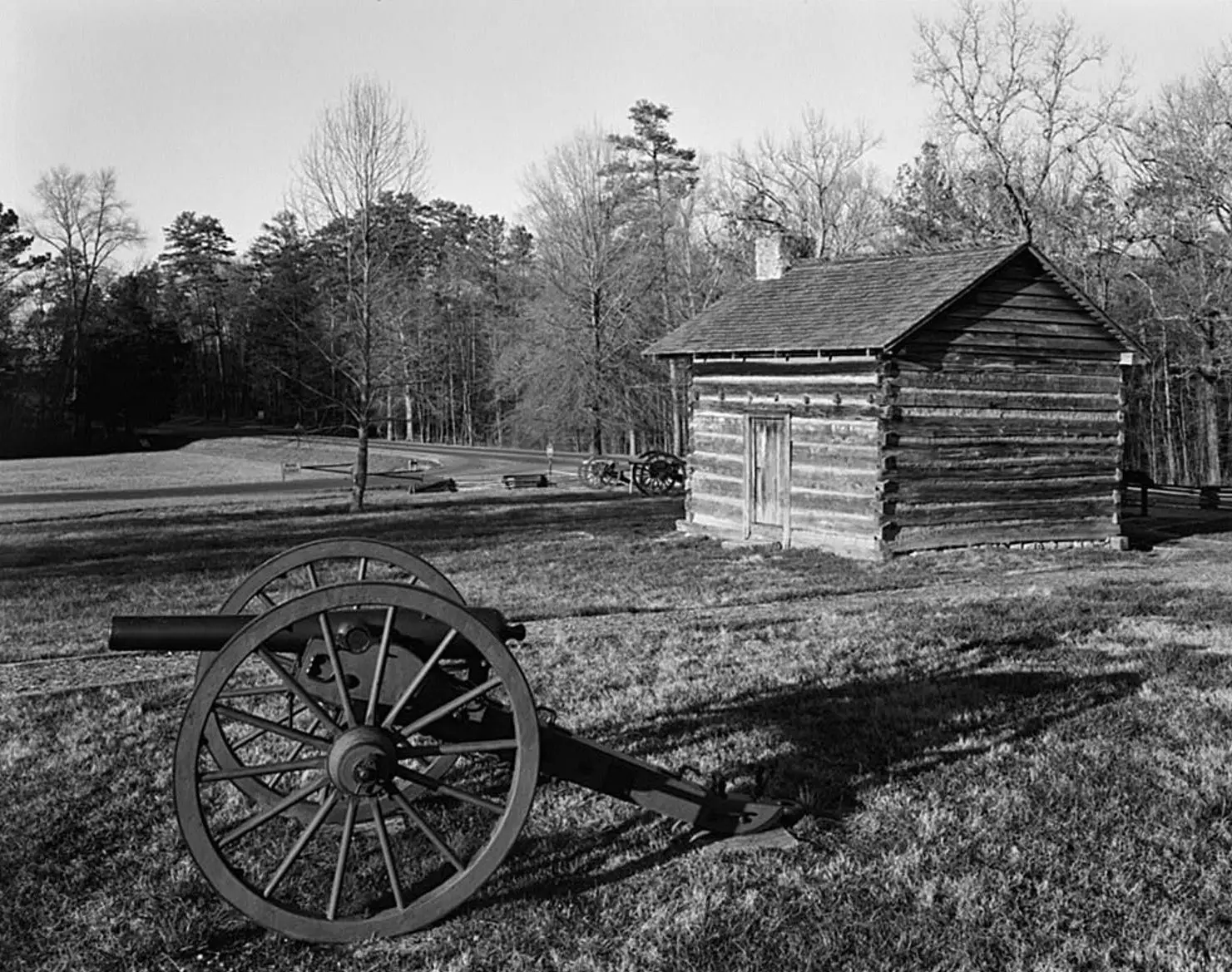
Battlefield · Fort Oglethorpe, GA
Chickamauga Battlefield, Chickamauga and Chattanooga National Military Park
Chickamauga, in northwest Georgia, was the site of a three-day 1863 battle with about 34,600 casualties, preserved since 1890 as the first national military park.
Documented AccountsOutside onlyAlso a battlefield
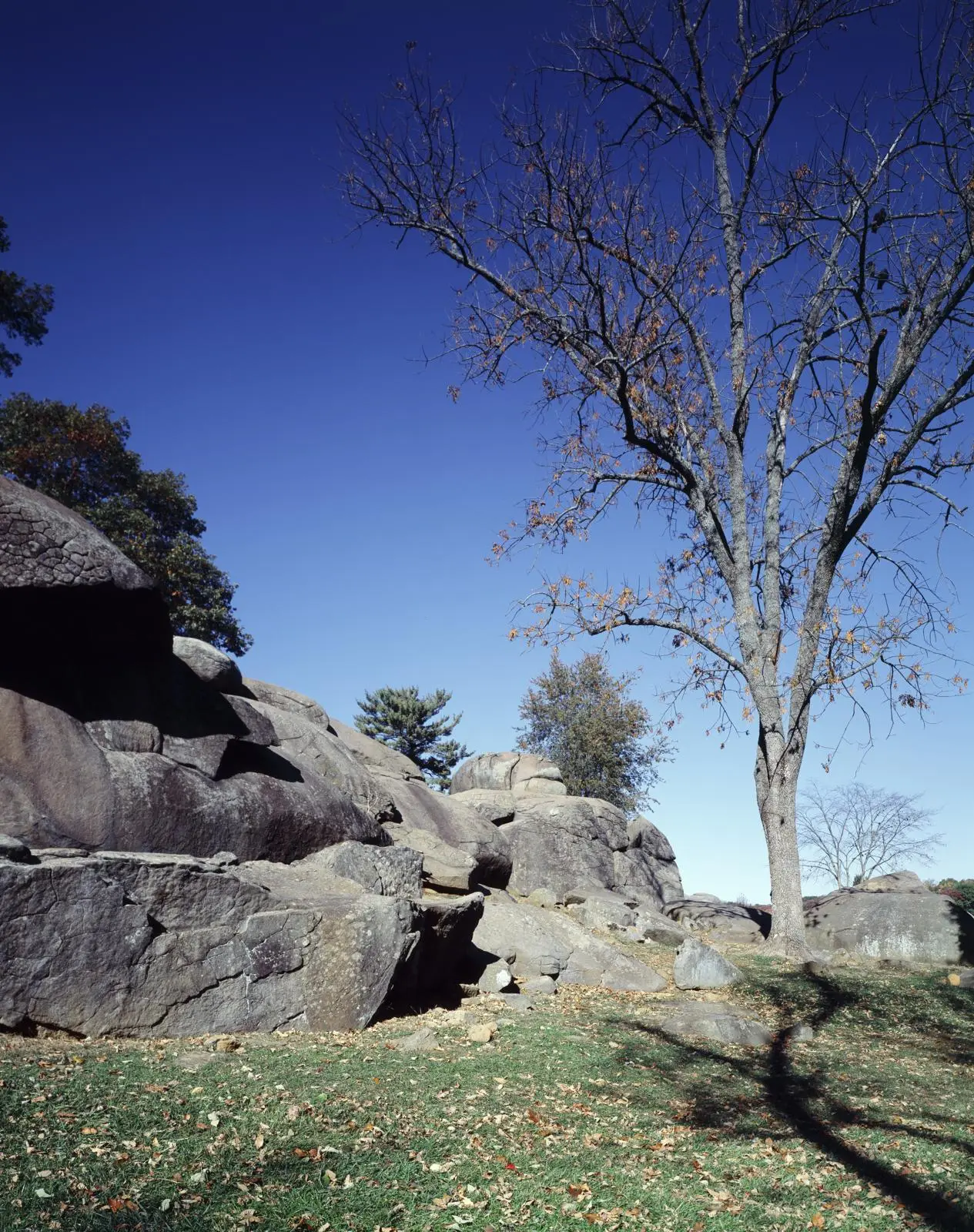
Battlefield · PA
Devil's Den
Devil's Den is a boulder field on the Gettysburg battlefield, fought over on July 2, 1863.
Documented AccountsOutside only