← Crawfordsville Rotary Jail Museum
Rotary Jail Museum
Crawfordsville, Indiana
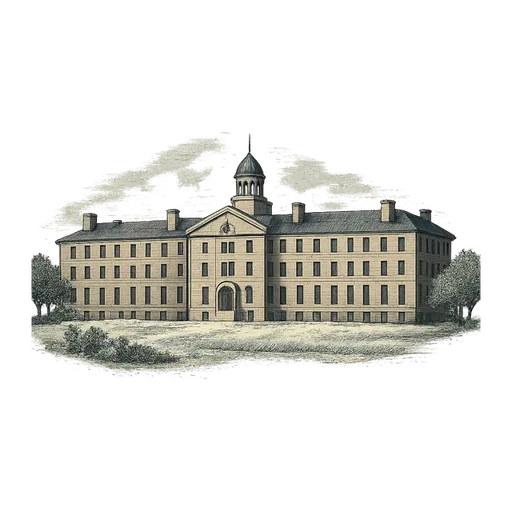
The Rotary Jail Museum in Crawfordsville is the 1882 Montgomery County jail, the first working rotary jail in the United States and now a National Historic Landmark.
What do we know about Rotary Jail Museum?
The ghost material is mixed. The earliest stories, from late 1885, are newspaper sensations about Coffee's ghost on a train and in the countryside, not in the jail. Modern reports come from the museum, which sells ghost hunts, and one docent quoted in the local paper, who calls herself a skeptic. A story that motion sensors trip every October reaches us only secondhand.
Our rating of the reports about Rotary Jail Museum: Documented Accounts. At least one traceable published or first-hand account of an unexplained experience. We check that the reports exist, not the supernatural. The rating describes the evidence for the reports, not whether the place is haunted.
- Reported accounts
- 3
- Counted for the rating
- 2
- Research sources
- 8
Counted for the rating: independent accounts we could trace to a witness. Retellings of the same story count once, and staff passing on what visitors said aren’t counted. How we count
Reported experiences don’t establish a supernatural cause.
Read our evidence assessment →The hauntings
Accounts, encounters and stories associated with Rotary Jail Museum.
What has been reported?
- Apparitions
- Electrical
- Voices
Phenomena described in accounts associated with this location — not independently verified events.
Reported experiences
3 published and reported accounts, each assessed by its source.
Account 01 · November 22, 1885
New York Dispatch, 1885
In November 1885 the New York Dispatch said the country around Crawfordsville was full of rumors of Coffee's ghost, and reported that railroad conductor Dick Tracy and brakeman William Buis said the ghost, with a rope around its neck, boarded their caboose leaving Crawfordsville and rode…
- Apparitions
Published accountReported by New York Dispatch (1885), reporting conductor Dick Tracy's accountNote: A reprinted newspaper sensation, not a firsthand statement, and set on a train rather than at the jail.
Read full account ›
In November 1885 the New York Dispatch said the country around Crawfordsville was full of rumors of Coffee's ghost, and reported that railroad conductor Dick Tracy and brakeman William Buis said the ghost, with a rope around its neck, boarded their caboose leaving Crawfordsville and rode about thirty miles.[6][4]
Account 02 · October 23, 2019
Notebook of Ghosts blog, 2019
A ghost blog, citing the Indiana Historical Bureau, says the museum's security system detects movement in the jail and house at night every October, and that the sheriff of Coffee's time is also said to haunt the building.[4]
- Electrical
No traceable witnessReported by Notebook of Ghosts blog (2019), citing the Indiana Historical BureauNote: Secondhand; the Indiana Historical Bureau publication it cites was not consulted, and no witness or date is given.
Read full account ›
A ghost blog, citing the Indiana Historical Bureau, says the museum's security system detects movement in the jail and house at night every October, and that the sheriff of Coffee's time is also said to haunt the building.[4]
Account 03 · October 21, 2021 · 2 versions
A Rotary Jail Museum docent, 2021
A museum docent, describing herself as a skeptic, told the Journal Review in 2021 that some sounds in the building had given her goosebumps; the paper also said some guests report hearing voices.[7]
- Voices
Published accountReported by A Rotary Jail Museum docent, to the Journal Review (2021)Note: No specific sound, date or place in the building is described, and the guests are unnamed.
Read full account ›
A museum docent, describing herself as a skeptic, told the Journal Review in 2021 that some sounds in the building had given her goosebumps; the paper also said some guests report hearing voices.[7]
The museum describes itself as well known for paranormal activity and sells ghost hunts in what it calls documented paranormal hot spots.[8]
Note: Promotional; no experiences, witnesses or locations are given.
Before you go
Planning a visit?
Open to visitors
Parts of the inside are open to the public.
Access details ›
Seasonal museum, open on set days from early spring to mid-December, with an admission charge; staff-led tours are included when staff are available. The museum also sells ghost hunts run with an outside crew, and its ghost marketing is not evidence. Check the official site for dates.
Entry
Paid entry
Access last checked November 16, 2026. Confirm times and prices before you travel.
The history of Rotary Jail Museum
The Rotary Jail Museum in Crawfordsville is the 1882 Montgomery County jail, the first working rotary jail in the United States and now a National Historic Landmark. Its ghost lore centers on John Coffee, hanged in Crawfordsville in 1885, whose ghost newspapers claimed was seen that fall. A museum docent has described unexplained sounds. The museum is open seasonally for a fee and sells ghost hunts.
- Established
- 1881–1882
- Also known as
- Montgomery County Jail and Sheriff's Residence
A jail that turned
In July 1881 William H. Brown and Benjamin F. Haugh received a U.S. patent for a rotary jail: a circular block of wedge-shaped cells on a turntable inside a fixed cage with a single opening, so a jailer could reach one cell at a time. The Montgomery County Jail and Sheriff's Residence in Crawfordsville, built in 1881 and 1882 to a design by Edgar J. Hodgson with input from Brown, was the first working example. The state historical marker describes sixteen cells on two levels.
The design proved dangerous for the people held there. After a fire marshal's complaint in 1938 the cell block was welded in place, doors were cut into each cell and a catwalk added. The jail was condemned in 1973. The Montgomery County Cultural Foundation took on the building, which opened as a museum and was listed on the National Register in 1975. It was designated a National Historic Landmark in 2023.
John Coffee
On October 16, 1885, John W. Coffee was hanged in Crawfordsville for the killing of an elderly couple named McMullen and the burning of their house that January. A newspaper dispatch reported that he had made three confessions naming various other people, that he had to be carried to the scaffold, and that the rope broke twice. A modern history project describes him as a young man with a developmental disability and says his execution sits at the center of the jail's haunted reputation.
Through the years
1881
Rotary jail patented
U.S. Patent No. 244,358 for a rotary jail was issued to William H. Brown and Benjamin F. Haugh on July 12, 1881.[1]
1885
John Coffee hanged
John W. Coffee was hanged in Crawfordsville on October 16, 1885, for the January 1885 killing of an elderly couple named McMullen, whose house was then burned; the dispatch reported that he had made three confessions naming various…
Read more ›
John W. Coffee was hanged in Crawfordsville on October 16, 1885, for the January 1885 killing of an elderly couple named McMullen, whose house was then burned; the dispatch reported that he had made three confessions naming various other people, had to be carried to the scaffold, and that the rope broke twice.[3][4]
Caveat: A 2019 blog dates the hanging October 15; the contemporary dispatch, datelined October 16, says 'to-day'. The couple's surname is spelled McMullen, McMillen and McMulen in different sources.
2023
National Historic Landmark
The Montgomery County Jail and Sheriff's Residence was designated a National Historic Landmark in 2023.[1]
Also recorded
A public history project describes Coffee as a young man with a developmental disability and says his execution has been central to the jail's haunted reputation.[5]
The research conclusion

Why it has this rating
Two traceable origins, neither strong: an 1885 newspaper story in which a named railroad conductor said a hanged man's ghost rode his caboose (on a train, not in the jail), and a 2021 quote from a museum docent. They aren't consistent with each other.
Read the full written assessment ›
The jail's engineering history is unusually well recorded, most recently in a 2026 National Park Service condition assessment, and the 1885 hanging of John Coffee is recorded in contemporary newspapers.
The ghost material is mixed. The earliest stories, from late 1885, are newspaper sensations about Coffee's ghost on a train and in the countryside, not in the jail. Modern reports come from the museum, which sells ghost hunts, and one docent quoted in the local paper, who calls herself a skeptic. A story that motion sensors trip every October reaches us only secondhand.
The sources behind the story
8 research references support this entry.
1National Park Service, Interior Regions 3, 4 and 5 (prepared by Seven Generations AE); hosted by NPSHistory.comMontgomery Co. Jail & Sheriff's Residence: Condition Assessment and Treatment Plan Official or site history · Reference 01
Montgomery Co. Jail & Sheriff's Residence: Condition Assessment and Treatment Plan. National Park Service, Interior Regions 3, 4 and 5 (prepared by Seven Generations AE); hosted by NPSHistory.com, 2026-07-31.
Report prepared under NPS direction. Its 'Abbreviated History' gives the patent number and date, the 1881–1882 construction, the designer, the 1938 immobilization, the 1973 condemnation, the 1975 listing and the 2023 NHL designation. Read from a copy on NPSHistory.com, an independent archive of NPS documents, not from nps.gov.
Accessed November 16, 2026.
2Indiana Historical BureauMontgomery County Rotary Jail (marker 54.2000.1) Official or site history · Reference 02
Montgomery County Rotary Jail (marker 54.2000.1). Indiana Historical Bureau, 2000.
State historical marker text: built 1882, first rotary jail in the U.S., sixteen wedge-shaped cells on a two-story turntable, immobilized in the 1930s, used until 1973, museum from 1975.
Accessed November 16, 2026.
3Library of Congress, Chronicling America"For Double Butchery" (dispatch from Crawfordsville, Oct. 16), Savannah Morning News, October 17, 1885, p. 1 Newspaper · Reference 03
"For Double Butchery" (dispatch from Crawfordsville, Oct. 16), Savannah Morning News, October 17, 1885, p. 1. Library of Congress, Chronicling America, 1885-10-17.
Contemporary wire dispatch, read from the Library of Congress OCR text. Gives the date and time of the hanging, the crime, the three confessions, and that the rope broke twice. The Portland Daily Press of the same date carries a shorter version.
Accessed November 16, 2026.
4Notebook of Ghosts"The Spectacle Was Sickening": The Rotary Jail and the Thrice Hanged Ghost Website · Reference 04
"Dr. Watson" (pseudonymous blogger), "The Spectacle Was Sickening": The Rotary Jail and the Thrice Hanged Ghost. Notebook of Ghosts, 2019-10-23.
Ghost-history blog that cites 1885 newspapers and an Indiana Historical Bureau publication. Cited only as where the October motion-sensor story was published; the IHB source was not consulted. It dates the hanging October 15, which conflicts with the contemporary dispatch. The author says they saw no ghost on their own visit.
Accessed November 16, 2026.
5States of Incarceration (Humanities Action Lab)Crawfordsville's Rotary Jail and Mental Illness Website · Reference 05
Crawfordsville's Rotary Jail and Mental Illness. States of Incarceration (Humanities Action Lab).
University-led public history project. Describes Coffee as having a developmental disability, calls his execution botched and notes it is central to the jail's 'haunted history'. Undated and unattributed.
Accessed November 16, 2026.
6Library of Congress, Chronicling AmericaUntitled item on John W. Coffee's ghost, New York Dispatch, November 22, 1885, p. 7 Newspaper · Reference 06
Untitled item on John W. Coffee's ghost, New York Dispatch, November 22, 1885, p. 7. Library of Congress, Chronicling America, 1885-11-22.
The earliest ghost story about Coffee that we could open, read from the Library of Congress OCR text. A reprinted sensational item, not a firsthand report; it concerns a train leaving Crawfordsville, not the jail.
Accessed November 16, 2026.
7Journal Review (Crawfordsville)Ghost Hunters: Rotary Jail opens its doors to paranormal enthusiasts Newspaper · Reference 07
Nick Hedrick, Ghost Hunters: Rotary Jail opens its doors to paranormal enthusiasts. Journal Review (Crawfordsville), 2021-10-21.
Local newspaper preview of a museum ghost-hunting event. Quotes a named docent; its other claims (unnamed guests hearing voices, deaths in the jail) are unsourced. Gives 1881 as the opening year.
Accessed November 16, 2026.
8Rotary Jail MuseumGhost Hunting Official or site history · Reference 08
Ghost Hunting. Rotary Jail Museum.
The museum's page selling ghost hunts with an outside crew, Seeking Casper. Cited only as where the museum's general claim is published; no witnesses, dates or experiences are given.
Accessed November 16, 2026.
More haunted places
Explore nearby
Battlefield
Tippecanoe Battlefield
Battle Ground, Indiana · 32 miles away · Open to visitors
Former asylum
Central State Hospital and the Indiana Medical History Museum
Indianapolis, Indiana · 41 miles away · Tours only
Historic house
Hannah House
Indianapolis, Indiana · 46 miles away · Tours only
Cemetery
Stepp Cemetery
Indiana · 57 miles away · Outside only
Similar places
Also a prison · also reported: electrical
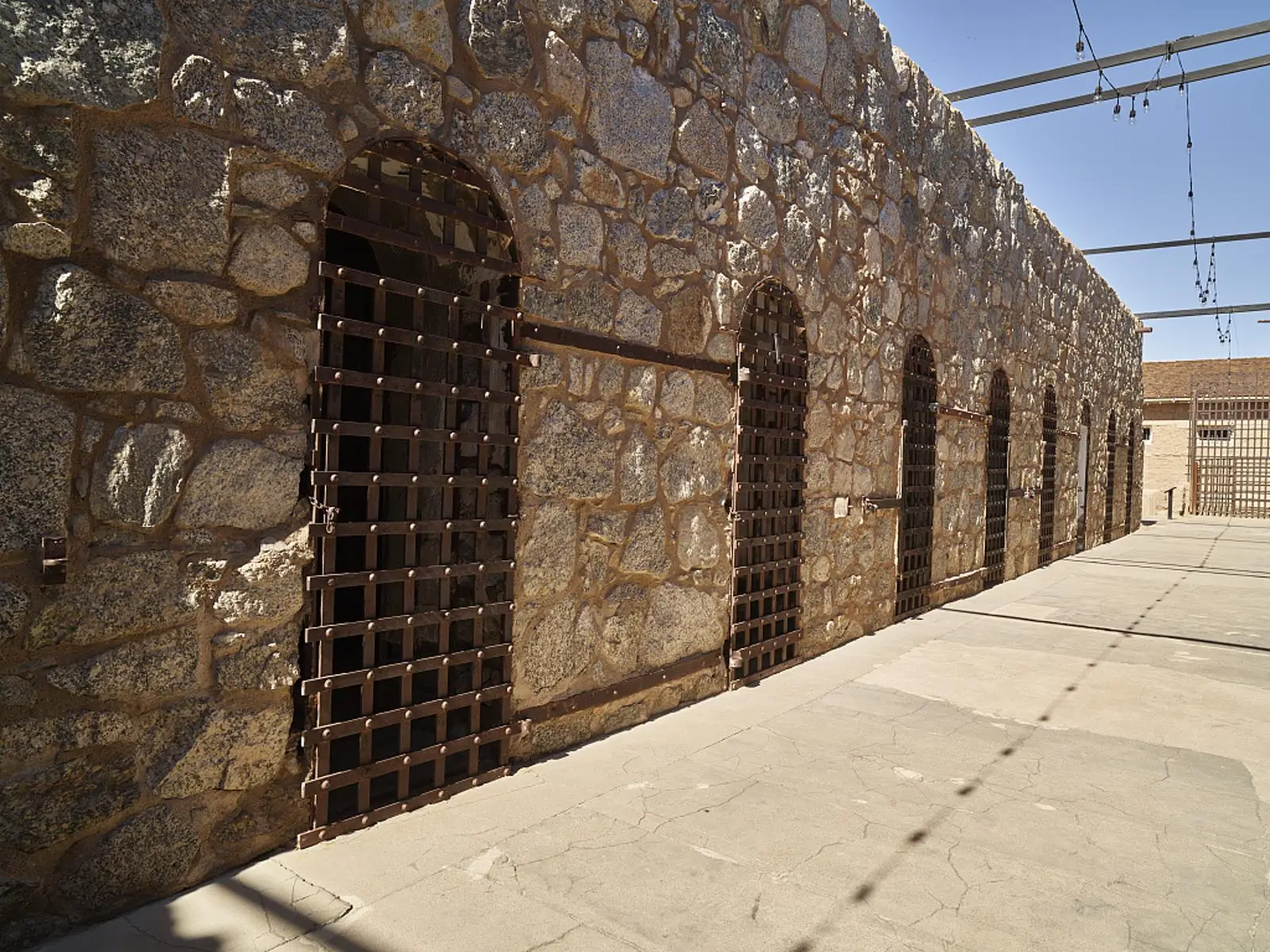
Prison · Yuma, AZ
Yuma Territorial Prison State Historic Park
Yuma Territorial Prison held 3,069 people convicted in the Arizona Territory from 1876 to 1909 and is now a state historic park.
Documented AccountsOpen to visitorsAlso a prison · also reported: electrical
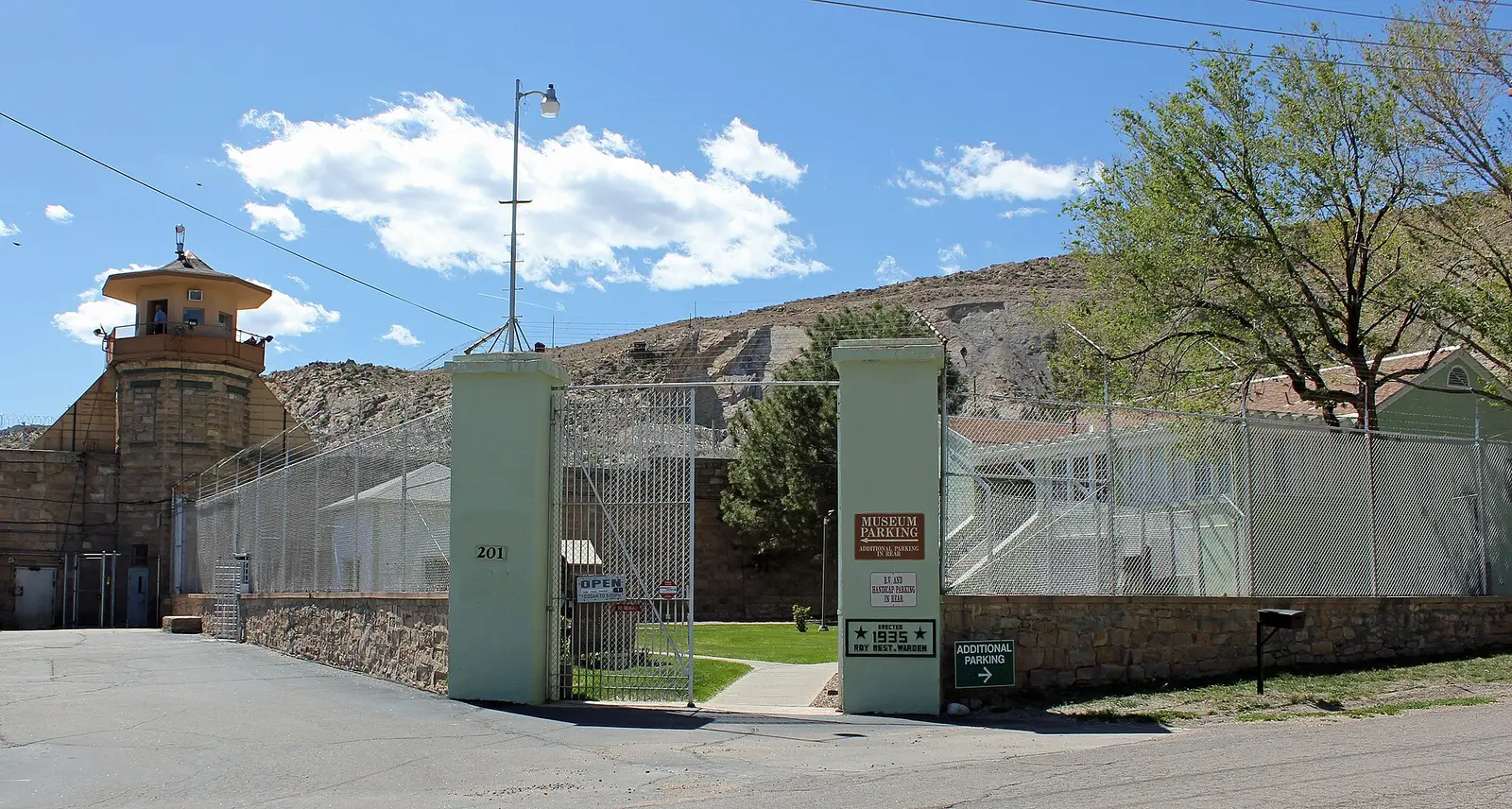
Prison · Cañon City, CO
Museum of Colorado Prisons
The Museum of Colorado Prisons occupies Colorado's 1935 women's prison, beside the still-operating Territorial Correctional Facility in Cañon City.
Documented AccountsOpen to visitorsAlso a prison
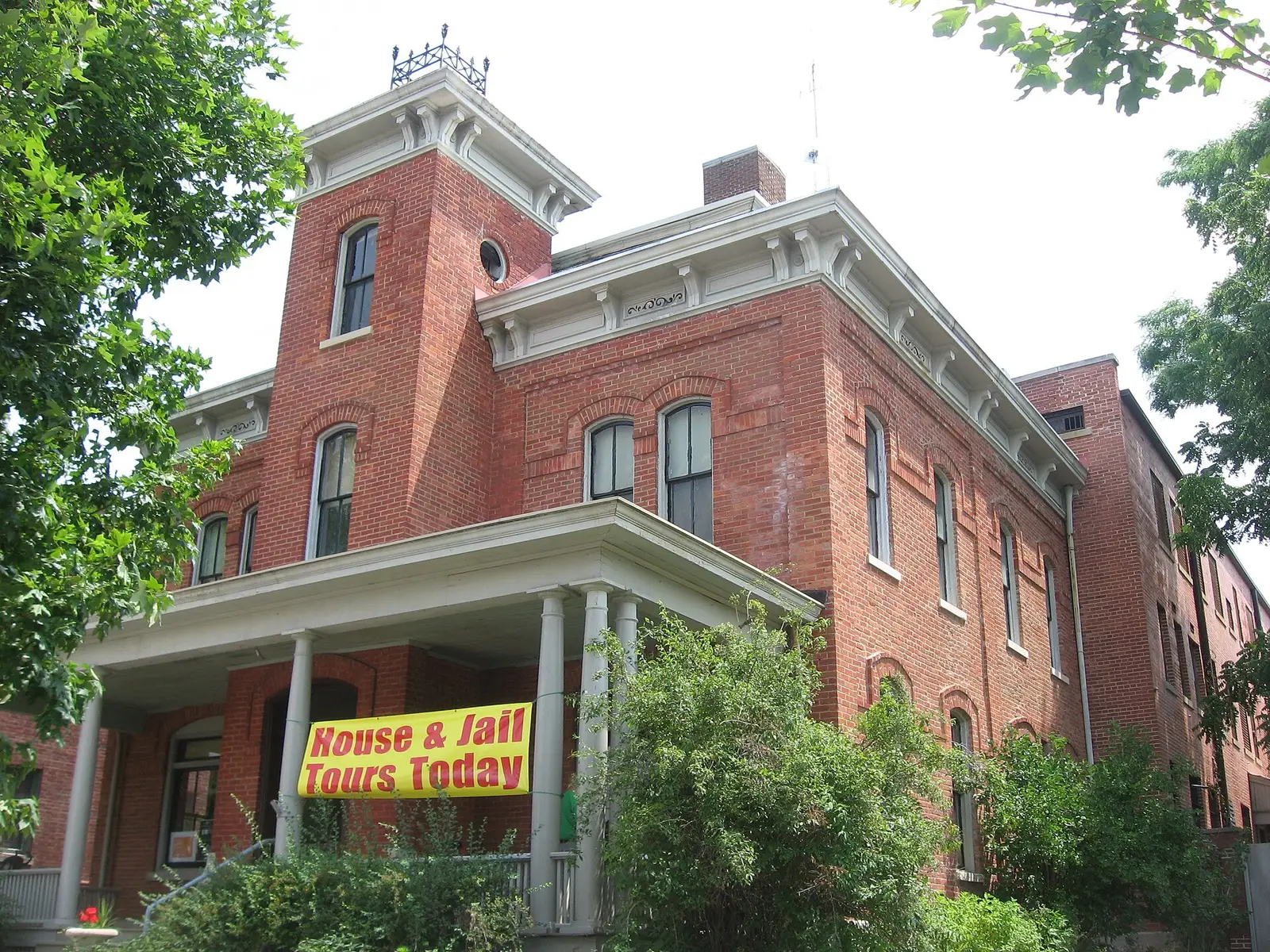
Prison · Crown Point, IN
Old Lake County Jail and Sheriff's House
The Old Lake County Jail and Sheriff's House in Crown Point is an 1882 sheriff's residence with a later jail wing, best known as the jail John Dillinger escaped from in March 1934.
Documented AccountsTours onlyAlso a prison
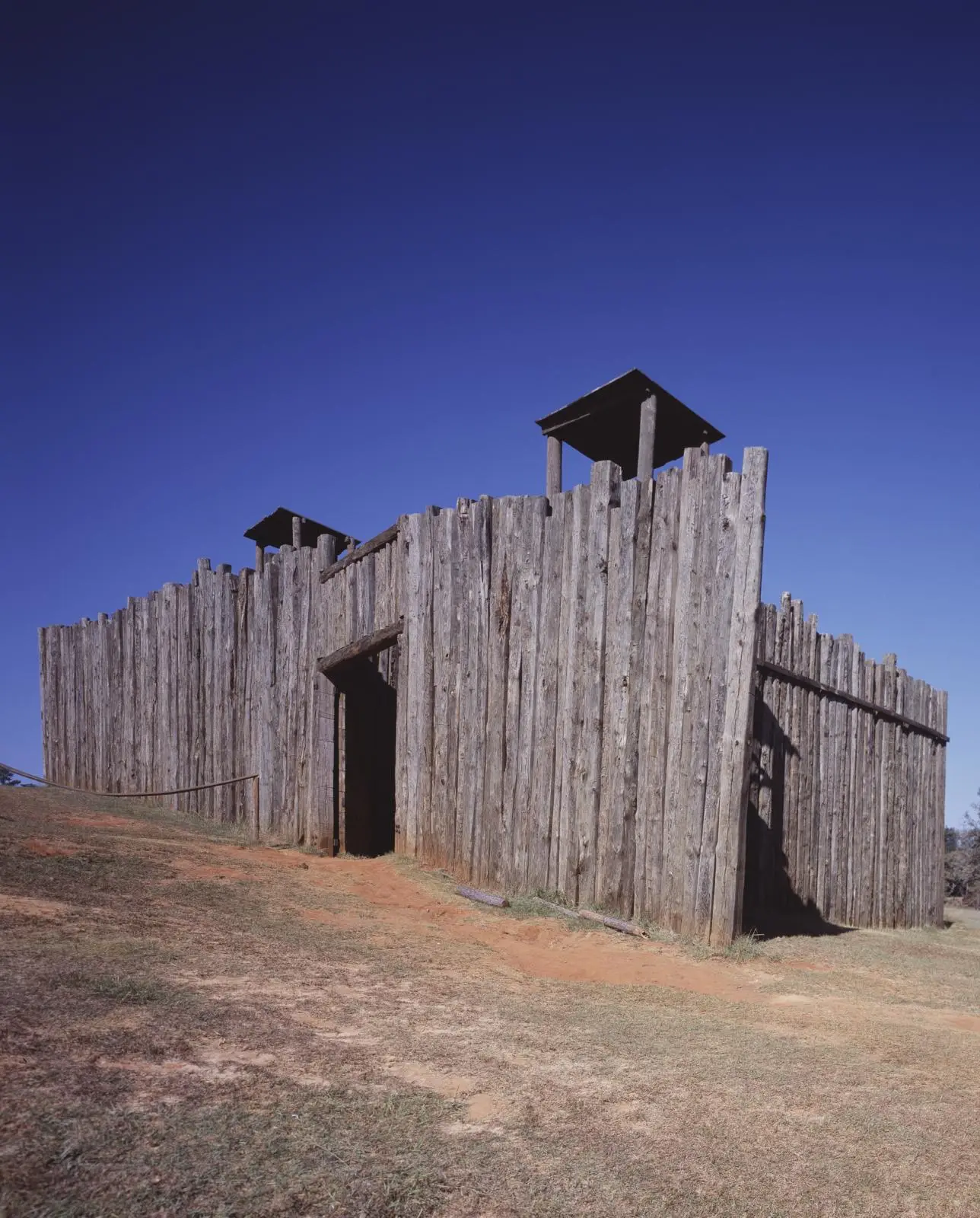
Prison · GA
Andersonville National Historic Site
Andersonville was the Confederate prison camp where about 45,000 Union soldiers were held in 1864–65 and nearly 13,000 died.
UnverifiedOpen to visitors