← St. Francisville The Myrtles
The Myrtles
A plantation house and the Chloe legend
St. Francisville, Louisiana
The Myrtles, outside St. Francisville in Louisiana, is a plantation house begun by David Bradford in 1796 or 1797 and enlarged in the 1850s; enslaved people lived and worked there.
What do we know about The Myrtles?
The ghost material is mostly legend. The Chloe story has no record behind it and is contradicted by the causes of death, and the Tunica burial ground has no source. The one traceable account comes from Frances Kermeen Myers, a former owner of the house: in 1987 she saw a woman wearing a green turban by her bedside, as Troy Taylor reports.
Our rating of the reports about The Myrtles: Documented Accounts. At least one traceable published or first-hand account of an unexplained experience. We check that the reports exist, not the supernatural. The rating describes the evidence for the reports, not whether the place is haunted.
- Reported accounts
- 2
- Counted for the rating
- 1
- Research sources
- 8
Counted for the rating: independent accounts we could trace to a witness. Retellings of the same story count once, and staff passing on what visitors said aren’t counted. How we count
Reported experiences don’t establish a supernatural cause.
Read our evidence assessment →The hauntings
Accounts, encounters and stories associated with The Myrtles.
Reported experiences
2 published and reported accounts, each assessed by its source.
Account 01
American Hauntings, 2017
Frances Kermeen Myers, who once owned the house, saw a woman wearing a green turban standing beside her bed.[3]
Published accountNote: Reported by Troy Taylor.
Read full account ›
Frances Kermeen Myers, who once owned the house, saw a woman wearing a green turban standing beside her bed.[3]
- No traceable witness
Note: No historical or archaeological source supports this.
Read full account ›
The house is said to stand on a Tunica burial ground.[7]
Legends & disputed stories
Stories told about the place that the records don’t confirm.

- Disputed
A legend says an enslaved woman named Chloe killed the Woodruffs with a cake containing oleander.[5]
What the research shows: There is no record that she existed, and the deaths were caused by yellow fever.
- Legend
Legend says Winter made his way indoors and died on the stairs, on the 17th step.
What the research shows: A contemporary report says he died at the spot where he fell.
Before you go

Planning a visit?
Open to visitors
Parts of the inside are open to the public.
Access details ›
A working inn in a former plantation house, with house tours. The fire of 2017 destroyed its outbuilding restaurant. Check with the owners before you visit.
Entry
Paid entry
Confirm times and prices before you travel.
Staying the night?
Our sister site covers The Myrtles as a place to stay: rooms, room requests and guest accounts.
The history of The Myrtles
The Myrtles, outside St. Francisville in Louisiana, is a plantation house begun by David Bradford in 1796 or 1797 and enlarged in the 1850s; enslaved people lived and worked there. Its famous legend, that an enslaved woman named Chloe poisoned the Woodruff family, has no record behind it: yellow fever killed Sarah Woodruff as well as two of her children. William Winter's 1871 shooting on the gallery is documented. One former owner has described a woman wearing a green turban. It now operates as an inn with tours.
- Established
- 1796-97 for David Bradford; enlarged in the 1850s; listed on the National Register in 1978
Bradford's plantation
David Bradford began the house in 1796; the National Register nomination gives both 1796 and 1797. It was enlarged in the 1850s. Yellow fever killed Sarah Woodruff in 1823; the same disease took two of her children.
In 1834 the plantation was sold together with the people enslaved on it, and it was renamed The Myrtles. That sale is the plainest record in our sources of what the plantation was: a place where people were held in slavery and made to work. The sources we have do not name them.
William Winter
In January 1871 someone shot William Winter on the house's gallery. No one was ever convicted of killing him. A later legend has him stagger indoors to die on the staircase, at its 17th step, but a report from 1871 itself has him dying on the spot where he fell.
Later history
The house entered the National Register in 1978; Jonathan Fricker's nomination describes it and its owners and never mentions ghosts. In March 2017 a fire, probably caused by wiring, destroyed the restaurant, which was in an outbuilding; the fire left the main house untouched.
The Chloe legend
The best-known story at the Myrtles is that an enslaved woman named Chloe poisoned the Woodruffs with a cake made with oleander. There is no record that she existed, and the Woodruff deaths were from yellow fever. The investigator Joe Nickell calls the tale "fakelore," and Troy Taylor's research on burial records points the same way. Even so, the tour director told KEDM in 2017 that the story is true. The legend makes an enslaved woman who may never have existed into the villain of a ghost story while the real people held at the Myrtles go unnamed; we report it as folklore and nothing more.
Another claim, that the house stands on a Tunica burial ground, has no historical or archaeological source.
A former owner's account
The one experience we can trace to a named person belongs to Frances Kermeen Myers, who once owned the house. In 1987, she said, a woman wearing a green turban stood beside her bed. We know her account through Troy Taylor's 2017 writing.
Through the years
The research conclusion

Why it has this rating
One traceable account: Frances Kermeen Myers, a former owner, described a woman wearing a green turban by her bedside in 1987, as Troy Taylor reports. The Chloe story, Winter on the 17th step and the Tunica burial ground are legend, and the yellow fever deaths, the enslavement of people and Winter's murder are history that doesn't raise the tier.
Read the full written assessment ›
The history rests on the 1978 National Register nomination, the owners' timeline and Troy Taylor's work with burial records: Bradford's house, the Woodruff deaths from yellow fever, the 1834 sale of the land together with the people enslaved on it, and William Winter's 1871 shooting.
The ghost material is mostly legend. The Chloe story has no record behind it and is contradicted by the causes of death, and the Tunica burial ground has no source. The one traceable account comes from Frances Kermeen Myers, a former owner of the house: in 1987 she saw a woman wearing a green turban by her bedside, as Troy Taylor reports.
The sources behind the story
8 research references support this entry.

1National Park ServiceMyrtles Plantation: National Register nomination Official or site history · Reference 01
Jonathan Fricker, Myrtles Plantation: National Register nomination. National Park Service, 1978-09-06.
Jonathan Fricker's 1978 National Register nomination: the house and its owners, with no mention of ghosts.
Accessed November 14, 2026.
2The MyrtlesThe History of The Myrtles Official or site history · Reference 02
The History of The Myrtles. The Myrtles.
The current owners' own history of the house.
Accessed November 14, 2026.
3American HauntingsThe Myrtles Plantation: Legends, Lore and Lies Website · Reference 03
Troy Taylor, The Myrtles Plantation: Legends, Lore and Lies. American Hauntings, 2017.
Troy Taylor's 2017 article: burial records, the Winter killing and the green-turban accounts, including Myers's.
Accessed November 14, 2026.
4WikipediaLegends of Myrtles Plantation Website · Reference 04
Legends of Myrtles Plantation. Wikipedia.
Online encyclopedia article on the legends; used only for the 1834 sale and the burial-ground claim, which it repeats.
Accessed November 14, 2026.
5KEDM (NPR)Viral photo from the Myrtles Plantation could bring more visitors Television or radio · Reference 05
Viral photo from the Myrtles Plantation could bring more visitors. KEDM (NPR), 2017-12-06.
A 2017 public radio report on a viral photo; the tour director presents the Chloe story as fact.
Accessed November 14, 2026.
6CSIConA "Nickell" for Your Thoughts Website · Reference 06
A "Nickell" for Your Thoughts. CSICon, 2016.
A 2016 skeptics' conference page in which Joe Nickell calls the Chloe story "fakelore."
Accessed November 14, 2026.
7Legends of AmericaMyrtles Plantation, Louisiana – A Most Haunted Place Website · Reference 07
Jim Serf (edited by Kathy Alexander), Myrtles Plantation, Louisiana – A Most Haunted Place. Legends of America, 2011.
A popular history and legends site, cited only as a place the story is published; it says the Tunica, who held the land before the Spanish, used it as sacred burial grounds. It offers no historical or archaeological evidence.
Accessed November 19, 2026.
8WBRZGhoulish wiring likely cause of fire at The Myrtles Television or radio · Reference 08
Trey Schmaltz, Ghoulish wiring likely cause of fire at The Myrtles. WBRZ, 2017-03-09.
Trey Schmaltz's 2017 WBRZ report on the fire, which says wiring was the likely cause.
Accessed November 14, 2026.
More haunted places

Similar places
Also a hotel
Hotel · New Orleans, LA
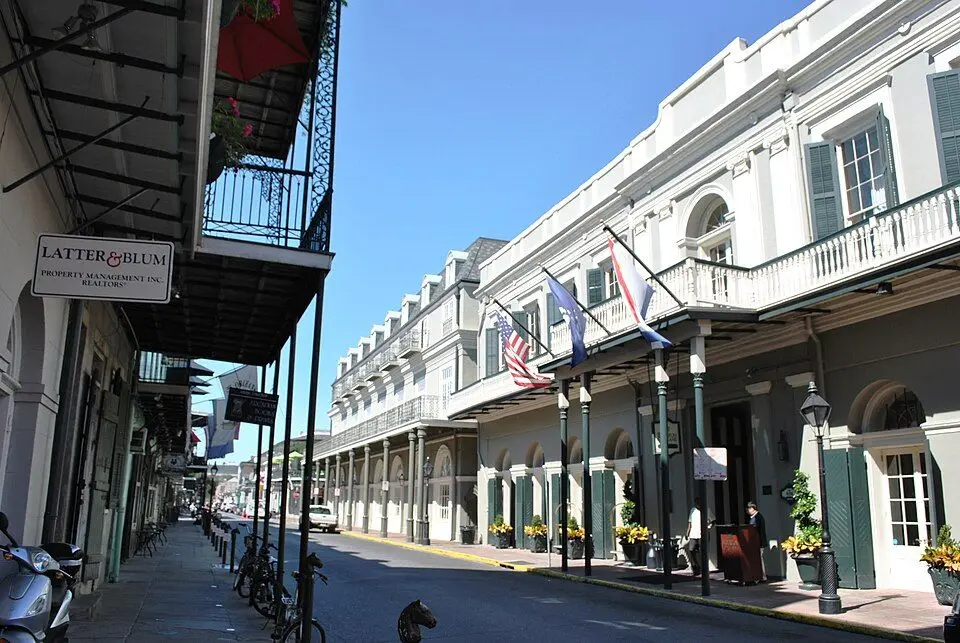
Bourbon Orleans Hotel
The Bourbon Orleans, in the French Quarter, grew from the Orleans Ballroom, which John Davis added in 1817 when he rebuilt the Théâtre d'Orléans.
UnverifiedOpen to visitorsAlso a hotel
Hotel · New Orleans, LA
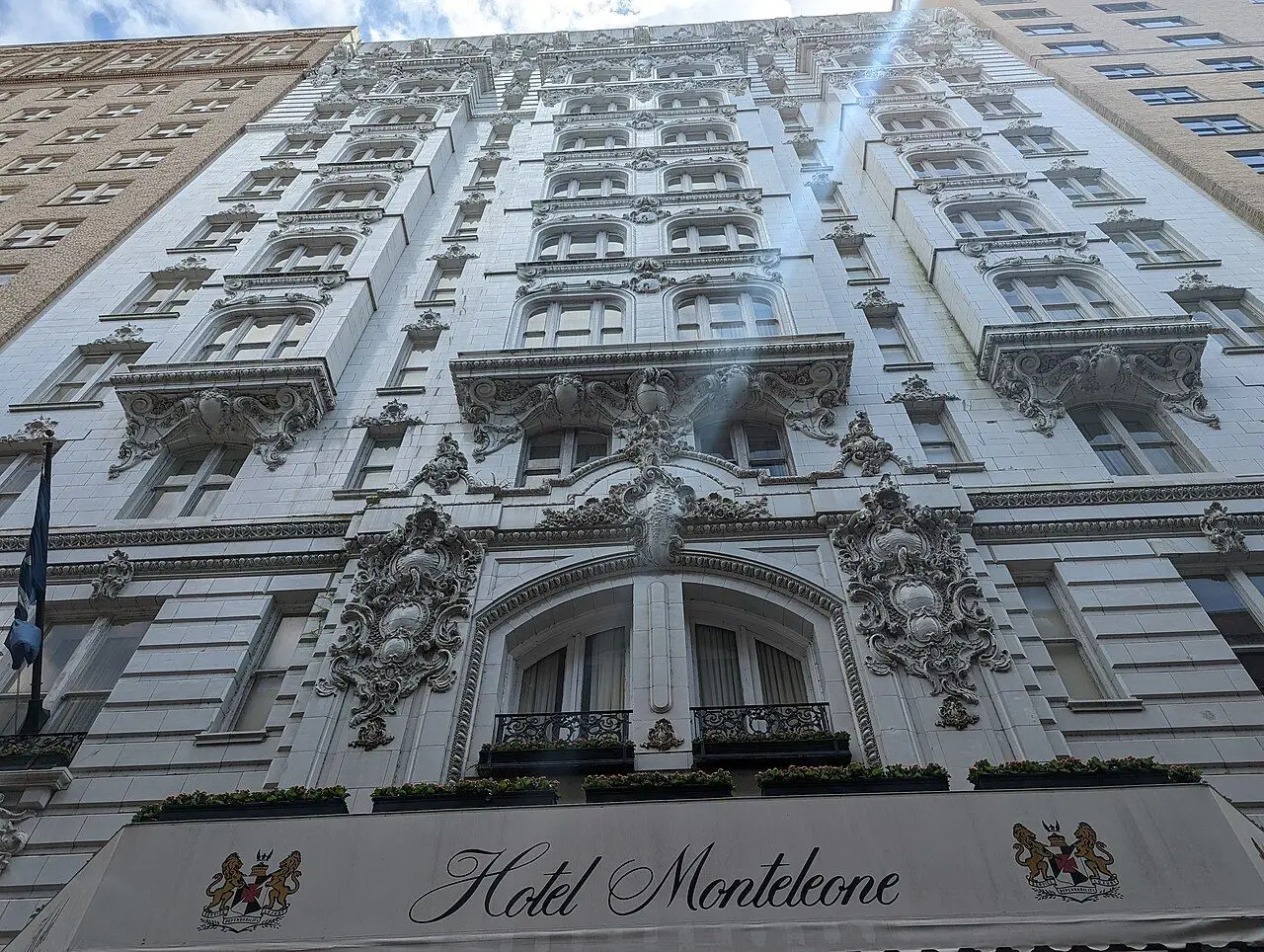
Hotel Monteleone
Hotel Monteleone stands on the corner of Royal and Iberville in New Orleans.
Documented AccountsOpen to visitorsAlso a hotel
Hotel · Riverside, CA
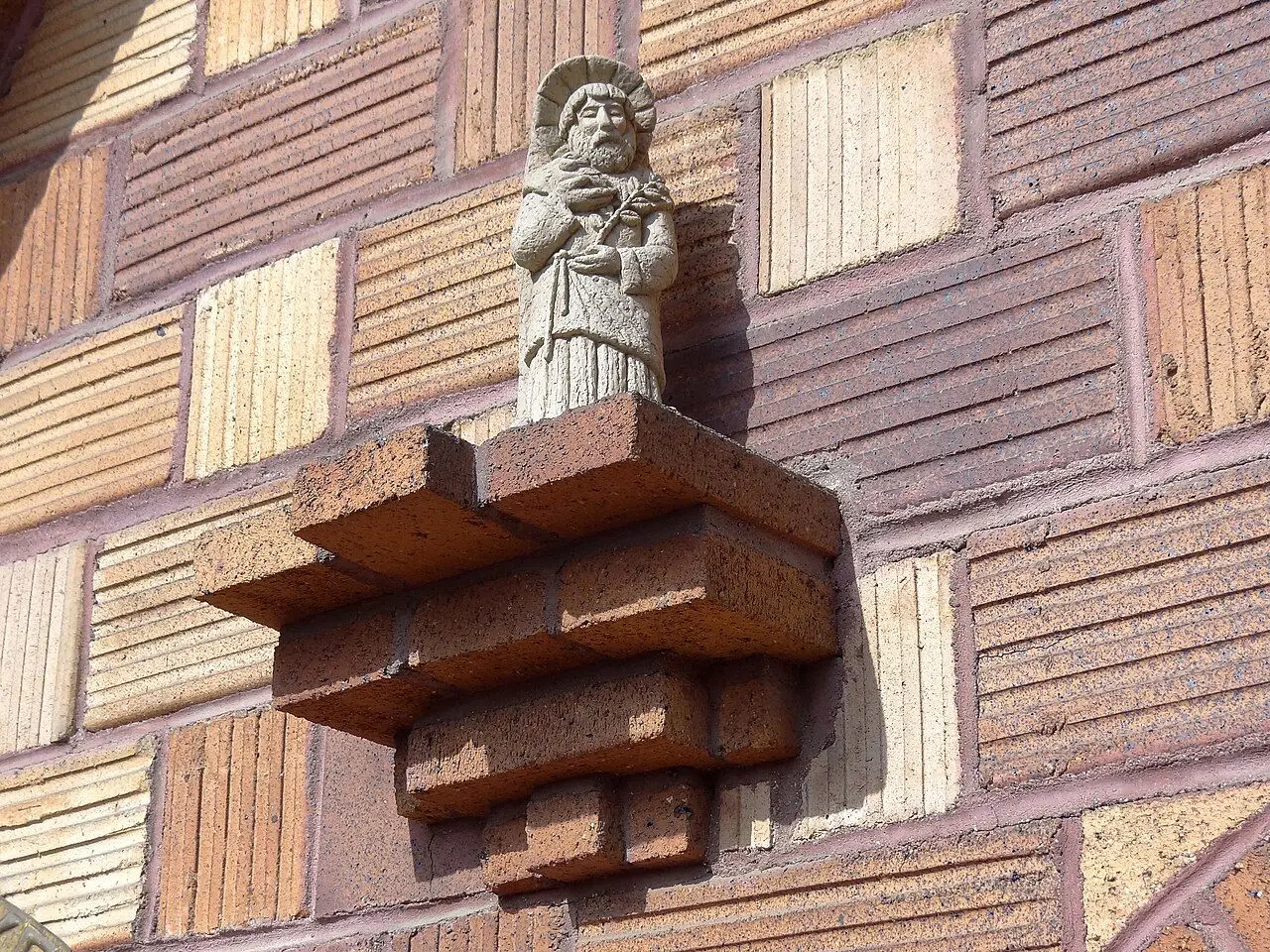
The Mission Inn Hotel & Spa
Riverside’s Mission Inn grew out of Glenwood Cottage, a boarding house of adobe that the Miller family opened in 1875 or 1876.
Documented AccountsOpen to visitorsAlso a hotel
Hotel · MA
Longfellow's Wayside Inn
Longfellow's Wayside Inn is a working inn on the old Boston Post Road in Sudbury, licensed since 1716 and made famous by Longfellow's Tales of a Wayside Inn.
Documented AccountsOpen to visitors