← San Francisco Alcatraz Island
Alcatraz Island
The Rock's history and its ghost legends
San Francisco, California
Alcatraz, in San Francisco Bay, was a fort, the West Coast's first lighthouse, an Army prison and, from 1934 to 1963, a federal penitentiary, before its 1969–71 occupation by Indians of All Tribes.
What do we know about Alcatraz Island?
The ghost material is thin for so famous a place. The most repeated stories, including the strangled prisoner, cell 14-D and Capone's banjo, have no named witness or date that we could trace. The published accounts we found reach us through a ghost-story website: Richard Senate's night in cell 12-D, and psychic impressions by visiting writers, which we do not count. A former officer told KPIX in 2014 that he never experienced anything.

Our rating of the reports about Alcatraz Island: Documented Accounts. At least one traceable published or first-hand account of an unexplained experience. We check that the reports exist, not the supernatural. The rating describes the evidence for the reports, not whether the place is haunted.
- Reported accounts
- 3
- Counted for the rating
- 1
- Research sources
- 7
Counted for the rating: independent accounts we could trace to a witness. Retellings of the same story count once, and staff passing on what visitors said aren’t counted. How we count
Reported experiences don’t establish a supernatural cause.
Read our evidence assessment →The hauntings
Accounts, encounters and stories associated with Alcatraz Island.
What has been reported?
- Being touched
- Cold spots
Phenomena described in accounts associated with this location — not independently verified events.
Reported experiences
3 published and reported accounts, each assessed by its source.
Account 01
Richard Senate
Ghost hunter Richard Senate is reported to have spent a night locked in cell 12-D with a psychic and to have felt icy fingers around his neck.[6]
- Being touched
- Cold spots
Published accountReported by Richard Senate, ghost hunter (via Legends of America)Note: Known to us only from a ghost-story website's summary; we have not consulted Senate's own account.
Read full account ›
Ghost hunter Richard Senate is reported to have spent a night locked in cell 12-D with a psychic and to have felt icy fingers around his neck.[6]
Account 02
Richard Winer
Psychic impressions have been published by visiting writers: Richard Winer and Nancy Osborn described strong vibrations and tingling in cell 14-D in their book Haunted Houses, and Michael Kouri described a vision of a beaten prisoner there in Haunted Alcatraz.[6]
No traceable witnessReported by Richard Winer, Nancy Osborn and Michael Kouri (via Legends of America)Note: Feelings and visions, not counted as accounts of an experience; we have not consulted either book.
Read full account ›
Psychic impressions have been published by visiting writers: Richard Winer and Nancy Osborn described strong vibrations and tingling in cell 14-D in their book Haunted Houses, and Michael Kouri described a vision of a beaten prisoner there in Haunted Alcatraz.[6]
Account 03 · June 19, 2014
A former Alcatraz correctional officer, 2014
In 2014 a former Alcatraz officer who worked there in the 1960s told KPIX that he had experienced no ghosts on the island and did not believe in them; he thought a tourist photograph of a supposed figure showed shadows.[7]
Published accountReported by A former Alcatraz correctional officer (via KPIX 5)Note: A report of no experience. The tourists' photograph is not counted as an account.
Read full account ›
In 2014 a former Alcatraz officer who worked there in the 1960s told KPIX that he had experienced no ghosts on the island and did not believe in them; he thought a tourist photograph of a supposed figure showed shadows.[7]
Legends & disputed stories
Stories told about the place that the records don’t confirm.
- Legend
The island's best-known legends include a prisoner said to have been found strangled after screaming about glowing eyes in a dark isolation cell, an extra man appearing at roll call, a cold cell 14-D, phantom banjo music linked to Al Capone, and the warden hearing a woman sobbing in the walls.[6]
What the research shows: None of these is attributed to a named witness or a dated source; we found no record of the strangling.
Before you go
Planning a visit?
Location
San Francisco, California
Open to visitors
Parts of the inside are open to the public.
Access details ›
Part of Golden Gate National Recreation Area. The Park Service charges no entrance fee, but the island can only be reached on the authorized ferry from San Francisco, which sells paid day and night tickets; the Park Service advises booking ahead.
Entry
Paid entry
Access last checked November 17, 2026. Confirm times and prices before you travel.
Approximate location, within about 1 km.
The history of Alcatraz Island
Alcatraz, in San Francisco Bay, was a fort, the West Coast's first lighthouse, an Army prison and, from 1934 to 1963, a federal penitentiary, before its 1969–71 occupation by Indians of All Tribes. Its ghost stories, such as cold cell 14-D and Capone's banjo, are mostly unattributed legends; ghost hunter Richard Senate reportedly felt fingers at his neck. The island is reached by paid ferry.
- Established
- 1853–1911
- Also known as
- Alcatraz
Fort, lighthouse and Army prison
The Army began fortifying Alcatraz in 1853, and on June 1, 1854, the island's light became the first lit on the West Coast. It was named a military prison in 1861, and from 1909 to 1911 Army prisoners built the concrete cellhouse that still dominates the island.
The federal penitentiary
The Justice Department took over in 1933, and from 1934 to March 21, 1963, Alcatraz was a maximum-security federal prison holding about 260 to 275 men at a time. Fourteen escape attempts involved 36 men. In the May 1946 Battle of Alcatraz, officers William Miller and Harold Stites and prisoners Bernard Coy, Joseph Cretzer and Marvin Hubbard were killed. The prison closed because it cost too much to run.
Indians of All Tribes
From November 1969 to June 1971, Native American activists calling themselves Indians of All Tribes occupied the island and demanded it for an Indian university and cultural center. The National Park Service credits the occupation with helping end the federal policy of terminating tribes.
Through the years
1861
Becomes a military prison
1934
Federal penitentiary opens
The island passed to the Justice Department in 1933 and operated as a federal penitentiary from 1934 until March 21, 1963, holding about 260 to 275 men at a time; it closed because it cost far more to run than other federal prisons.[3]
1946
Battle of Alcatraz
There were 14 escape attempts involving 36 men. During the attempt of May 2–4, 1946, known as the Battle of Alcatraz, officers William Miller and Harold Stites and three prisoners, Bernard Coy, Joseph Cretzer and Marvin Hubbard, were killed.[3]
1969
Occupation by Indians of All Tribes
From November 20, 1969, to June 1971, Native American activists calling themselves Indians of All Tribes occupied the island, demanding it for an Indian university and cultural center; the National Park Service credits the occupation with helping end the federal policy of terminating tribes.[4]
Also recorded
Alcatraz is now part of Golden Gate National Recreation Area. The Park Service charges no entrance fee, but visitors must take the authorized ferry, whose paid ticket includes the cellhouse audio tour.[5]
The research conclusion

Why it has this rating
One account, weak: a ghost writer's reported 'icy fingers' in a cell, known through a secondary summary. Psychics' impressions and a tourist photograph aren't counted; a former officer told KPIX he experienced nothing. The famous cell stories have no traceable witness.
Read the full written assessment ›
The island's military, prison and occupation history is well recorded by the National Park Service and the Bureau of Prisons.
The ghost material is thin for so famous a place. The most repeated stories, including the strangled prisoner, cell 14-D and Capone's banjo, have no named witness or date that we could trace. The published accounts we found reach us through a ghost-story website: Richard Senate's night in cell 12-D, and psychic impressions by visiting writers, which we do not count. A former officer told KPIX in 2014 that he never experienced anything.
The sources behind the story
7 research references support this entry.

1National Park ServiceWhere was the first lighthouse on the West Coast? Official or site history · Reference 01
Where was the first lighthouse on the West Coast?. National Park Service, 2021-02-25.
NPS page: the Alcatraz light became the first navigational lamp lit on the West Coast on June 1, 1854.
Accessed November 17, 2026.
2National Park Service (NPGallery)National Register of Historic Places Inventory–Nomination Form for Federal Properties: Alcatraz (NRIS 76000209) Register or nomination · Reference 02
Stephen A. Haller, Acting Park Historian, Golden Gate National Recreation Area, National Register of Historic Places Inventory–Nomination Form for Federal Properties: Alcatraz (NRIS 76000209). National Park Service (NPGallery), 1985-04-15.
NPS nomination (form dated April 15, 1985; listed 1976): fortifications begun 1853 and expanded to 1874, the earliest permanent US fortifications on the Pacific coast; designated a military prison in 1861; prison-era buildings from 1909 by the Army and after 1934 by the Bureau of Prisons. Its UTM figures are illegible in the scan, so we did not take coordinates from it.
Accessed November 17, 2026.
3Federal Bureau of PrisonsAlcatraz Official or site history · Reference 03
Alcatraz. Federal Bureau of Prisons.
Bureau of Prisons history page: island reserved for military use in 1850; first military prisoners in the late 1850s; new prison built 1909–1911; transferred to the Justice Department in 1933 and opened as a federal penitentiary in 1934; average population about 260–275; 14 escape attempts by 36 men; the May 2–4, 1946 'Battle of Alcatraz' killed officers William Miller and Harold Stites and prisoners Bernard Coy, Joe Cretzer and Marvin Hubbard; closed March 21, 1963, because of cost.
Accessed November 17, 2026.
4National Park Service (Alcatraz Island)We Hold the Rock Official or site history · Reference 04
We Hold the Rock. National Park Service (Alcatraz Island).
NPS history of the 1969–1971 occupation by Indians of All Tribes: symbolic claim on November 9, 1969, full occupation from November 20, 1969, removal on June 10–11, 1971; credited with helping end the federal termination policy.
Accessed November 17, 2026.
5National Park Service (Alcatraz Island)Fees & Passes Official or site history · Reference 05
Fees & Passes. National Park Service (Alcatraz Island).
NPS fees page: no NPS entrance fee, but visitors must buy a ferry ticket from Alcatraz City Cruises, the only authorized ferry, which includes the audio tour; ranger tours are free.
Accessed November 17, 2026.
6Legends of AmericaGhosts of Alcatraz Island, California Website · Reference 06
Kathy Alexander, Ghosts of Alcatraz Island, California. Legends of America, 2026-09.
Ghost-story compilation. Repeats unsourced legends (a strangled prisoner in the 'Hole', cell 14-D, Warden Johnston hearing sobbing, guards' phantom gunfire) and summarizes published accounts: authors Richard Winer and Nancy Osborn in their book Haunted Houses, Michael Kouri in Haunted Alcatraz, ghost hunter Richard Senate's night in cell 12-D, and Park Service staff on the TV program Sightings in 1992. Gives no page references or dates for most items. A place the stories were published, not evidence.
Accessed November 17, 2026.
7CBS San Francisco (KPIX 5)Tourists Claim Proof Of Ghostly Figure On Alcatraz Television or radio · Reference 07
Tourists Claim Proof Of Ghostly Figure On Alcatraz. CBS San Francisco (KPIX 5), 2014-06-19.
TV news item on a British couple's photograph from the visitation area that they believe shows a woman in early-1900s dress; a 1960s Alcatraz officer told KPIX the figure was probably shadows and that he had experienced no ghosts there.
Accessed November 17, 2026.
More haunted places
Explore nearby
Similar places
Also a prison · also reported: cold spots, being touched
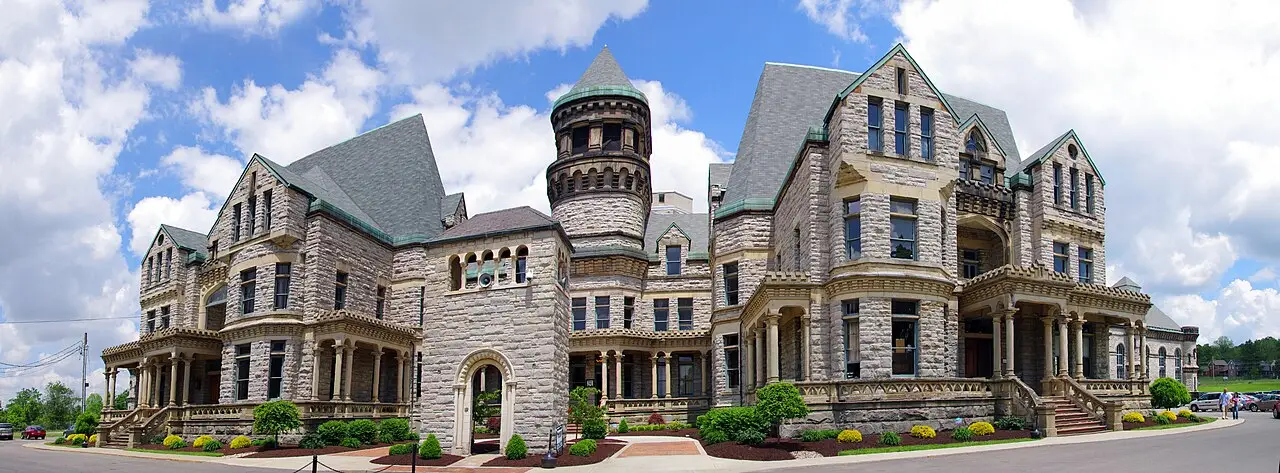
Prison · Mansfield, OH
Ohio State Reformatory
The Ohio State Reformatory in Mansfield opened in 1896 and closed in 1990.
Documented AccountsOpen to visitorsAlso an island
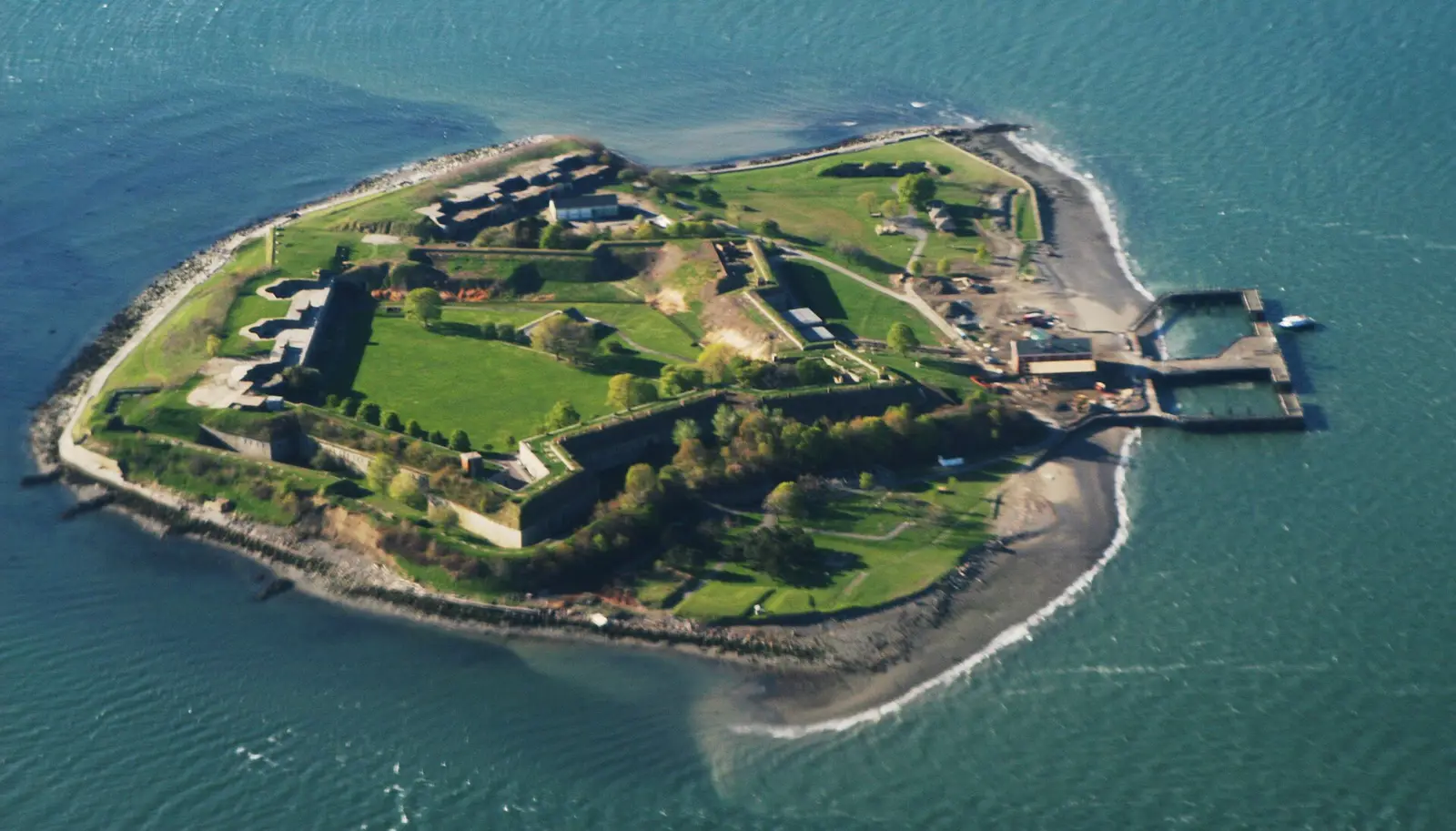
Fort · Boston, MA
Fort Warren
Fort Warren is a Civil War-era granite fort on Georges Island in Boston Harbor, where the Union held Confederate prisoners.
Documented AccountsOpen to visitorsAlso a prison · also reported: being touched
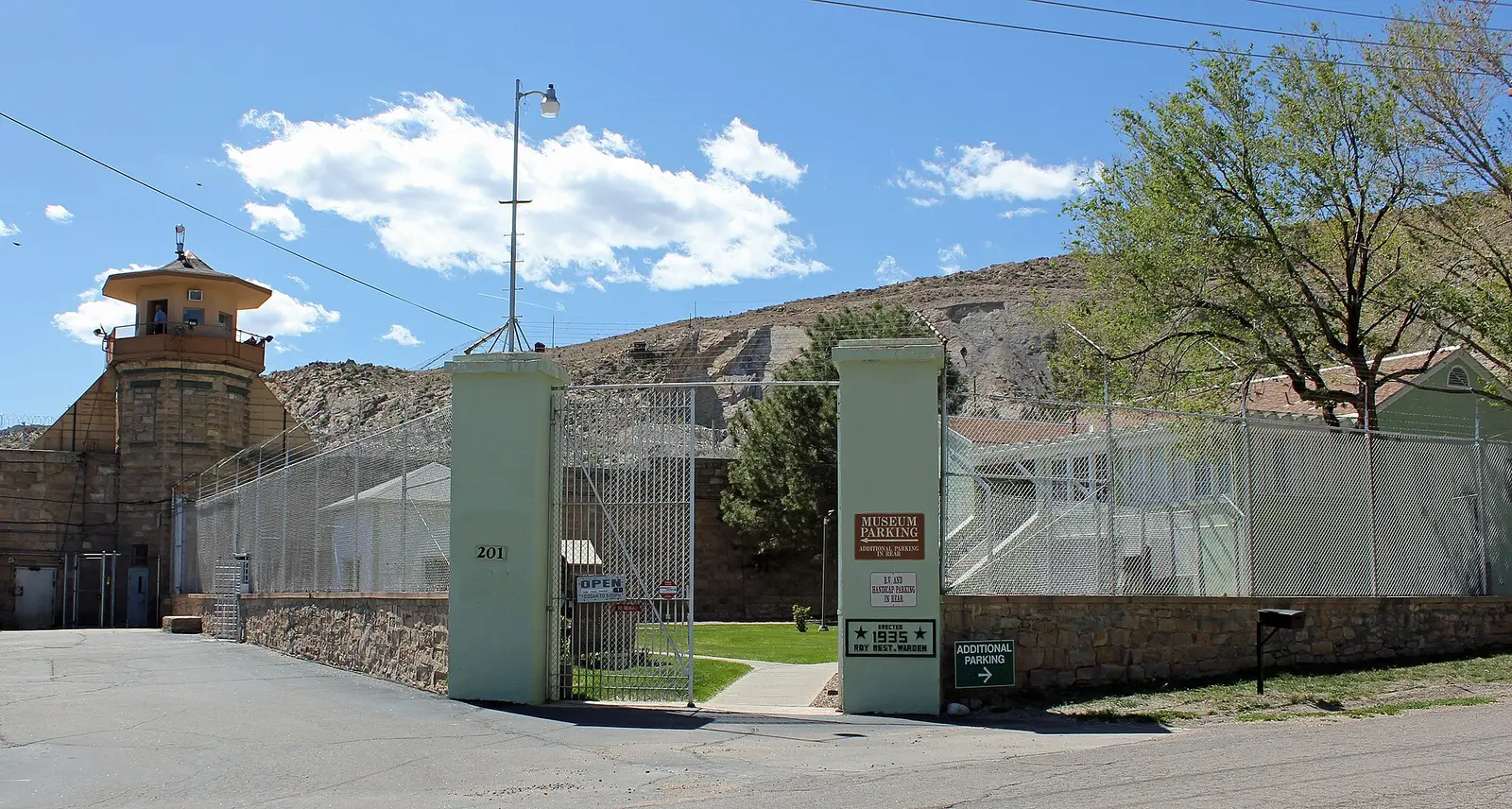
Prison · Cañon City, CO
Museum of Colorado Prisons
The Museum of Colorado Prisons occupies Colorado's 1935 women's prison, beside the still-operating Territorial Correctional Facility in Cañon City.
Documented AccountsOpen to visitorsAlso a prison · also reported: being touched
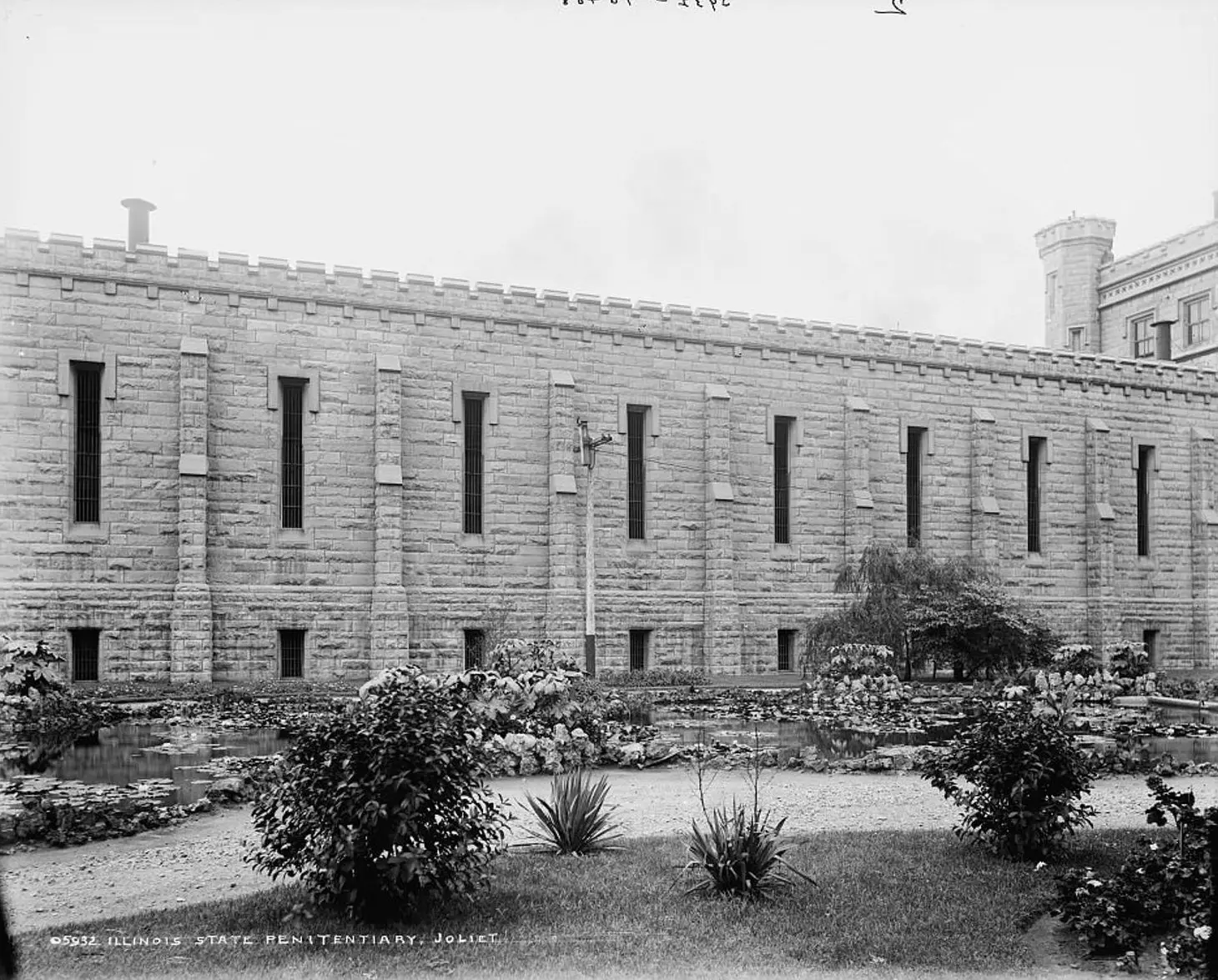
Prison · Joliet, IL
Old Joliet Prison
Old Joliet Prison is the limestone state penitentiary, opened in 1858 and closed in 2002, that people imprisoned there built themselves.
UnverifiedTours only