← California Bodie State Historic Park
Bodie State Historic Park
The ghost town and the 'Bodie curse'
California
Bodie is a gold-rush town in the hills east of Yosemite that boomed to about 10,000 people by 1879 and is now a state historic park kept in 'arrested decay'.
What do we know about Bodie State Historic Park?
The 'Bodie curse' is a legend with a known purpose: the park's interpreter told KQED that a ranger apparently invented it to deter theft. The weekly letters returning objects describe misfortune, not experiences at Bodie. The ghost stories come from park rangers, retold by a tourism writer and a ghost-story website, so we count them as one origin; the story of a Chinese housekeeper has no record behind it that we found.
Our rating of the reports about Bodie State Historic Park: Documented Accounts. At least one traceable published or first-hand account of an unexplained experience. We check that the reports exist, not the supernatural. The rating describes the evidence for the reports, not whether the place is haunted.
- Reported accounts
- 3
- Counted for the rating
- 1
- Research sources
- 5
Counted for the rating: independent accounts we could trace to a witness. Retellings of the same story count once, and staff passing on what visitors said aren’t counted. How we count
Reported experiences don’t establish a supernatural cause.
Read our evidence assessment →The hauntings
Accounts, encounters and stories associated with Bodie State Historic Park.
What has been reported?
- Being touched
- Smells
- Apparitions
Phenomena described in accounts associated with this location — not independently verified events.
Reported experiences
3 published and reported accounts, each assessed by its source.
Account 01 · January 12, 2018
Bodie State Historic Park interpreter, 2018
The park's interpreter told KQED in 2018 that the curse was apparently invented by a single ranger to discourage visitors from taking artifacts, and that staff no longer promote it, because returned items have lost their historical context and must each be logged as stolen property.[4]
Published accountReported by Bodie State Historic Park interpreter (via KQED)Note: The ranger is not named and no date is given for the invention.
Read full account ›
The park's interpreter told KQED in 2018 that the curse was apparently invented by a single ranger to discourage visitors from taking artifacts, and that staff no longer promote it, because returned items have lost their historical context and must each be logged as stolen property.[4]
- No traceable witnessReported by Anonymous letter writers (via KQED)
Note: Accounts of misfortune, not of experiences at Bodie; mostly anonymous, so not counted.
Account 03 · December 11, 2023
Bodie State Historic Park rangers, 2023
Park rangers have described experiences in the houses where they lived: a ranger smelling garlic and boiling water in the long-empty Mendocini house, reports of an unseen body leaving an impression on a quilt at the Gregory house, and an employee too unnerved to sleep in…
- Being touched
- Smells
Published accountReported by Bodie State Historic Park rangers (via Visit Mammoth)Note: Retold by a tourism writer from rangers; park staff count as one origin.
Read full account ›
Park rangers have described experiences in the houses where they lived: a ranger smelling garlic and boiling water in the long-empty Mendocini house, reports of an unseen body leaving an impression on a quilt at the Gregory house, and an employee too unnerved to sleep in a room of the D.V. Cain house.[3][5]
Legends & disputed stories
Stories told about the place that the records don’t confirm.

- Legend
The 'Bodie curse' holds that anyone who takes even a nail or a rock from the town will suffer bad luck until it is returned.[3][4]
- Legend
A story told by rangers says a Chinese housekeeper and nanny dismissed by the Cain family disappeared in a snowstorm, and that her presence is felt in the J.S. Cain house, where children of later residents described a kind woman who read to them.[3][5]
What the research shows: We found no record of the housekeeper or her disappearance; the versions disagree on what happened to her.
Before you go

Planning a visit?
Open to visitors
Parts of the inside are open to the public.
Access details ›
A state historic park with an entry fee, open all year; the last miles of the road are unpaved, and in winter the town can only be reached over snow. Visitors walk among the buildings, and the museum and some buildings can be entered. Taking anything, even a rock, is forbidden.
Entry
Paid entry
Access last checked November 17, 2026. Confirm times and prices before you travel.
Approximate location, within about 1 km.
The history of Bodie State Historic Park
Bodie is a gold-rush town in the hills east of Yosemite that boomed to about 10,000 people by 1879 and is now a state historic park kept in 'arrested decay'. Its 'curse' on anyone who takes a souvenir was apparently invented by a ranger to stop theft, the park says. Rangers have described cooking smells and unseen presences in empty houses. Entry is paid.
- Established
- 1859
- Also known as
- Bodie
Boom and bust
In July 1859, William Bodey and E.S. Taylor found gold in the hills north of Mono Lake. Bodey died in a snowstorm that winter, and the district that grew up was named after him, with a changed spelling. A rich strike at the Bunker Hill mine in 1876, bought by the Standard Company in 1877, brought a rush: by 1879 about 10,000 people lived in Bodie. The bust began in 1881, and by 1886 only about 1,500 remained. Fires in 1892 and 1932 destroyed much of the town, and mining stopped in 1942.
A preserved ghost town
Bodie became a National Historic Landmark in 1961 and a state historic park in 1962. The state keeps it in 'arrested decay', repairing buildings without restoring them, and fewer than one in ten of the roughly 2,000 original buildings survive. Nothing may be taken from the site.
The Bodie curse
The best-known story is the curse: anyone who takes a souvenir, even a nail or a rock, will have bad luck until it is returned. The park's interpreter told KQED in 2018 that the curse was apparently invented by a single ranger to discourage theft. It worked too well. Letters returning objects arrive about once a week, blaming them for accidents, illness and broken relationships, and some are displayed in the museum. Staff no longer promote the curse, because returned objects have lost their historical context and each one must be logged as stolen property.
Rangers' stories
Rangers who lived in the town's houses have their own stories, retold by a tourism writer: a ranger smelling garlic and boiling water in the long-empty Mendocini house, an unseen weight leaving an impression on a quilt at the Gregory house, and an employee who would not sleep in one room of a Cain family house. A story told among rangers says a Chinese housekeeper dismissed by the Cains vanished in a snowstorm and is still felt in the J.S. Cain house; we found no record of her.
Through the years
1859
Gold found by William Bodey
In July 1859, William S. Bodey and E.S. Taylor found placer gold in the hills north of Mono Lake; Bodey died in a snowstorm that winter, and the mining district named after him was formed in 1860.[1]
Caveat: The town's name is spelled differently from his.
The research conclusion

Why it has this rating
One origin: rangers, as retold by tourism and legends sites. The 'Bodie curse' was apparently invented by a ranger to deter theft, according to the park's interpreter, and the letters returning stolen items describe misfortune elsewhere, not experiences at Bodie.
Read the full written assessment ›
The town's history is documented by the National Park Service and California State Parks.
The 'Bodie curse' is a legend with a known purpose: the park's interpreter told KQED that a ranger apparently invented it to deter theft. The weekly letters returning objects describe misfortune, not experiences at Bodie. The ghost stories come from park rangers, retold by a tourism writer and a ghost-story website, so we count them as one origin; the story of a Chinese housekeeper has no record behind it that we found.
The sources behind the story
5 research references support this entry.

1National Park ServiceBodie Historic District Official or site history · Reference 01
Bodie Historic District. National Park Service, 2019-06-07.
NPS National Historic Landmark page: placer gold found in July 1859 by William S. Bodey and E.S. Taylor; Bodey died in a snowstorm that winter; boom after the Bunker Hill strike of 1876; about 10,000 people in 1879, about 1,500 by 1886; fires in July 1892 and June 1932; mining suspended in 1942; National Historic Landmark 1961; state historic park 1962.
Accessed November 17, 2026.
2California State ParksBodie State Historic Park Official or site history · Reference 02
Bodie State Historic Park. California State Parks.
Official park page: Standard Company bought the mine in 1877; bust from 1881; fewer than 10 percent of about 2,000 buildings survive; preserved in 'arrested decay'; entry fees; nothing may be removed; open all year, but in winter reachable only over snow; address Highway 270, Bridgeport. No mention of a curse.
Accessed November 17, 2026.
3Legends of AmericaBodie, California – A Ghostly Ghost Town Website · Reference 03
Kathy Alexander, Bodie, California – A Ghostly Ghost Town. Legends of America, 2026-10.
Ghost-story and history compilation: says rangers' families at the J.S. Cain house reported a woman sitting on sleeping adults and doors opening; rocking chair and knitting woman at the Gregory house; cooking smells at the Mendocini house; curse letters quoted with writers' names. No witness names or dates for the ghost stories.
Accessed November 17, 2026.
4KQED (The California Report)This Ghost Town's 'Curse' Isn't What You Think Television or radio · Reference 04
Carly Severn, This Ghost Town's 'Curse' Isn't What You Think. KQED (The California Report), 2018-01-12.
Public-media feature (updated March 1, 2018) quoting the park's interpreter: the 'Bodie curse' was apparently invented by a ranger to discourage theft; 'curse letters' with returned objects arrive about once a week, describing bad luck and sometimes apparitions, and are displayed in the museum; returned items must be logged as stolen property and lose their historical context.
Accessed November 17, 2026.
5Visit Mammoth (Mammoth Lakes Tourism)Spirit of Bodie: a walking tour of the ghost town Website · Reference 05
Stacy Corless, Spirit of Bodie: a walking tour of the ghost town. Visit Mammoth (Mammoth Lakes Tourism), 2023-12-11.
Tourism-bureau blog retelling stories from a former state park ranger and the head ranger: smells of cooking at the Mendocini house, an unseen body leaving impressions on a quilt at the Gregory house, an employee too unnerved to sleep in a room at the D.V. Cain house, and the legend of a dismissed Chinese housekeeper. Rangers' stories retold by a tourism writer.
Accessed November 17, 2026.
More haunted places

Similar places
Also a ghost town · also reported: smells, being touched
Ghost town · AZ
Vulture City
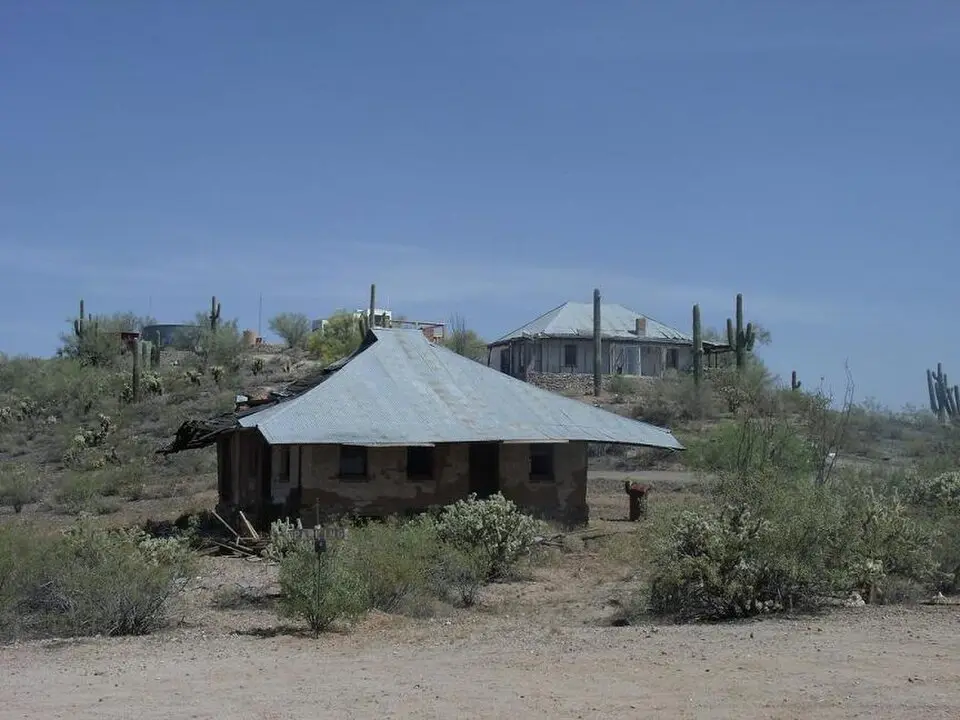
Vulture City is the abandoned town of the Vulture Mine near Wickenburg, Arizona's richest gold mine from the 1860s until 1942.
Documented AccountsOpen to visitorsAlso a ghost town · also reported: smells
Tunnel · OH
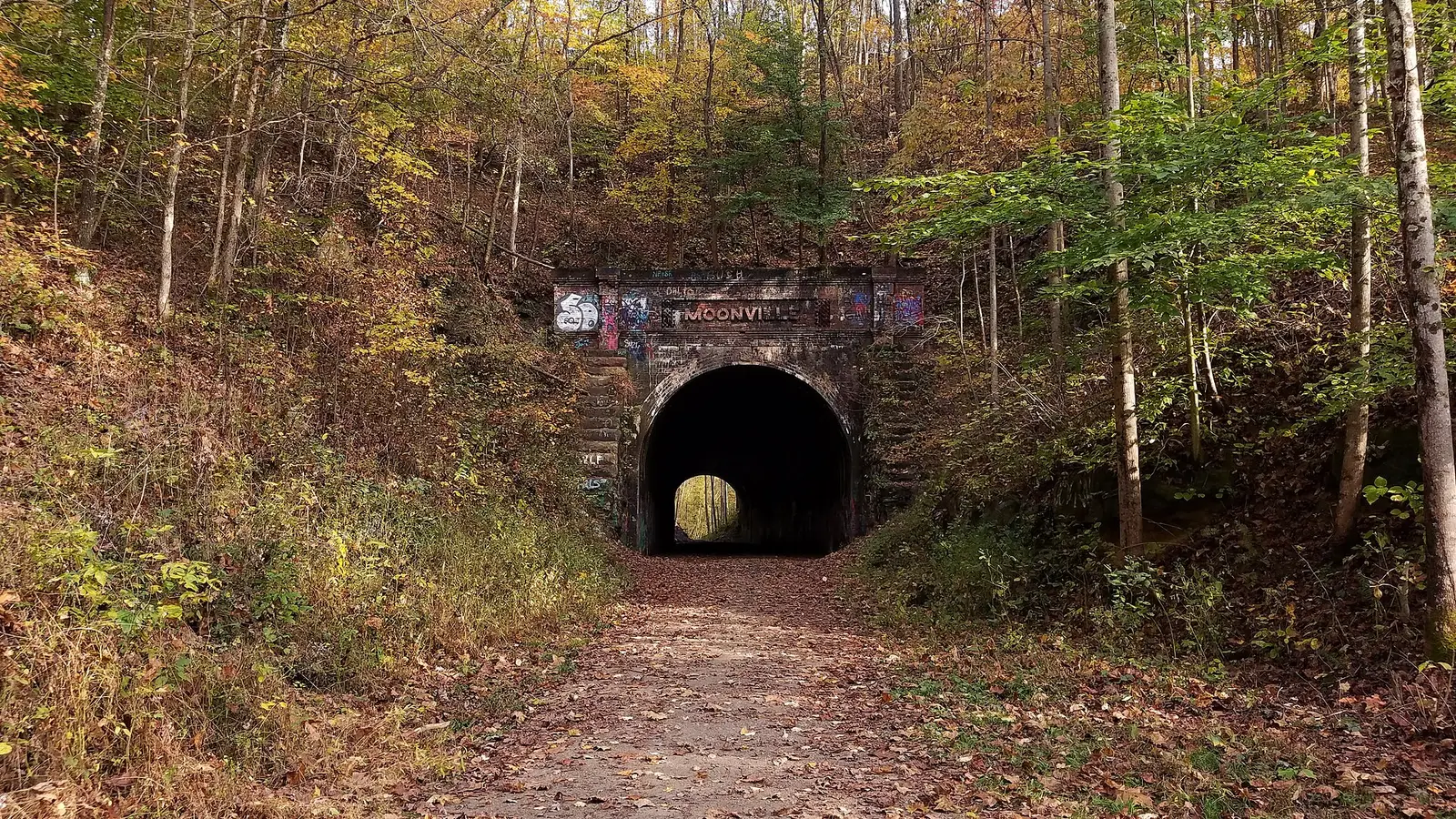
Moonville Tunnel
Moonville Tunnel is an 1850s railroad tunnel in Zaleski State Forest, all that remains with a small cemetery of a vanished coal settlement.
Documented AccountsOutside onlyAlso a museum · also reported: smells, being touched
Prison · Mansfield, OH
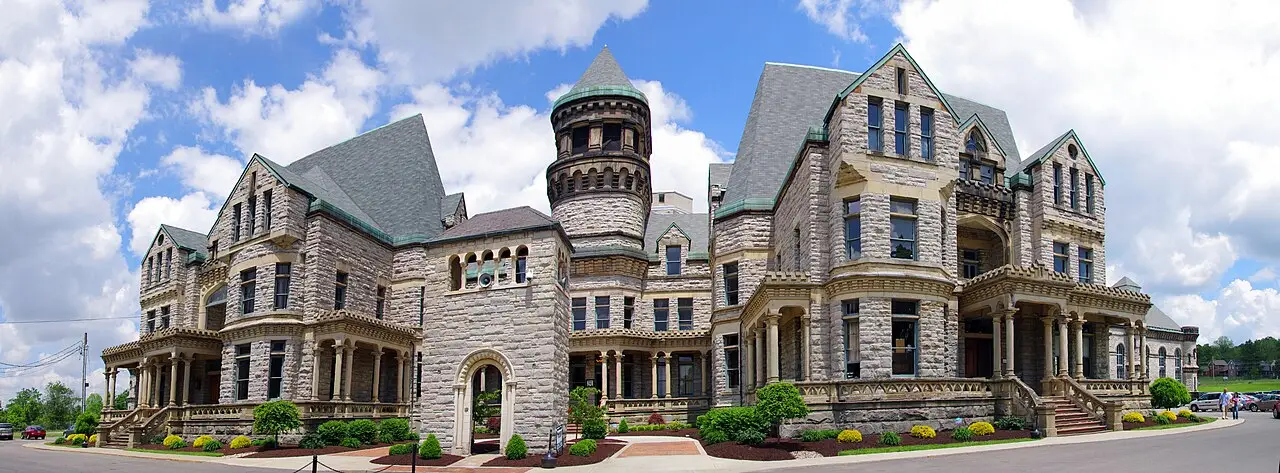
Ohio State Reformatory
The Ohio State Reformatory in Mansfield opened in 1896 and closed in 1990.
Documented AccountsOpen to visitorsAlso a museum · also reported: smells, being touched
Historic house · Denver, CO
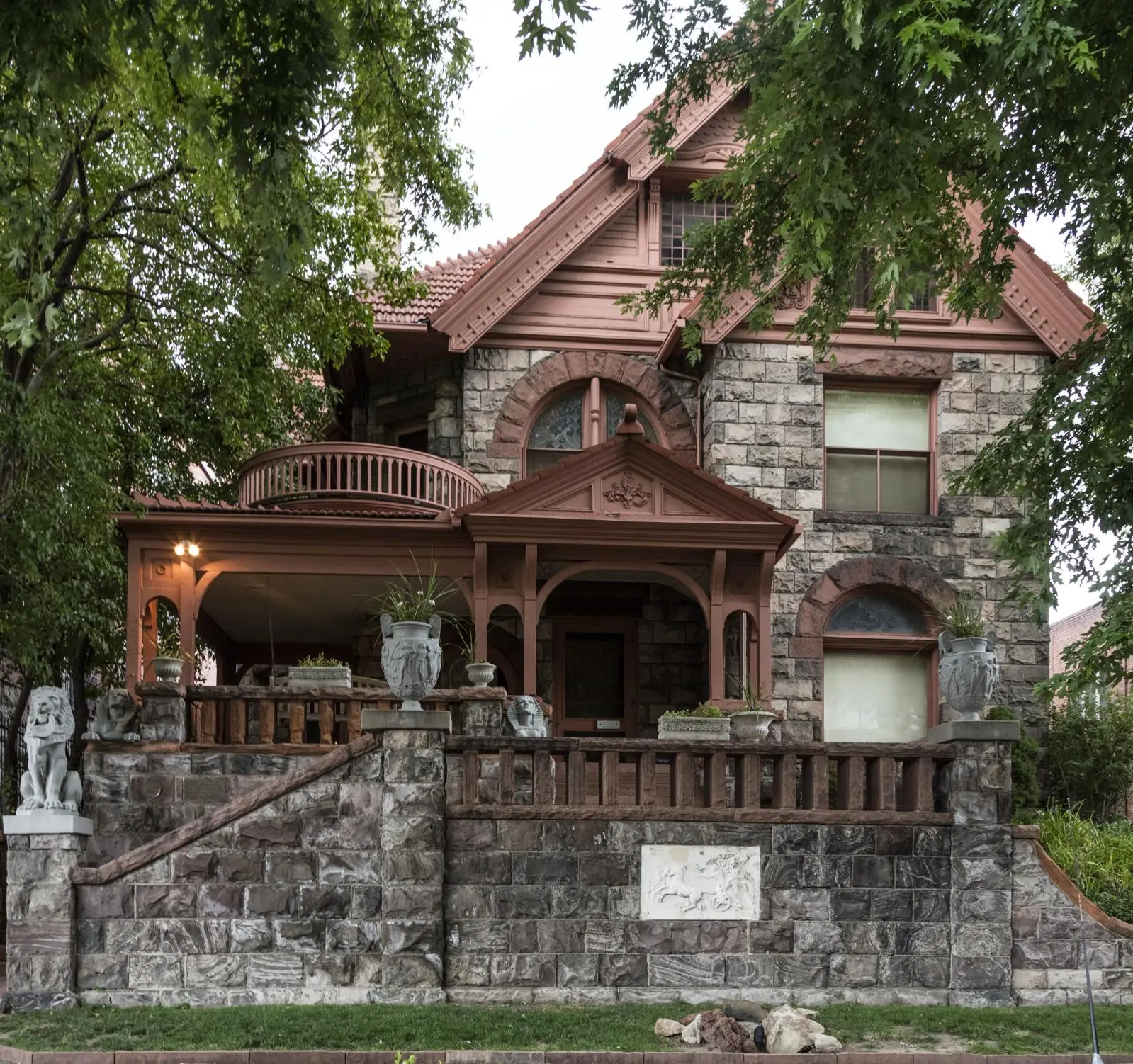
Molly Brown House Museum
The Molly Brown House is the late-1880s Capitol Hill home of Titanic survivor Margaret Brown, now a museum run by Historic Denver.
Documented AccountsOpen to visitors